The crisp November air of 2025 hung over Quebec, but the real excitement wasn’t about the coming winter. Instead, it was the buzz surrounding Fleet Space’s recent announcement. They’d found something big – a lithium deposit, potentially much larger than anyone had anticipated, thanks to a combination of AI and satellite technology.
It’s easy to get lost in the jargon – AI, satellites, exploration. But strip away the tech, and you see a story about potential. About the promise of a resource that could reshape the energy landscape. The discovery, announced on November 25th, suggests that this corner of Quebec might hold a treasure trove of the element essential for batteries that power everything from electric vehicles to smartphones.
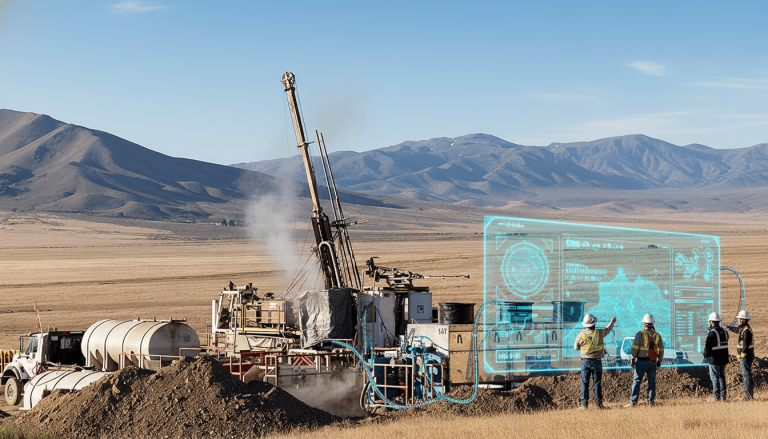
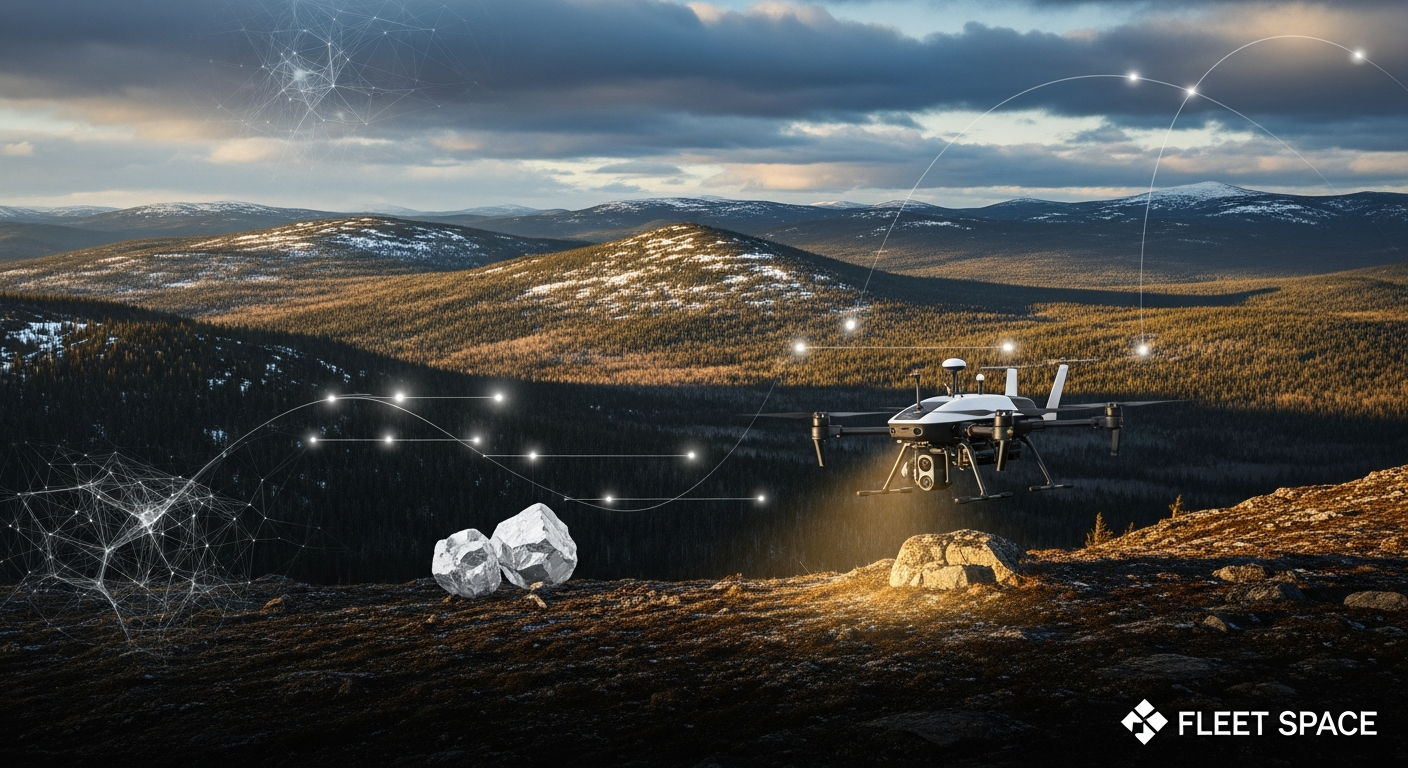
Fleet Space, an Australian company, wasn’t just poking around with traditional methods. They used their ExoSphere technology, a network of sensors deployed across the region, coupled with AI to analyze the data beamed down from satellites. This allowed them to map the subsurface geology with unprecedented accuracy, identifying promising areas for lithium deposits. The implications are significant. More lithium means more batteries, and that means a potential boost for the electric vehicle market and the broader push toward renewable energy.
“We’re incredibly excited about the potential of this discovery,” a Fleet Space spokesperson said in a statement. “Our technology is changing the way we approach resource exploration, and this is just the beginning.”
Quebec, already a player in the mining sector, could be on the cusp of something bigger. The province’s government is likely watching closely, as are investors and other companies eager to get in on the action. The discovery is a reminder of how technology can unlock new possibilities, even in the most established industries. It’s a story about looking up at the sky and seeing not just satellites, but the future itself, hidden beneath the earth.
About the Author