The fluorescent glow of the FreeStyle Libre 3 sensor blinked from the packaging, a stark contrast to the sterile white of the lab bench. It was a Tuesday morning in early October, and the Abbott engineers hunched over the latest thermal tests, their faces illuminated by the harsh overhead lights. The air hung thick with the low hum of diagnostic equipment.
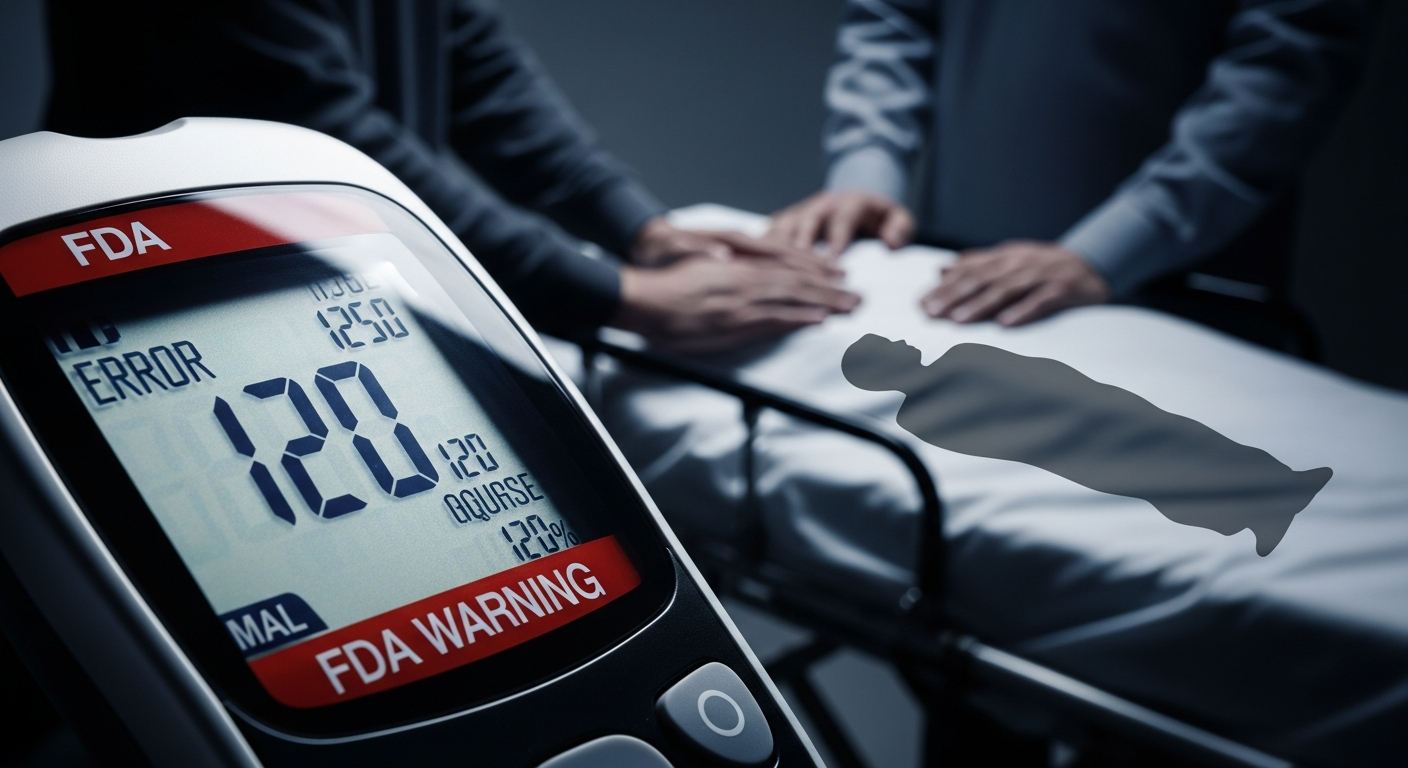
The Food and Drug Administration (FDA) issued a safety warning. Seven deaths and 736 injuries were linked to the FreeStyle Libre 3, the agency confirmed. The issue? Incorrect readings due to a manufacturing defect.
“It’s a black eye,” said Dr. Emily Chen, a healthcare analyst at Leerink Partners. She noted that the recall, which began in late September, could significantly impact Abbott’s market share, especially in a competitive landscape where companies like Dexcom are vying for dominance. The initial reports of inaccurate readings, often underestimating blood glucose levels, prompted immediate concern among users.
The problem stemmed from a flaw in the sensor’s manufacturing. The readings were off. The implications were immediate and potentially fatal for those relying on the device for insulin dosage.
The production ramp-up for the FreeStyle Libre 3 had been aggressive, with Abbott aiming to capture a larger share of the continuous glucose monitoring (CGM) market. The company had projected sales to reach $4 billion by the end of 2024, according to a report from JPMorgan. But now, the manufacturing defect had thrown a wrench into the works.
Inside Abbott’s operations, engineers were scrambling. The manufacturing defect had to be identified and fixed, and fast. Correcting the issue wasn’t just a technical problem; it was a race against time and reputation.
“The speed of the response will be critical,” Chen explained. “The longer this drags out, the more damage it does to Abbott’s brand.” She pointed to the competitive pressure from Dexcom, which had been steadily improving its own CGM technology and gaining market share. Dexcom’s G7, for example, boasted improved accuracy and a smaller form factor.
The conference call with investors was tense. Executives, trying to maintain composure, outlined the steps being taken to address the problem. The mood was somber, punctuated by long pauses and carefully worded statements. The silence on the line was almost deafening.
The FDA’s warning served as a stark reminder of the critical role of accuracy in medical devices. The industry, and Abbott in particular, now faced a period of intense scrutiny, with every reading, every sensor, under the microscope. The cost of failure, measured in both dollars and lives, had never been clearer.
About the Author