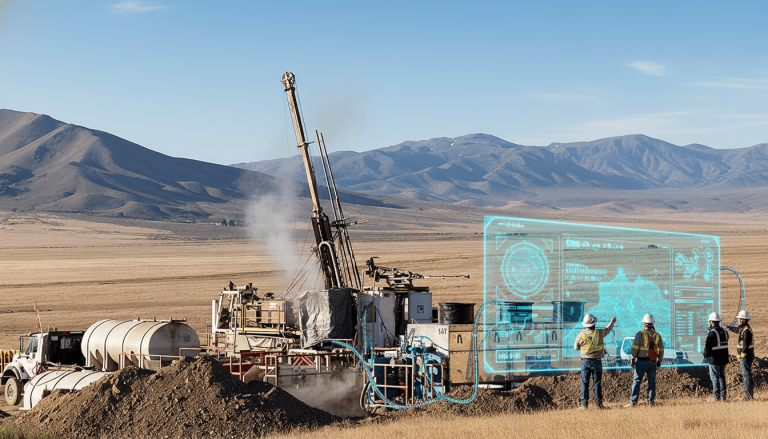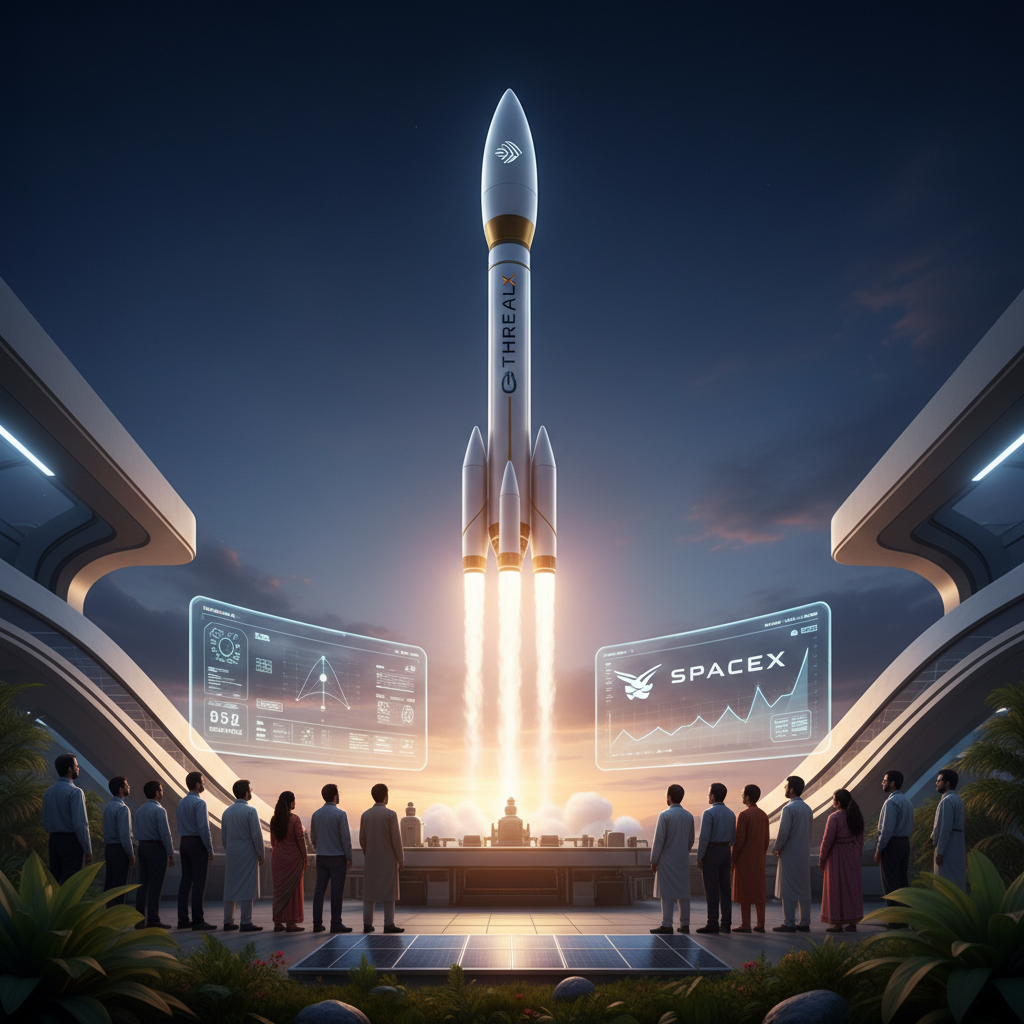
The air in the EtherealX engineering lab crackled with nervous energy. It was December 18, 2025, and the team was huddled around a thermal stress test simulation for their latest rocket design. Their aim: to build a fully reusable launch vehicle, a direct challenge to SpaceX’s Falcon 9, and take a shot at the market. The weight of this ambition felt heavy, even across a video call.
News broke that day: TDK Ventures and Accel were leading a funding round. Analyst reactions were immediate. “This is a bold move, but India’s space program is growing fast, and the government is committed to domestic capabilities,” noted Dr. Priya Sharma, a space industry analyst at the Institute for Strategic Studies. EtherealX’s goal to compete with SpaceX’s Falcon 9 is ambitious, but the market opportunity is undeniable.
The technical challenge is immense. EtherealX aims to achieve full reusability, a feat that requires advanced materials, precision engineering, and robust software. A single launch failure could set the company back months, if not years. The team’s initial projections target a launch capacity of 500 kg to low Earth orbit, with plans to scale up to 1,000 kg within two years. Those numbers, though, are predicated on a smooth supply chain, something that’s always a question mark in the global scramble for advanced components.
The company’s roadmap, as outlined in a leaked internal memo, includes a series of incremental upgrades. The first iteration, slated for launch in late 2027, focuses on a partially reusable design, recovering the first stage. Full reusability, with the entire rocket returning to the launchpad, is targeted for 2029. This is where the real competition with SpaceX begins. The memo also suggests a strategic pivot toward manufacturing in-country, a move that could insulate them from potential export control hurdles.
“The Indian government is keen on fostering a domestic space ecosystem,” Dr. Sharma added, “and companies like EtherealX are well-positioned to benefit from it.” This echoes the sentiment within the company, where executives are reportedly in talks with various government agencies to secure launch contracts and regulatory approvals. The buzz is palpable, from the engineers to the business development team. It’s a race against time and technology.
The success of EtherealX hinges on numerous factors: securing funding, attracting top engineering talent, and navigating the complex regulatory landscape. The launch market is crowded, but India’s focus on domestic manufacturing could become a key differentiator, especially if global supply chains continue to be strained. It’s a calculated risk, a gamble on innovation and the growing potential of the Indian space industry.
About the Author