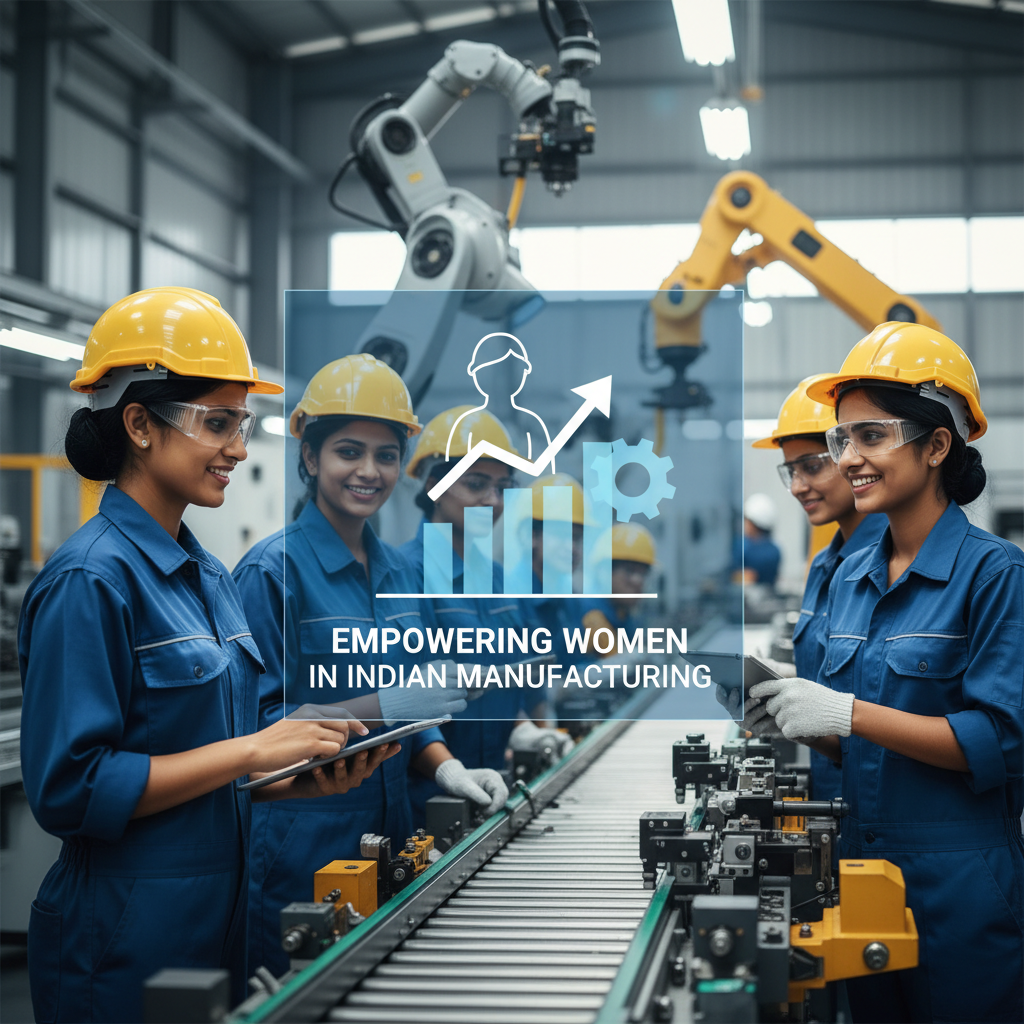
India’s manufacturing sector is crucial for achieving its ambitious $5 trillion economy goal. However, a significant gender disparity persists, with women holding only 35.2% of roles in the sector, according to recent reports. Despite a recent feminisation trend in new job creation, several factors hinder progress. This article explores strategies to empower women in India’s manufacturing workforce, addressing the challenges and opportunities.
Context: The Current Landscape
The underrepresentation of women in India’s manufacturing sector is a multifaceted issue. While there’s a recent trend of increasing female participation in new jobs, the overall numbers highlight a significant gap. Societal norms, safety concerns, and a lack of adequate training opportunities are key contributing factors. Addressing these challenges is not only a matter of social equity but also a strategic imperative for economic growth.
Analysis: Strategies for Empowerment
Several strategies can help bridge the gender gap and empower women in India’s manufacturing workforce:
- Targeted Training Programs: Implement and expand vocational training programs specifically designed for women. These programs should focus on skills relevant to the manufacturing sector, such as engineering, quality control, and operations.
- Addressing Safety Concerns: Prioritize creating safe and secure work environments. This includes providing adequate infrastructure, implementing robust safety protocols, and addressing any potential harassment issues.
- Promoting Supportive Policies: Advocate for policies that support women in the workplace, such as flexible working hours, childcare facilities, and parental leave.
- Challenging Societal Norms: Launch awareness campaigns to challenge traditional gender roles and promote the value of women in manufacturing.
- Mentorship Programs: Establish mentorship programs that connect women with experienced professionals in the manufacturing sector.
Implications: The Path Forward
By implementing these strategies, India can create a more inclusive and productive manufacturing workforce. Empowering women will not only improve gender equality but also drive economic growth and innovation. The recent feminisation trend in job creation indicates a positive shift, but sustained efforts are crucial to achieve meaningful and lasting change. The manufacturing sector in India has the potential to be a global leader, but this potential can only be fully realized by embracing the talent and skills of all its citizens.
Conclusion
Bridging the gender gap in India’s manufacturing sector is essential for achieving economic goals and fostering a more equitable society. By addressing societal norms, safety concerns, and training deficiencies, India can unlock the full potential of its workforce and drive sustainable growth. The strategies outlined above provide a roadmap for empowering women and transforming the manufacturing landscape.
About the Author