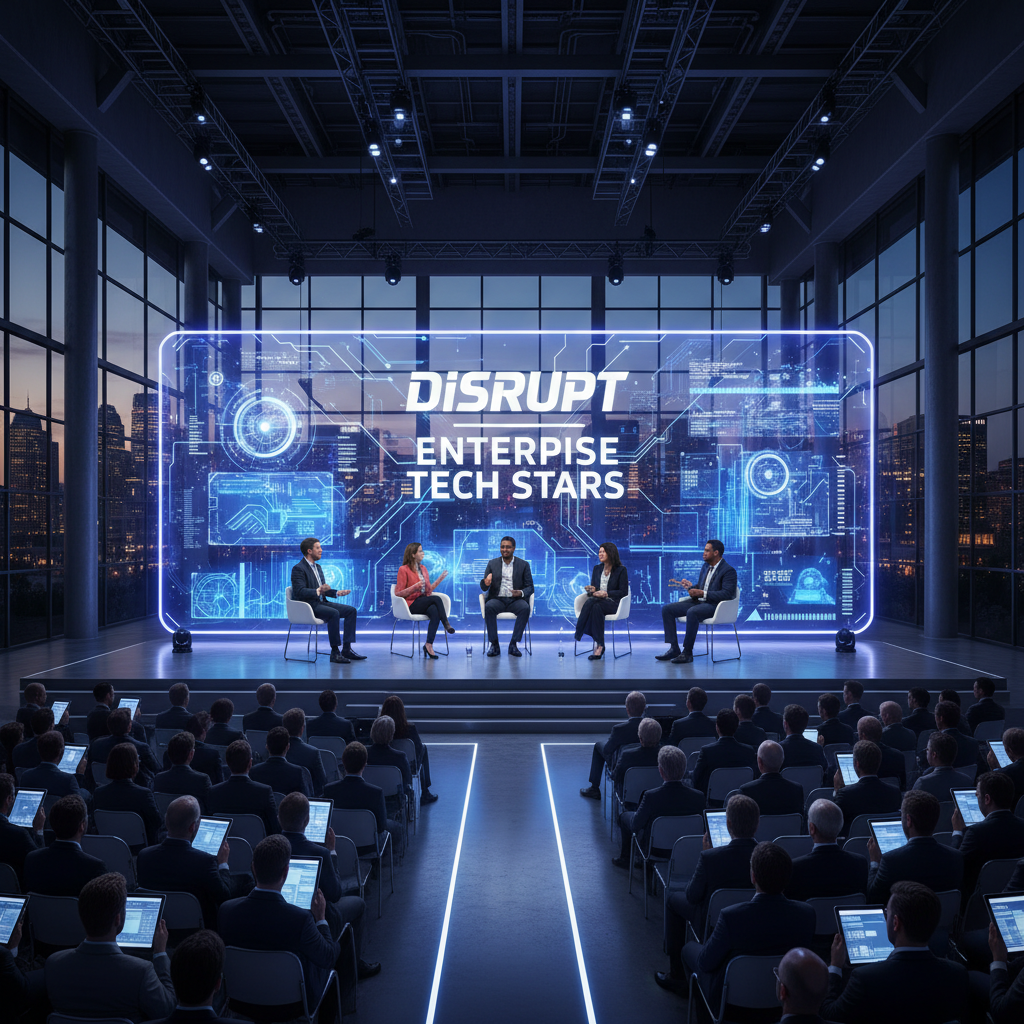
The hum of servers filled the air, a constant thrum at the Disrupt Startup Battlefield. Engineers, heads bent, reviewed thermal tests for the latest AI accelerators. It was December 2025, and the competition highlighted 32 enterprise tech startups, each vying for attention. The air crackled with anticipation, a mix of caffeine and ambition.
One company, DeepSignal, was attracting buzz. Their approach to cybersecurity, leveraging advanced AI to detect and neutralize threats in real time, was, according to a Deutsche Bank analyst, “a game-changer.” The firm’s ability to analyze network traffic at speeds exceeding 100 gigabits per second, coupled with a threat detection accuracy rate of 98%, had caught the eye of several venture capital firms. They are trying to solve the problem of ever-evolving cyberattacks.
Meanwhile, at a different booth, the team from QuantumLeap was demonstrating their quantum computing solutions. They were showing off their new M100 series, a processor designed to handle complex calculations with unprecedented speed. The roadmap included the M300, slated for a 2027 release, promising a tenfold increase in processing power. The challenge, of course, was manufacturing. SMIC, the primary chip supplier, faced ongoing supply constraints, a reality that cast a shadow over projected timelines. Or maybe that’s how the supply shock reads from here.
The selection process for the Startup Battlefield was rigorous. TechCrunch looked for companies with innovative solutions, strong teams, and the potential to disrupt their respective industries. The focus was on enterprise tech, reflecting the growing demand for advanced solutions in areas like cybersecurity, cloud computing, and AI-powered automation.
Another standout was a company called DataFlow, which offered a novel approach to data storage. Their system, built on a distributed architecture, promised to reduce storage costs by up to 40% while improving data access speeds. The company’s CEO, during a packed briefing, emphasized the critical need for efficient data management in an era of explosive data growth. He expected to have over 100 clients by the end of 2026.
The competition underscored a key trend: the convergence of hardware and software. Companies like DeepSignal and QuantumLeap were not just developing software solutions; they were also deeply involved in hardware design, optimizing their products for specific workloads. This vertical integration, analysts noted, was a strategic advantage, especially given the ongoing geopolitical tensions and the US export controls. The policy walls were high.
The energy in the room was palpable. A constant flow of attendees, the clack of keyboards, and the quiet hum of equipment created a unique atmosphere. The 2025 Disrupt Startup Battlefield served not just as a competition but also as a window into the future of enterprise technology. The future is here, it seems.
About the Author