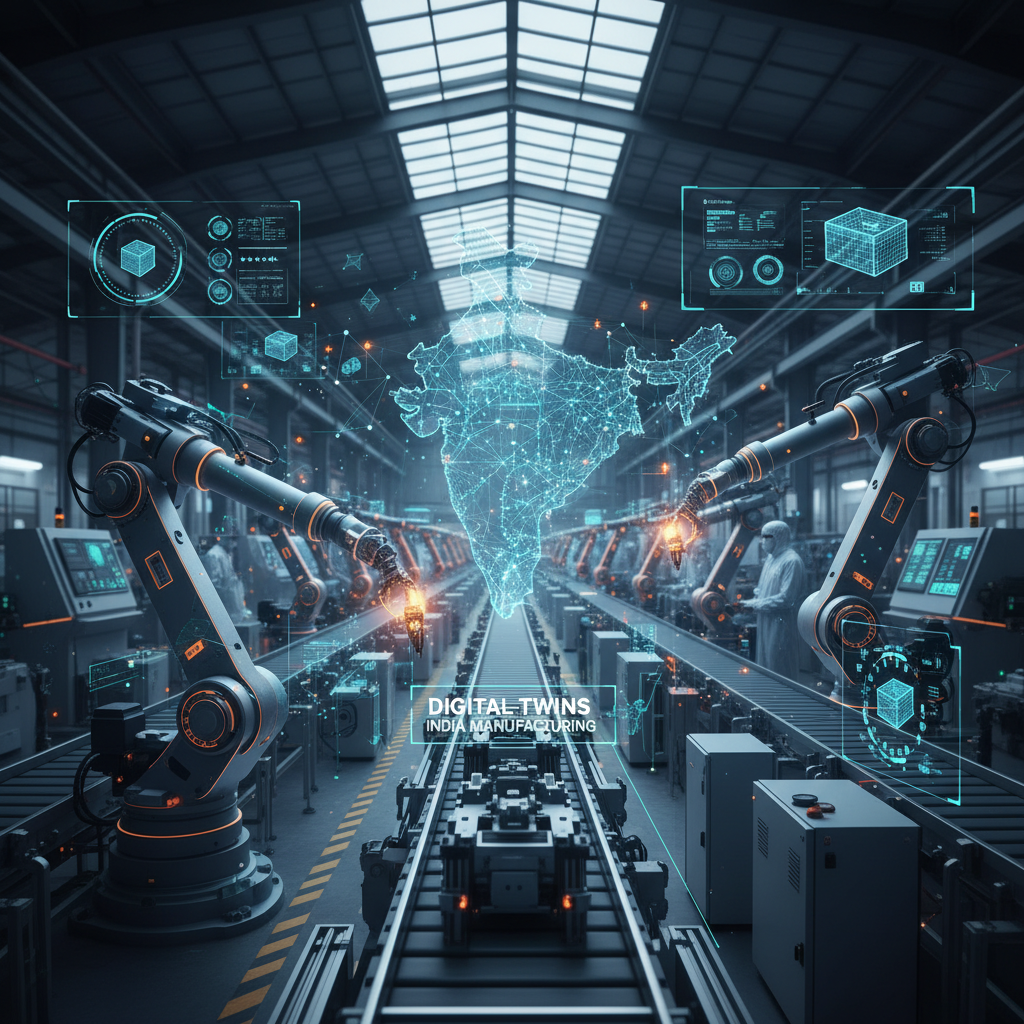
The hum of the server room was a low thrum, barely audible over the engineers’ focused chatter. Screens glowed with intricate 3D models – virtual replicas of MG Motor India’s latest car designs. Here, in the heart of their innovation hub, the comprehensive digital twin was taking shape, promising to redefine how the company designs, tests, and manufactures vehicles.
The concept is straightforward: create a virtual model mirroring every aspect of a physical product or process. It’s like having a digital doppelganger, allowing engineers to simulate performance, identify potential issues, and optimize designs before committing to physical prototypes. This approach is gaining significant traction in India, where manufacturers are facing increasing pressure to improve efficiency and navigate complex supply chains.
“Digital twins are not just a technological upgrade; they’re a fundamental shift in how we approach manufacturing,” explains Dr. Priya Sharma, a senior analyst at the Institute for Manufacturing Excellence. “By simulating real-world conditions, companies can significantly reduce the need for physical prototypes, saving both time and resources.”
MG Motor India is a prime example. The company has integrated digital twins into its product development cycle, allowing engineers to virtually test and refine designs. They can simulate crash tests, analyze thermal performance, and optimize manufacturing processes, all within the digital realm. This has resulted in faster product development cycles and reduced costs, according to company sources. And that’s not all; it also allows for continuous improvement, as data from the manufacturing floor feeds back into the digital twin, informing further optimizations.
The benefits extend beyond product development. Digital twins are also being used to optimize production lines. By creating virtual models of factories, manufacturers can identify bottlenecks, streamline workflows, and improve overall efficiency. This is particularly crucial in a country like India, where manufacturing faces challenges like infrastructure limitations and supply chain disruptions.
Supply chain optimization is another key area. Digital twins can model the flow of materials, predict potential disruptions, and enable proactive adjustments. This is especially critical given the global supply chain complexities. One can see that, especially with the recent geopolitical events, the need to streamline supply chains has become even more important.
However, the transition isn’t without its challenges. Implementing digital twins requires significant investment in software, hardware, and skilled personnel. Data security and integration with existing systems are also crucial considerations. “The initial investment can be substantial, but the long-term benefits in terms of efficiency and cost savings far outweigh the upfront costs,” notes Dr. Sharma.
The move toward digital twins in Indian manufacturing is not just a technological trend; it’s a strategic imperative. As companies seek to enhance competitiveness and navigate the complexities of the global market, the comprehensive digital twin offers a powerful tool for innovation and growth. It’s a sign of a new era, where virtual models are reshaping the physical world of manufacturing, one digital replica at a time.
About the Author