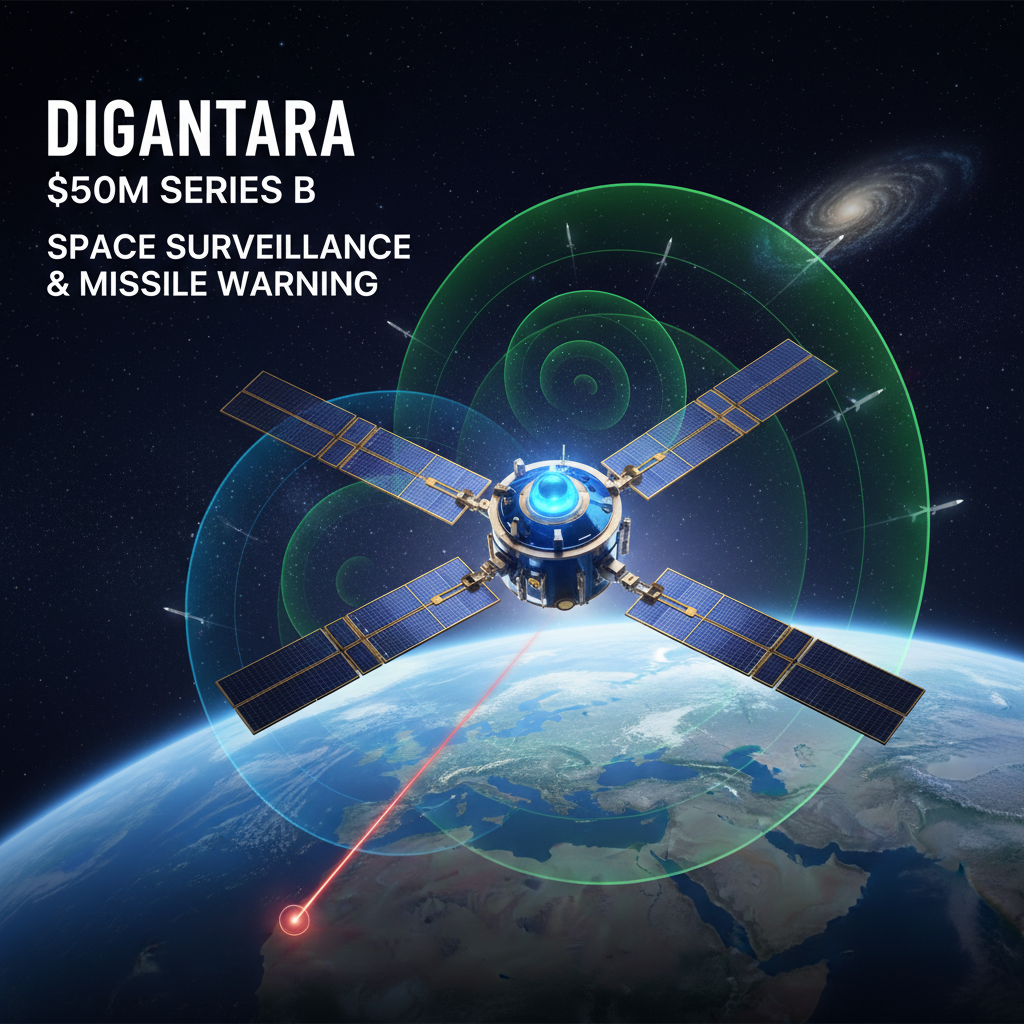
The hum of servers filled the air at Digantara’s Bangalore headquarters. Engineers, hunched over monitors, reviewed telemetry data streaming in from a recent test of their space-based sensor technology. The stakes are high: Digantara is on the cusp of a major expansion, fueled by a recently closed $50 million Series B funding round. The company plans to launch 15 space-based space surveillance satellites and two dedicated missile-warning satellites through 2026–27.
This funding arrives as demand for space situational awareness surges. Governments and private entities alike are scrambling to monitor the increasingly crowded orbital environment, and the need for early warning systems has never been greater. “The market is ripe,” notes Aravind Ravi, lead analyst at Northern Sky Research. “We’re seeing a significant uptick in investment in this area, driven by both commercial opportunities and geopolitical realities.”
Digantara’s approach centers on a multi-layered system. Their satellites will use a combination of optical and radio frequency sensors to track objects in orbit, providing comprehensive coverage. This system will also incorporate advanced algorithms for data processing and threat assessment. The company’s goal is to offer a complete solution, from detection to analysis, and actionable intelligence.
The Series B funding will primarily go towards scaling up their manufacturing capabilities and accelerating the satellite deployment schedule. This is no small feat. Building and launching satellites is a complex undertaking, involving intricate supply chains and stringent regulatory hurdles. “We’re working closely with several partners to ensure timely access to critical components,” says a Digantara spokesperson, referring to the challenges of sourcing components. Export controls and domestic procurement policies add another layer of complexity, particularly in the current geopolitical climate.
The company aims to have all 17 satellites in orbit by the end of 2027, according to their roadmap. This aggressive timeline reflects the urgency of the mission, as well as the competitive landscape. Several other companies are also vying for a share of the space surveillance and missile warning market. The successful launch of these satellites could position Digantara as a key player in the global space security arena, providing a critical service in an era of heightened global tensions.
The race is on.
About the Author