The fluorescent lights of the Diensten Tech engineering lab hummed, reflecting off the rows of servers. It was February 6, 2026, and the team was huddled around a thermal imaging screen, scrutinizing the latest performance tests for the M300 chip. The air hung thick with the scent of soldering and the quiet tension of a team racing against deadlines.
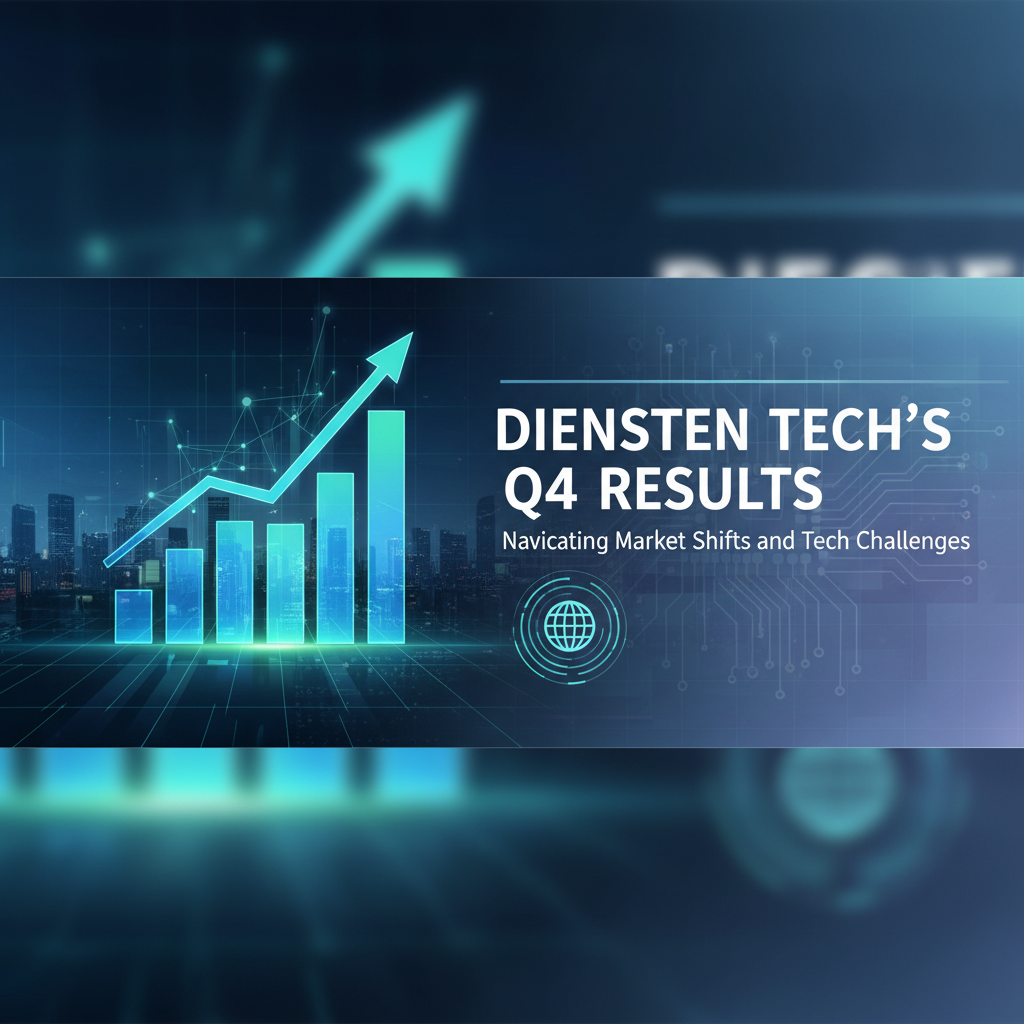
Diensten Tech Limited had just submitted its financial results to the Exchange, detailing the period ending December 31, 2025. The report, as per the filing, showcased the company’s performance. The numbers, however, were only part of the story. The real narrative lay in the intricate dance between market demand, supply chain limitations, and the relentless march of technological advancement.
“We’re seeing strong demand, especially in the domestic market,” said a senior executive during the earnings call, “but the global chip shortage continues to cast a long shadow.” This wasn’t just corporate-speak; it was a pragmatic assessment of a landscape where securing advanced manufacturing capacity was a constant battle. SMIC, the primary foundry for Diensten Tech’s chips, was operating near capacity, and the specter of US export controls loomed large, adding another layer of complexity. TSMC, meanwhile, was out of reach, for now.
Analysts at Deutsche Bank had already adjusted their projections, noting the impact of these constraints. They forecast a 15% growth in revenue for Diensten Tech in 2026, a figure tempered by the realities of supply. The focus for Diensten Tech, according to multiple sources, was shifting towards strategic partnerships and domestic procurement policies, aligning with Beijing’s broader tech self-sufficiency goals. Or maybe that’s how the supply shock reads from here.
The M300, slated for release in late 2026, was the company’s flagship product, a direct competitor to the likes of NVIDIA’s H100. It was designed to handle the growing demands of AI and high-performance computing. The team was wrestling with node limitations, trying to squeeze every last bit of performance out of the chip, all while balancing the realities of power consumption and thermal management. The M100, the predecessor, was already making inroads, but the M300 was the future. The pressure was on.
A short silence on the conference line, followed by a terse question from an analyst about the impact of the latest US export regulations. The executive responded carefully, acknowledging the challenges but reaffirming the company’s commitment to its roadmap. The roadmap was everything.
Beyond the immediate financial outcomes, Diensten Tech’s future hinged on its ability to navigate the complex interplay of technology, policy, and market forces. The engineers in the lab, the executives in the boardroom, and the analysts scrutinizing the numbers – all were part of the same story. A story about building the future, one chip at a time.
About the Author