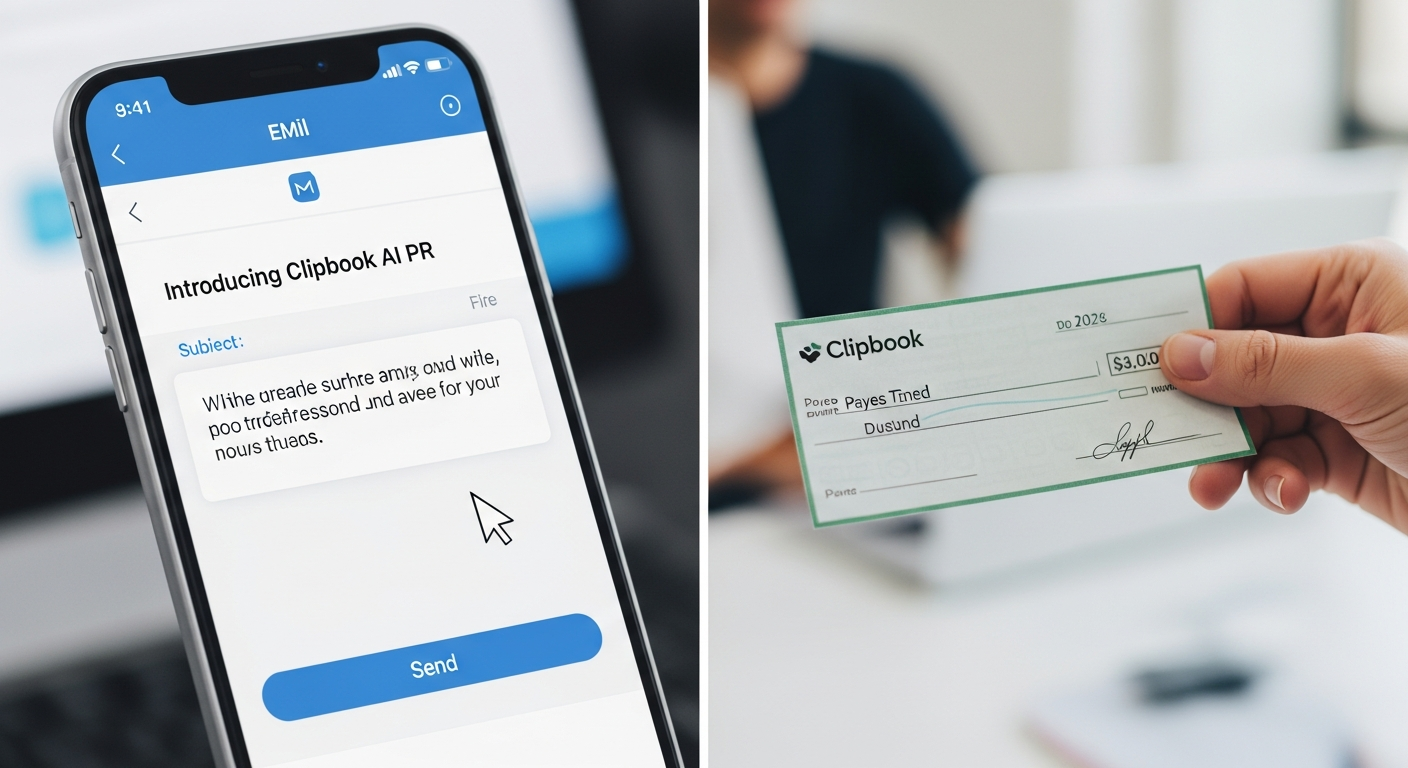
The email landed in Mark Cuban’s inbox on a Tuesday. Adam Joseph, founder of the AI PR startup Clipbook, still remembers the date: December 1st, 2025. He’d crafted the message meticulously, a blend of ambition and a clear articulation of Clipbook’s mission. He wasn’t expecting much.
Then, a reply. Not a form rejection, but a series of questions. Cuban, it turned out, was intrigued. What followed was a whirlwind of calls, due diligence, and ultimately, an investment. This wasn’t just a win for Clipbook; it was a masterclass in how to capture attention in a world saturated with digital noise.
Joseph’s approach was straightforward. He’d identified a gap in the market – the need for AI to streamline PR efforts – and built a product to fill it. Clipbook, according to Joseph, uses AI to help startups get media coverage. But it wasn’t the technology alone that drew Cuban in. It was the clarity of the pitch, the demonstrable value proposition, and the sheer audacity of the cold email itself.
“I was shocked,” Joseph admitted in a recent interview, “to get a response, let alone an inquisition. He asked about everything – the tech, the market, the team. It was intense, but also incredibly validating.”
The speed at which things moved was remarkable. Within weeks, Clipbook had secured funding. While the exact terms weren’t disclosed, the investment was a significant vote of confidence from a well-known investor. Cuban’s involvement signaled that he saw potential in the AI PR space, and in Clipbook’s ability to execute.
The story of Clipbook’s funding isn’t just about a cold email. It’s about a founder who saw an opportunity, built a solution, and then, with a mix of guts and smarts, managed to get it in front of the right person. It’s a reminder that in the world of startups, the most unconventional paths can sometimes lead to the most rewarding destinations.
About the Author