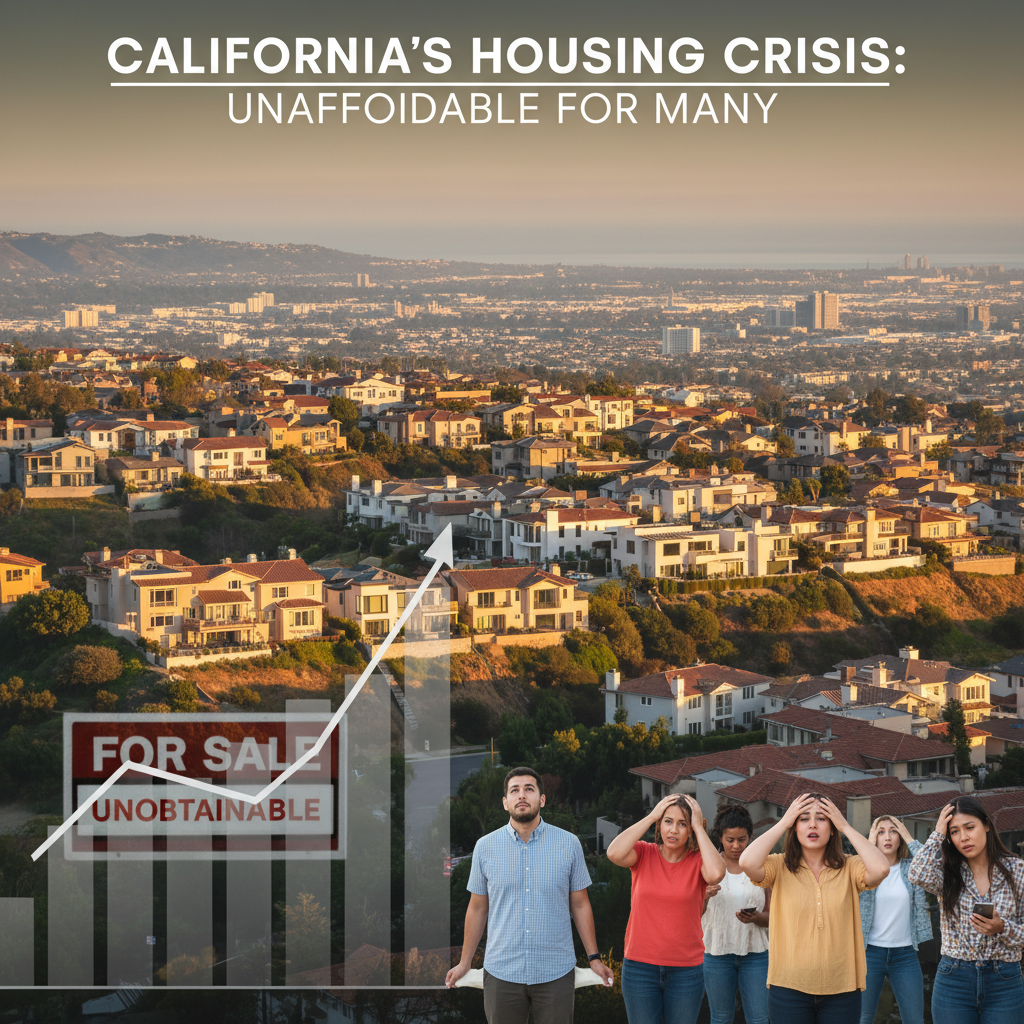
California’s housing market remains a significant challenge for many Americans, with home prices persistently out of reach for a large segment of the population. The ongoing housing crisis, characterized by chronic shortages, continues to make California one of the least affordable states in the nation for prospective homebuyers.
The Core Issue: Chronic Shortages
The primary driver behind California’s unaffordable housing market is the persistent shortage of available homes. This scarcity pushes prices upward, making it difficult for California workers and other Americans to afford housing. The imbalance between supply and demand is a long-standing issue, and it’s a key factor in the market’s current state.
Market Dynamics and Affordability
The high cost of homes in California affects the broader economy, influencing everything from job growth to consumer spending. When housing costs are excessive, individuals and families have less disposable income for other expenses, which can slow economic activity. The state’s housing market’s impact extends well beyond those directly seeking to buy or rent property.
Why This Matters
The situation in California serves as a case study for the wider American housing market. The factors contributing to high home prices in California, such as limited supply and high demand, are present in many other markets across the country. Addressing these issues is crucial for ensuring that housing remains accessible and affordable for a broad range of Americans.
Looking Ahead
As the housing crisis continues, policymakers, developers, and community stakeholders will need to collaborate to find sustainable solutions. Increasing the housing supply, streamlining regulations, and exploring innovative housing models are all potential strategies. The goal is to create a more balanced market where homeownership is a realistic goal for more people.
About the Author