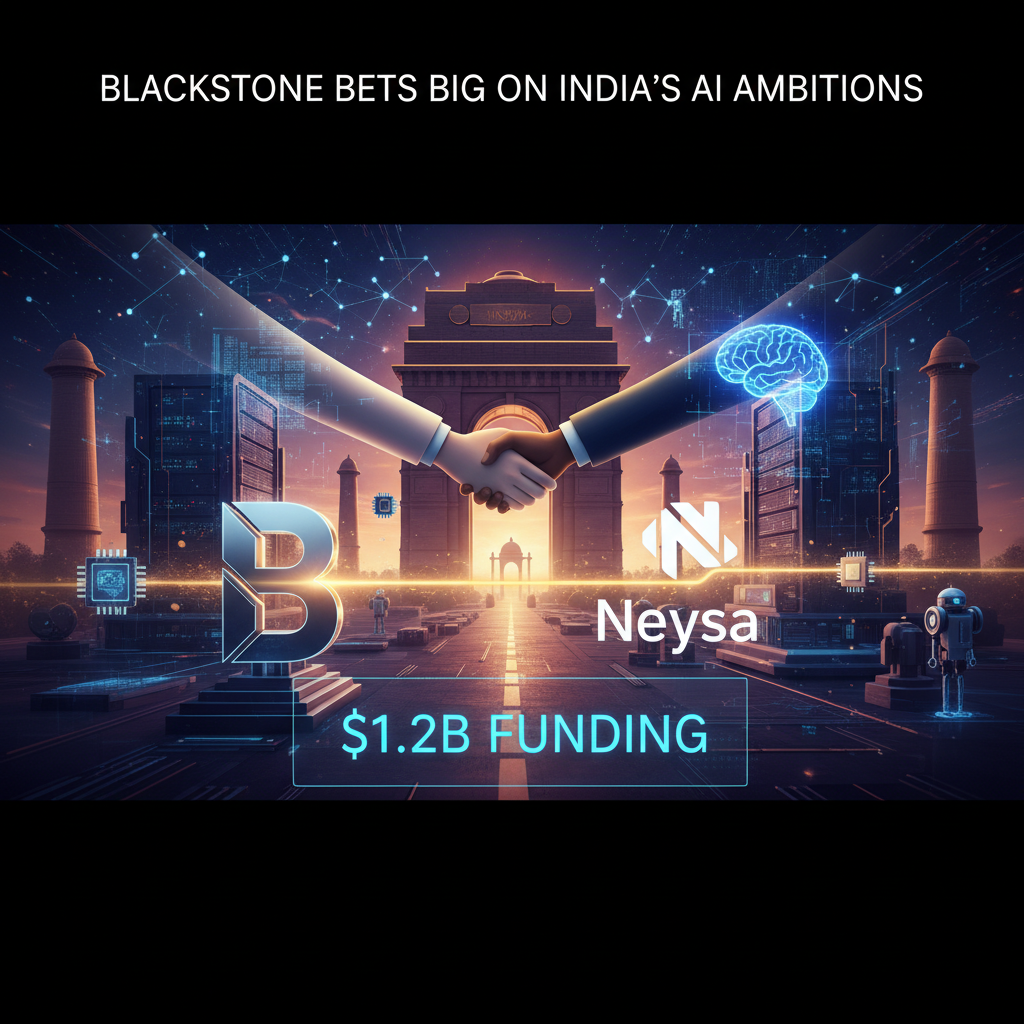
The hum of the servers is a constant thrum, a low-frequency pulse you feel more than hear. Engineers at Neysa, a burgeoning AI infrastructure startup, are reviewing thermal tests for the latest GPU deployments. It’s late February 2026, and the pressure is on. Blackstone has just announced a financing round of up to $1.2 billion, a massive vote of confidence in India’s burgeoning AI ambitions.
The deal, analysts say, reflects a broader trend: the global scramble to build out AI compute capacity. “India is a particularly interesting market,” explains Priya Patel, a senior analyst at Forrester. “You have a massive, rapidly digitizing population, a government eager to foster domestic tech champions, and a growing demand for local AI solutions. It’s a perfect storm.”
Neysa plans to deploy over 20,000 GPUs, a significant undertaking that will require navigating the complexities of global supply chains. The company is likely targeting Nvidia’s H100 or its successor, the H200, but even securing those chips isn’t a given. Export controls and manufacturing bottlenecks, especially in the wake of US restrictions on chip exports to China, add another layer of complexity. The Indian government’s push for domestic procurement and manufacturing, mirroring policies seen in Beijing, could ease some constraints, or maybe that’s how the supply shock reads from here.
The funding will be crucial. These aren’t just commodity servers; they’re the engines of the next generation of AI. Training large language models (LLMs) requires immense computational power, and the inference stage, where the models are put to work, still demands significant resources. The faster the processing, the better the experience, so the race is on. Neysa’s roadmap, insiders say, includes deployments throughout 2026 and into 2027, with the potential for even more aggressive expansion depending on market demand and, of course, chip availability.
The implications are far-reaching. The success of Neysa and similar ventures could reshape India’s tech landscape, creating new opportunities for startups, attracting further investment, and fostering a vibrant ecosystem of AI innovation. However, challenges remain. Besides supply chain woes, there’s the question of talent. Building and maintaining this infrastructure requires skilled engineers, data scientists, and AI specialists. Securing that talent against a global competitive landscape is a hurdle. The industry is watching.
About the Author