The air in the press room felt thick, even for a Tuesday morning. You could practically taste the anticipation. Treasury Secretary Scott Bessent, the man everyone was there to see, had just finished speaking — or, rather, making a prediction. A big one.
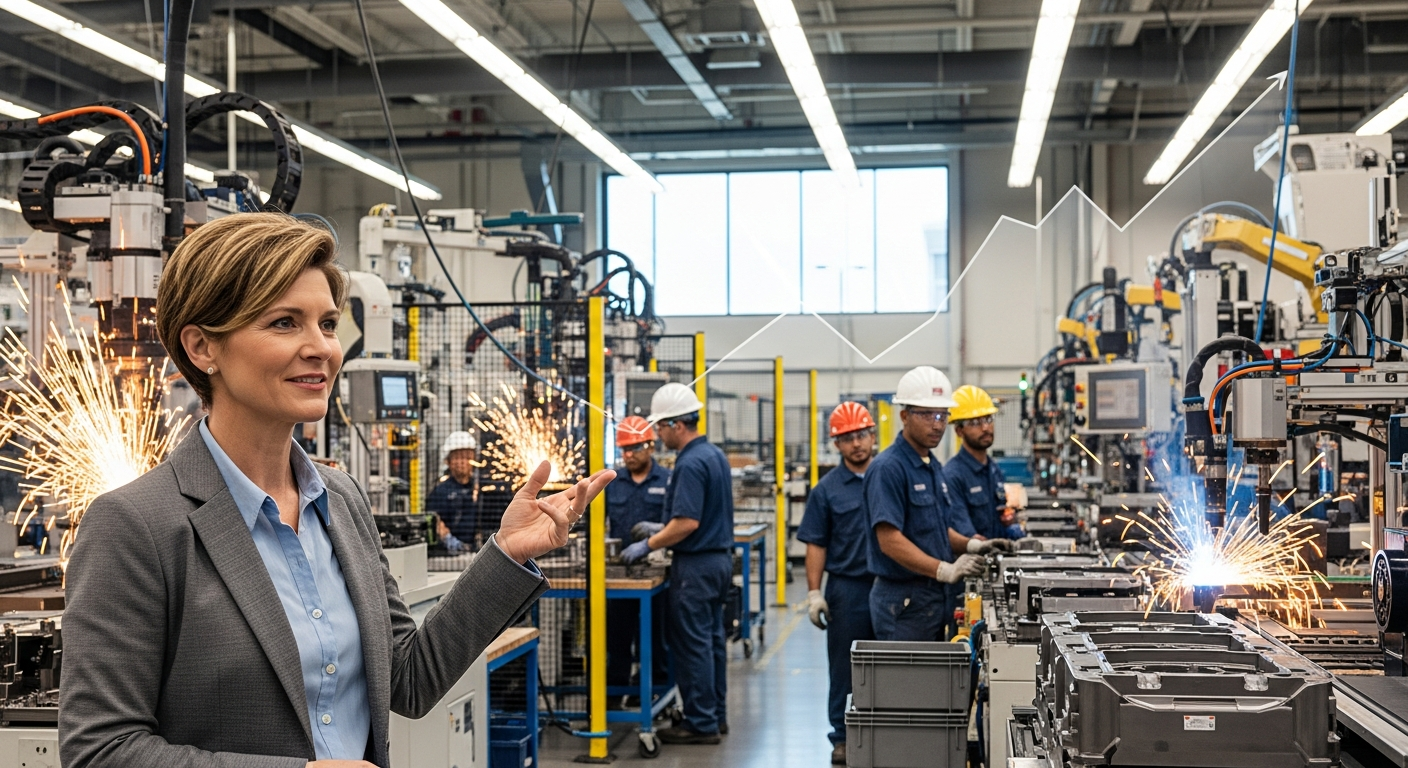
It was all about 2026. That’s the year, Bessent said, that the U.S. economy is going to experience a “blockbuster” performance. He painted a picture of growth, of new jobs, driven by investments in manufacturing. I’m not sure anyone there was surprised, really; the mood has been cautiously optimistic lately. Still, it’s always something to hear it from the top.
The core of his argument, as I understood it, hinged on a surge of new manufacturing investments. These, in turn, would lead to job growth across the country. He didn’t get into the specifics of *where* exactly, but the implication was clear: a broad-based recovery. This was based on a Fox Business report.
Bessent seemed pretty confident. Officials, as per reports, have been signaling a positive outlook for a while, but to hear it so directly… it’s a different experience. He mentioned several key indicators, but honestly, the numbers kind of blurred together. The overall message, though, was clear: things are looking up.
I scribbled down a quote, something about the “multiplier effect” of manufacturing jobs. That means one job creates others, you know? It’s the tricky part, though: actually seeing it happen. The plans are there, the money’s flowing, but the real test is always the execution, and the timing, of course.
He cited specific figures, but I’m not sure I caught them all. The gist was that a few key sectors are poised for significant expansion. The details, or maybe I’m misreading it, were less important than the overall sense of momentum. It felt like he was trying to generate confidence, at least that’s my impression.
The room started to empty. The reporters began to pack up, the air slowly lightening. Another day, another forecast. 2026. We’ll see.
About the Author