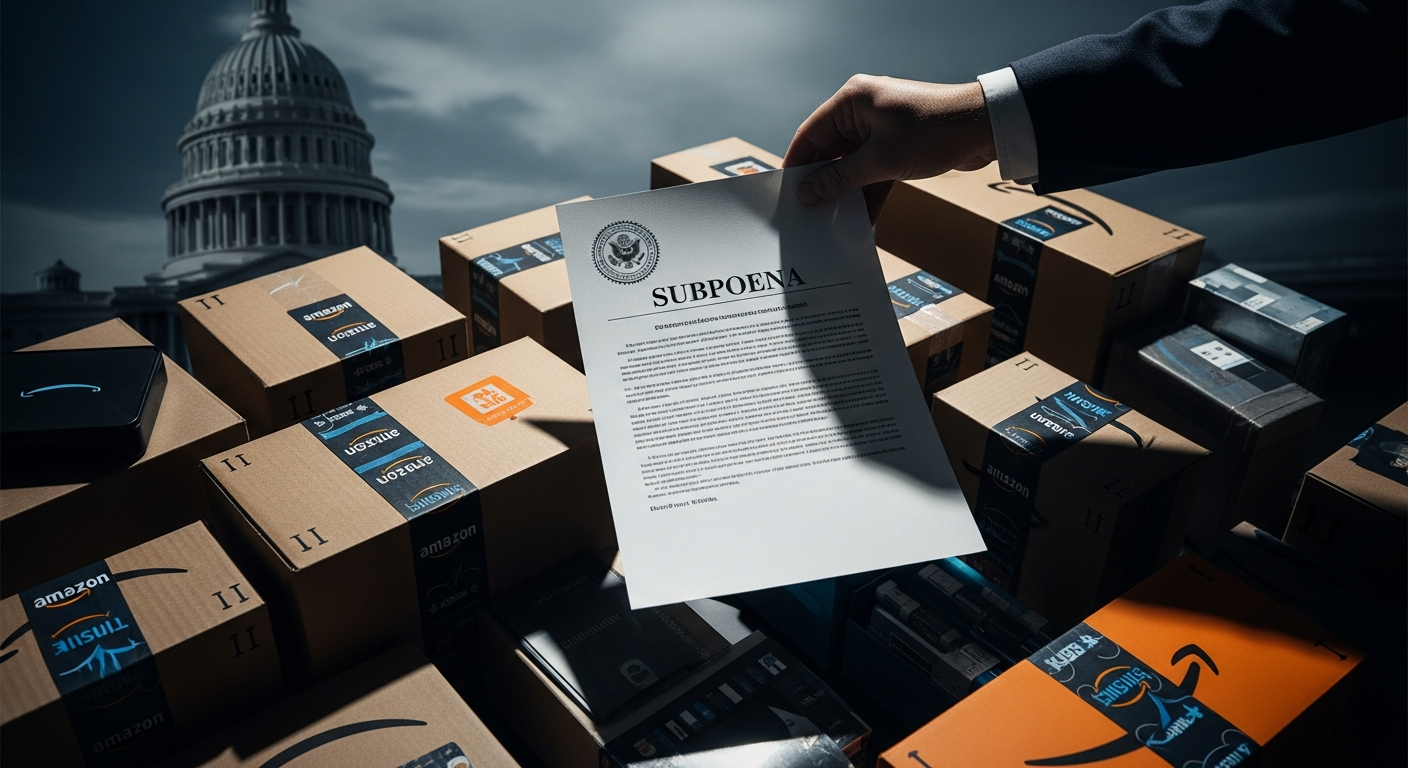
The directive arrived just as the leaves began to turn, a chill wind heralding the coming holiday rush. The House China Committee, a body with a keen eye on the complexities of global trade, has issued a stark demand to Amazon: come clean on the origins of the products you sell. The deadline? December 15th, a date that looms just after the frenzy of Black Friday.
It’s a moment that captures the evolving dynamics of retail, technology, and the markets that bind them. The committee’s request isn’t merely procedural; it’s a pointed query into the heart of Amazon’s sprawling empire. They want to know where things are made, a seemingly simple question that unravels into a tapestry of global supply chains, manufacturing partnerships, and consumer expectations.
The stakes are high. Amazon, a company that has redefined shopping, now finds itself under the microscope. The committee’s scrutiny reflects a broader concern: the lack of transparency in the origins of goods. It’s a concern that resonates with consumers, policymakers, and businesses alike. The question of ‘Made in China?’ isn’t just about labels; it’s about labor practices, environmental standards, and the geopolitical currents that shape our world.
The committee’s move underscores the growing tension between the U.S. and China. As global trade becomes increasingly intertwined, so do the risks and rewards. Amazon, a symbol of American innovation, must navigate this landscape with precision. The company has not yet publicly commented on the committee’s request.
The implications are far-reaching. Retailers, e-commerce platforms, and tech giants are all grappling with similar challenges. The demand for transparency is growing, and businesses must adapt. The House China Committee is sending a clear message: the old rules no longer apply. The call for Amazon to reveal its product origins is not just a request for information; it’s a call for accountability. The world watches to see how Amazon responds, and what the future of global commerce will look like.
About the Author