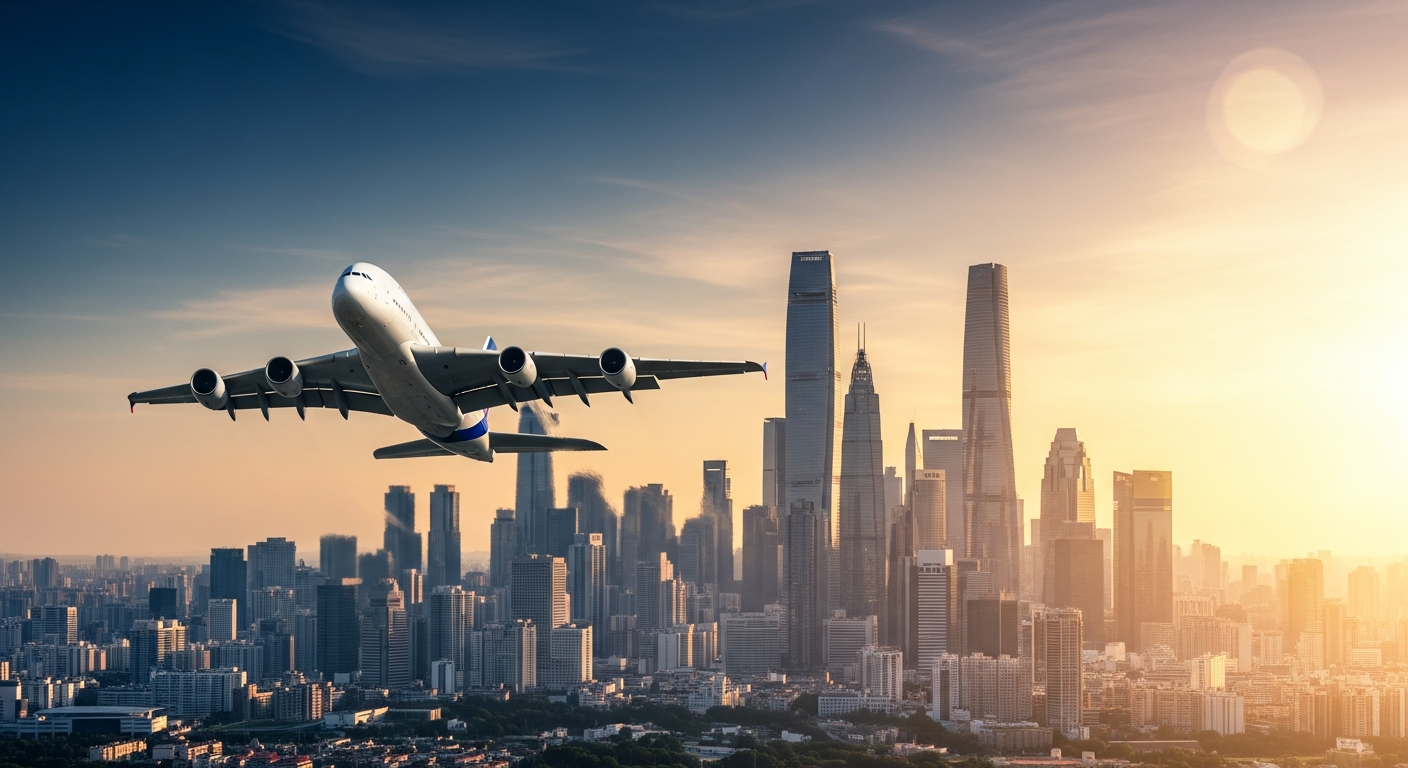
The numbers, they say, tell the story. Airbus, in a recent projection, sees a massive surge in demand within the Asia Pacific region. Nearly 20,000 new planes will be needed over the next two decades. It’s a staggering figure.
This isn’t just about adding more seats, either. Airlines are already expanding their fleets. The goal is to meet the rising passenger numbers, as officials have stated.
The air in the press conference room in Toulouse, France, seemed charged with anticipation. Or maybe it was just the coffee. Either way, the forecast itself is a weighty thing — a projection of growth, yes, but also of infrastructural shifts. The need for so many planes means airports will need to expand. The logistics are mind-boggling, really.
The report, released just this week, highlights the environmental angle too. Replacing older models with newer, more fuel-efficient aircraft is part of the plan. It’s a move toward sustainability, or at least, that’s how it’s being framed. Airbus is betting big, of course, on this future.
Airlines, they’re preparing. The expansion isn’t just about adding more flights. It’s about a fundamental shift in how people move. The projection covers a period of twenty years. That’s a long view, a generational one, really.
The implications are far-reaching. From manufacturing to maintenance, the entire industry is poised for change. What does this mean for the workers? For the environment? Those are the questions, I think, that linger. The details are still emerging, but the picture is becoming clearer.
As one industry analyst noted, “This level of growth underscores the dynamism of the Asia Pacific market.” Or maybe I’m misremembering the quote, but the gist is there.
Still, the numbers are impressive, and the future is, undeniably, up in the air.
About the Author