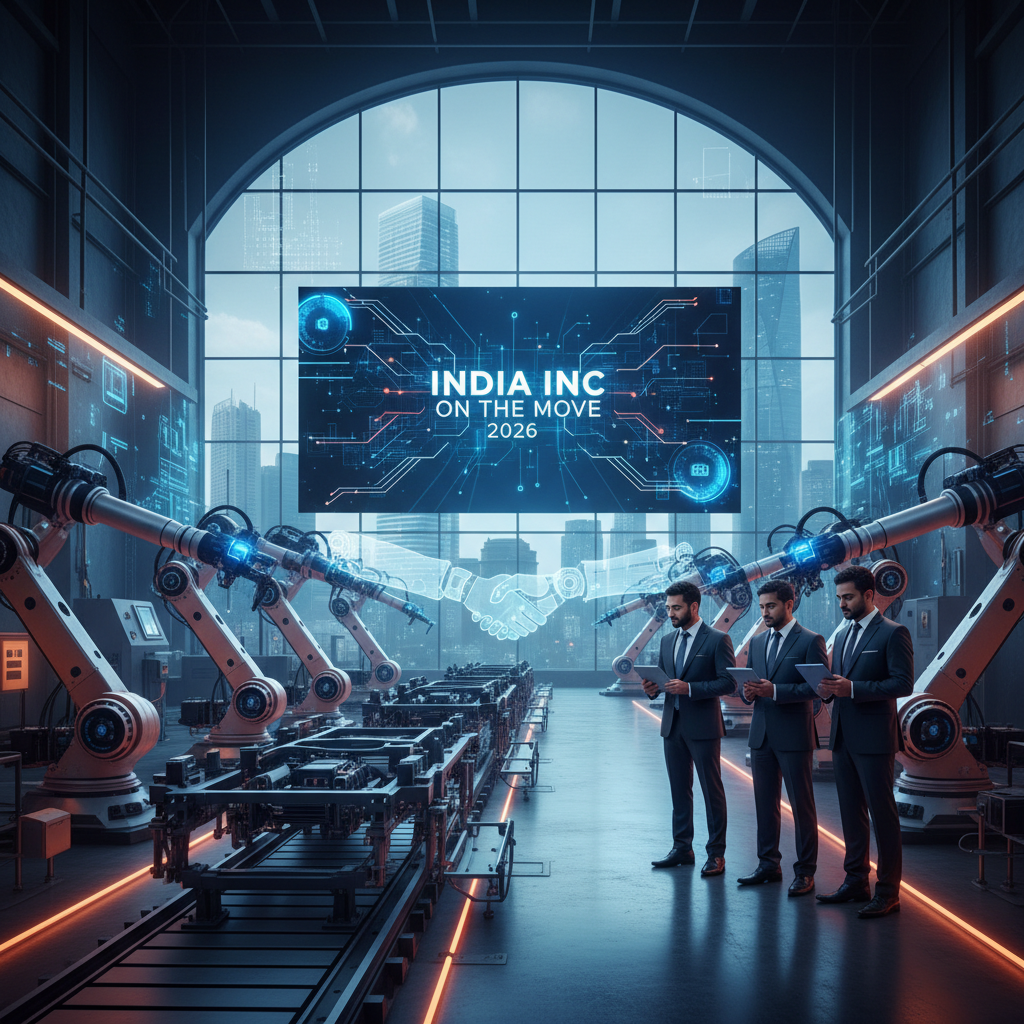
The hum of servers fills the air, a low thrum that vibrates through the floor of the Godrej Industries data center in Mumbai. Engineers huddle around monitors, their faces illuminated by the glow of thermal imaging, scrutinizing the performance of a new AI-powered production line. It’s late 2025, and the pressure is on. The seventh edition of “India Inc On The Move 2026” has just kicked off, and the focus is squarely on AI-driven manufacturing.
Launched by Rockwell Automation and The Economic Times, the event brings together industry leaders to discuss how technologies like virtual twins, AI, and data are reshaping manufacturing. The shift is palpable, moving away from pilot projects to tangible real-world impact. “We’re seeing a significant uptick in digital adoption,” says a KPMG analyst, speaking at the event, “especially in areas like predictive maintenance and quality control.”
The core of the transformation is the integration of AI. Companies are leveraging machine learning models to optimize everything from supply chains to factory floor operations. For instance, Godrej Industries is implementing AI to reduce downtime by as much as 15% across its various manufacturing units, as per internal projections. This involves analyzing real-time data from sensors embedded in machinery, identifying potential failures before they occur, and proactively scheduling maintenance.
The conference buzzes with discussions around the challenges and opportunities. One major topic is the need for skilled workers. The rapid pace of technological advancement requires a workforce that is well-versed in AI, data analytics, and automation technologies. Another is the cost of implementation. While the benefits are clear, the initial investment in infrastructure, software, and training can be substantial. Still, the rewards are too significant to ignore, especially with the potential to improve competitiveness in the global market.
The Indian government’s push for “Make in India” also plays a crucial role. Domestic procurement policies and export controls are creating a favorable environment for local manufacturers. The goal is to transform India into a global manufacturing hub, and AI is seen as a key enabler. This ambition is further fueled by the desire to reduce reliance on imports and boost domestic production capabilities. As one executive from IndianOil Adani Ventures noted, “The goal is clear: increase efficiency, reduce costs, and enhance the quality of our products.”
The scene shifts to a panel discussion. Representatives from Rockwell Automation, Godrej Industries, and others discuss the practical implications of AI implementation. The focus is not just on the technology itself, but also on how to integrate it into existing systems. The discussion highlights the need for a phased approach, starting with pilot projects and gradually expanding to full-scale deployment. The key is to demonstrate the value of AI in a way that is easily understood by all stakeholders.
The atmosphere is charged with a sense of urgency and opportunity. The digital transformation is happening now, with companies that embrace AI and data analytics poised to lead the way. The future, as seen from the conference floor, is one of smarter factories, more efficient processes, and a globally competitive Indian manufacturing sector. It’s a race against time, with the finish line set for 2026, and the stakes could not be higher.
About the Author