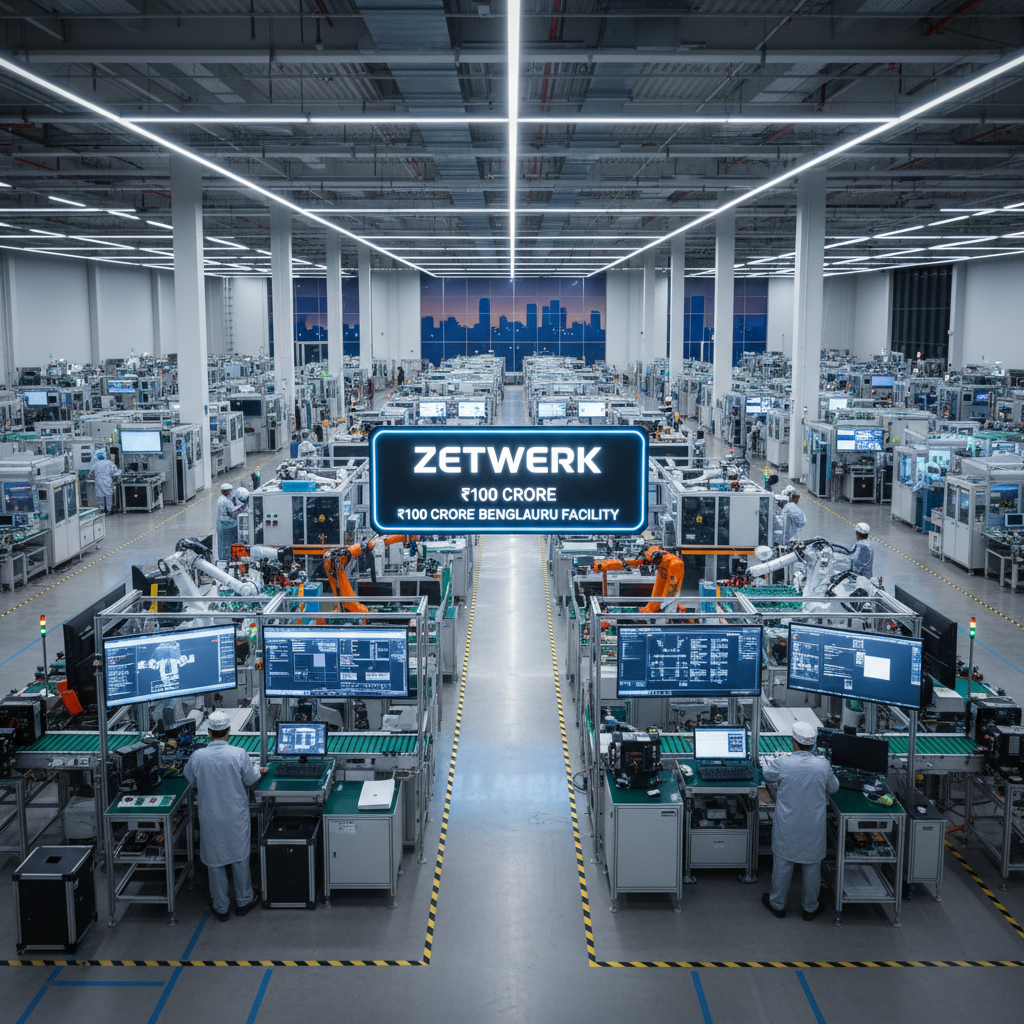
The air in the Bengaluru facility hums with the low thrum of machinery, a symphony of precision engineering. Engineers, heads bent over schematics, pore over the intricacies of circuit boards destined for the aerospace sector. This isn’t just another factory; it’s Zetwerk Electronics’ ₹100-crore bet on India’s future in advanced manufacturing.
The inauguration, graced by the presence of Ashwini Vaishnaw, signals more than just a ribbon-cutting. It’s a strategic move into the high-end electronics market, targeting the defense, aerospace, and automotive sectors. This is a significant shift, representing a commitment to domestic manufacturing and reducing reliance on imports, a priority underscored by recent policy initiatives. The facility’s focus on these critical sectors suggests a keen awareness of the evolving geopolitical landscape and the strategic importance of self-reliance in key technologies.
Zetwerk’s entry into this space is timely. Analysts at TrendForce predict a surge in demand for advanced electronics, with the global market for aerospace components alone expected to reach $400 billion by 2027. This growth is fueled by increasing investments in defense, space exploration, and the rapid adoption of electric vehicles. The new Bengaluru facility is poised to capitalize on this trend, providing critical components and systems.
“This facility is a testament to our commitment to ‘Make in India’,” said a Zetwerk spokesperson. “We are investing in cutting-edge technology and skilled workforce to meet the growing demands of our customers.” The facility’s capabilities include surface-mount technology (SMT) lines, automated optical inspection (AOI) systems, and environmental testing chambers. These advanced technologies are crucial for manufacturing high-reliability electronics that can withstand the harsh conditions of aerospace and defense applications.
The move also addresses the ongoing challenges in the global supply chain. Recent disruptions, exacerbated by geopolitical tensions and export controls, have highlighted the need for localized manufacturing. By establishing a facility in India, Zetwerk aims to mitigate these risks and ensure a stable supply of critical components. The company is likely to face competition from established players like Bharat Electronics Limited (BEL) and Tata Advanced Systems Limited (TASL), but its focus on advanced manufacturing and its ability to offer end-to-end solutions could give it an edge.
The new facility is not just about producing components; it’s about building an ecosystem. Zetwerk plans to collaborate with local suppliers and research institutions to foster innovation and develop a skilled workforce. This approach aligns with the government’s vision of creating a robust manufacturing ecosystem that can support India’s long-term growth. It’s a complex undertaking, but the potential rewards – a stronger domestic manufacturing base, reduced import dependency, and a boost to India’s technological prowess – are substantial.
This is a bet on the future, one that could pay off handsomely, or maybe that’s how the supply shock reads from here.
About the Author