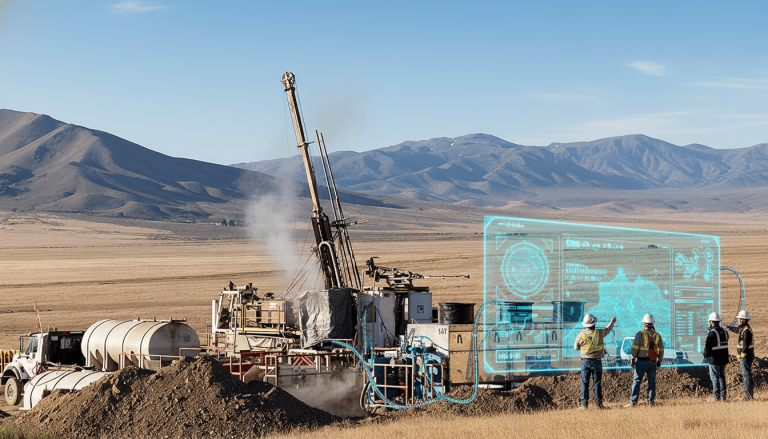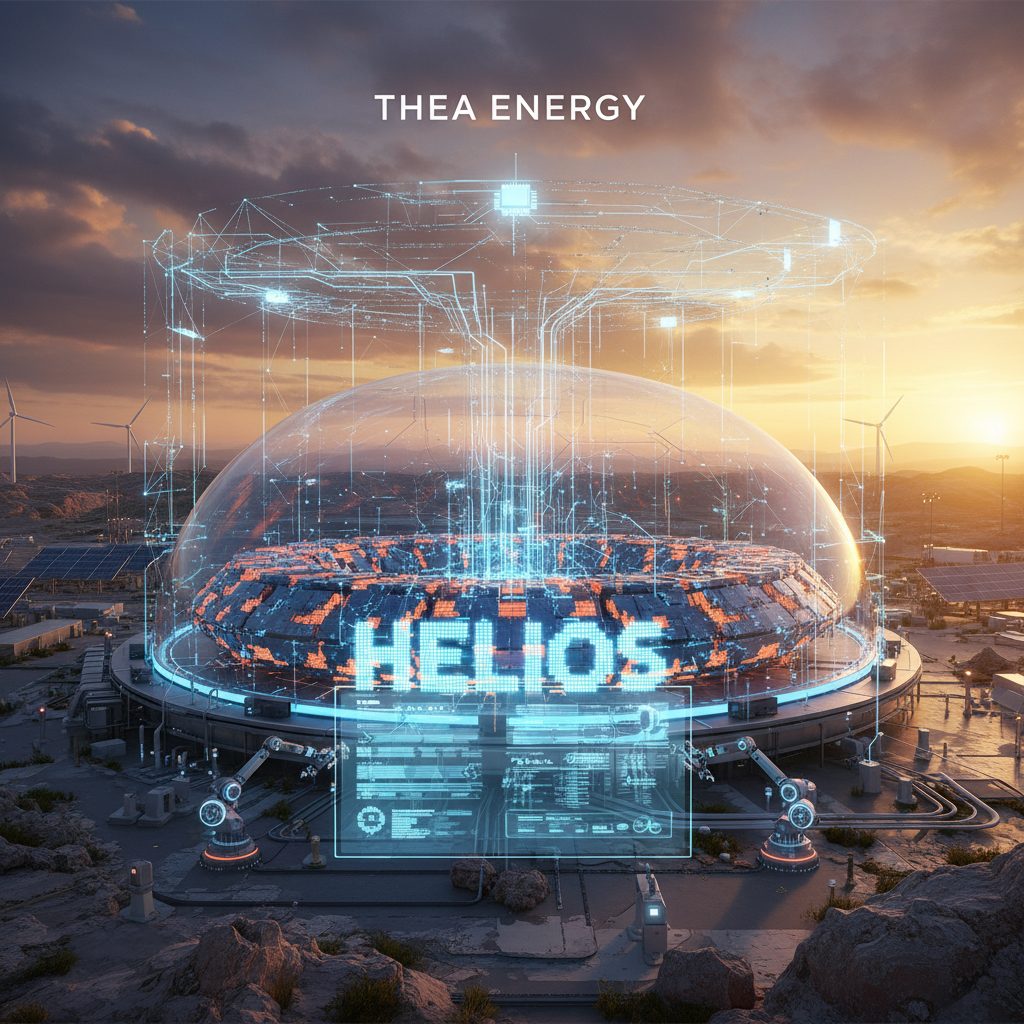
The hum of the cooling system filled the room as engineers at Thea Energy huddled around a holographic projection. It was early December 2025, and the team was deep in the final simulations for Helios, the company’s planar-coil fusion power plant. The design, inspired by the way pixels form images, aimed to simplify the complex process of containing plasma, the superheated matter needed for fusion. The goal? To make fusion energy not just a scientific breakthrough, but a commercially viable power source.
“The beauty of this design is its modularity,” said Dr. Anya Sharma, lead engineer on the project, pointing to a section of the holographic display. “Each ‘pixel’ represents a self-contained coil, allowing for easier scaling and maintenance.” The core innovation, however, lay in the AI-powered control software. This system, trained on vast datasets of plasma behavior, dynamically adjusts the magnetic fields within the reactor. This AI is the key to optimizing energy output and, crucially, reducing costs.
The company’s press release stated that the AI would make the plant cheaper and easier to build. According to a recent report from Deutsche Bank, the cost of building fusion plants could be reduced by as much as 30% with AI-driven control systems, and the construction time could be shortened. This is crucial for the industry’s prospects. The report also projects that the fusion energy market could reach $10 billion by 2035, with early adopters like Thea Energy positioned to capture a significant share.
The implications are substantial. If Thea Energy can deliver on its promises, it could disrupt the energy landscape. The planar-coil design, coupled with the AI control software, might offer a quicker path to commercial fusion than other approaches. Some analysts are skeptical, citing the complexities of plasma physics and the historical challenges of fusion research, but the potential rewards are immense.
During a conference call, the CEO of Thea Energy, Mark Olsen, emphasized that the company is on track to begin constructing a pilot plant in 2027. The pilot plant’s initial capacity will be 50 MW, with plans to scale up to 500 MW by 2030, according to the company’s roadmap. The manufacturing of the specialized coils, however, could be a bottleneck. The company is reportedly in talks with several manufacturers, including some in the US, to secure a reliable supply chain. This is a critical factor, given the current export controls on advanced materials. That is, the success or failure of Helios may come down to supply chains.
The success of Helios, or maybe that’s how the supply shock reads from here, hinges on a complex interplay of technological innovation, manufacturing capability, and strategic partnerships. The next few years will be crucial in determining whether Thea Energy can turn its pixel-inspired vision into a reality, and whether AI can truly unlock the promise of fusion energy.
About the Author