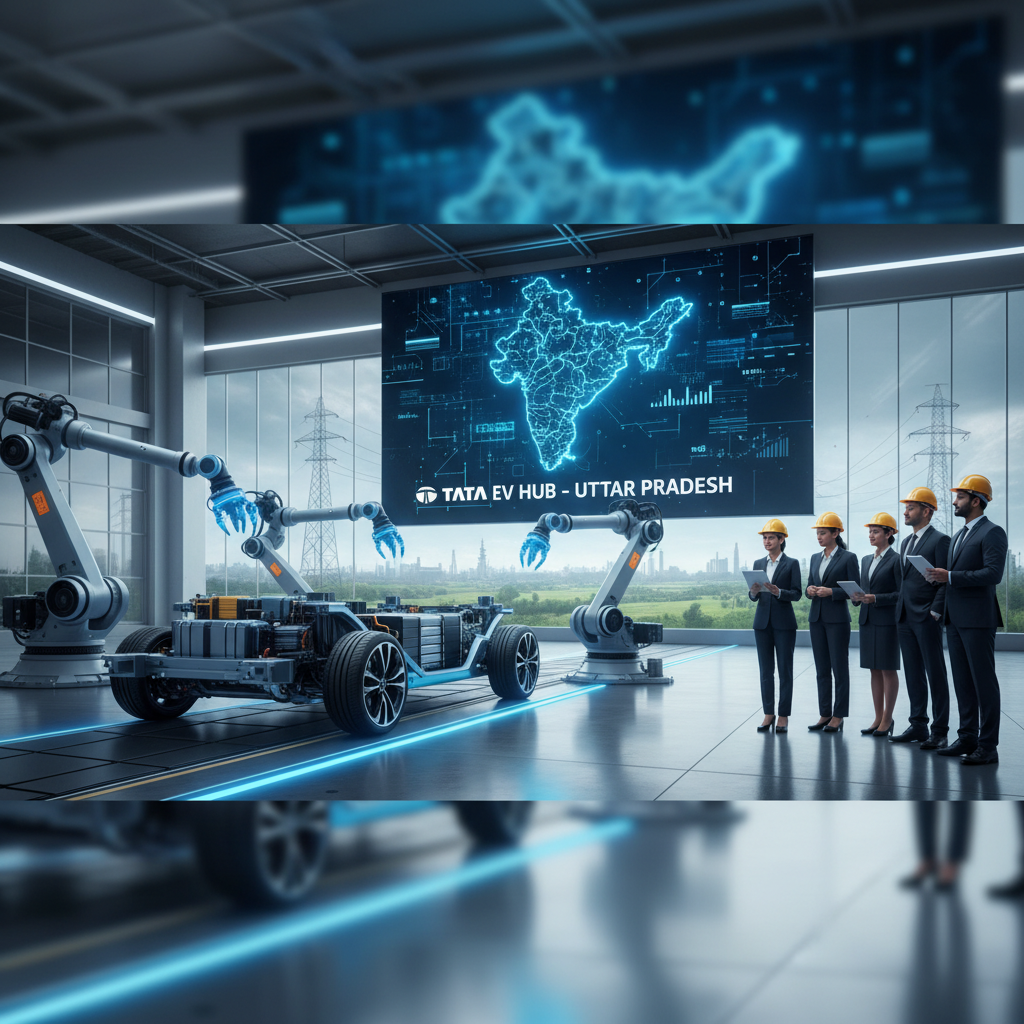
The hum of machinery, a low thrum that vibrates through the floor of the Tata Motors plant, is almost a constant. Engineers in Uttar Pradesh, poring over schematics, are already anticipating the next phase. Electric mobility, they know, is the future, and Uttar Pradesh is positioning itself to be a key player. The recent discussions within the Tata Group reflect this reality, with plans afoot to significantly expand its vehicle manufacturing presence in the state. This move is directly in line with Uttar Pradesh’s Electric Vehicle (EV) subsidy policy, a strategic alignment that promises to reshape the automotive landscape.
“It’s not just about building cars; it’s about building an ecosystem,” explains a senior analyst at JM Financial, who wishes to remain anonymous. This ecosystem includes everything from battery production to charging infrastructure, a holistic approach that Tata seems keen to embrace. The discussions touched upon various aspects of the expansion, with electric mobility taking center stage. The group’s interest in Uttar Pradesh is a clear signal of its commitment to the EV revolution. The state’s EV subsidy policy, offering incentives to manufacturers and consumers alike, makes it an attractive destination for investment. This policy includes benefits like subsidies on the purchase of EVs, exemption from road tax and registration fees, and support for setting up charging infrastructure.
The implications are far-reaching. Tata Sons’ move could trigger a ripple effect, encouraging other manufacturers to follow suit. The expansion could lead to job creation, technological advancements, and a boost to the local economy. The details, however, are still being worked out. The exact scale of the investment, the specific models to be manufactured, and the timelines are yet to be finalized. But the intent is clear: to capitalize on the growing demand for EVs and the supportive policies of the Uttar Pradesh government. The state government is also keen to promote renewable energy sources to power the EV sector. This integration of power, renewables, and EV manufacturing showcases a forward-thinking strategy. One that could make Uttar Pradesh a hub for sustainable transportation.
The expansion plans are not without their challenges. The global supply chain, already strained, presents hurdles. Sourcing components, especially semiconductors, could be tricky. The competition is fierce, with established players and new entrants vying for market share. But Tata Group, with its deep pockets and extensive experience, is well-positioned to navigate these complexities. The company’s focus on electric mobility aligns with the Indian government’s broader vision for a cleaner, greener future. The government’s push for EVs, coupled with supportive policies, creates a favorable environment for companies like Tata to thrive. It’s a bet on the future, and right now, the odds look good.
About the Author