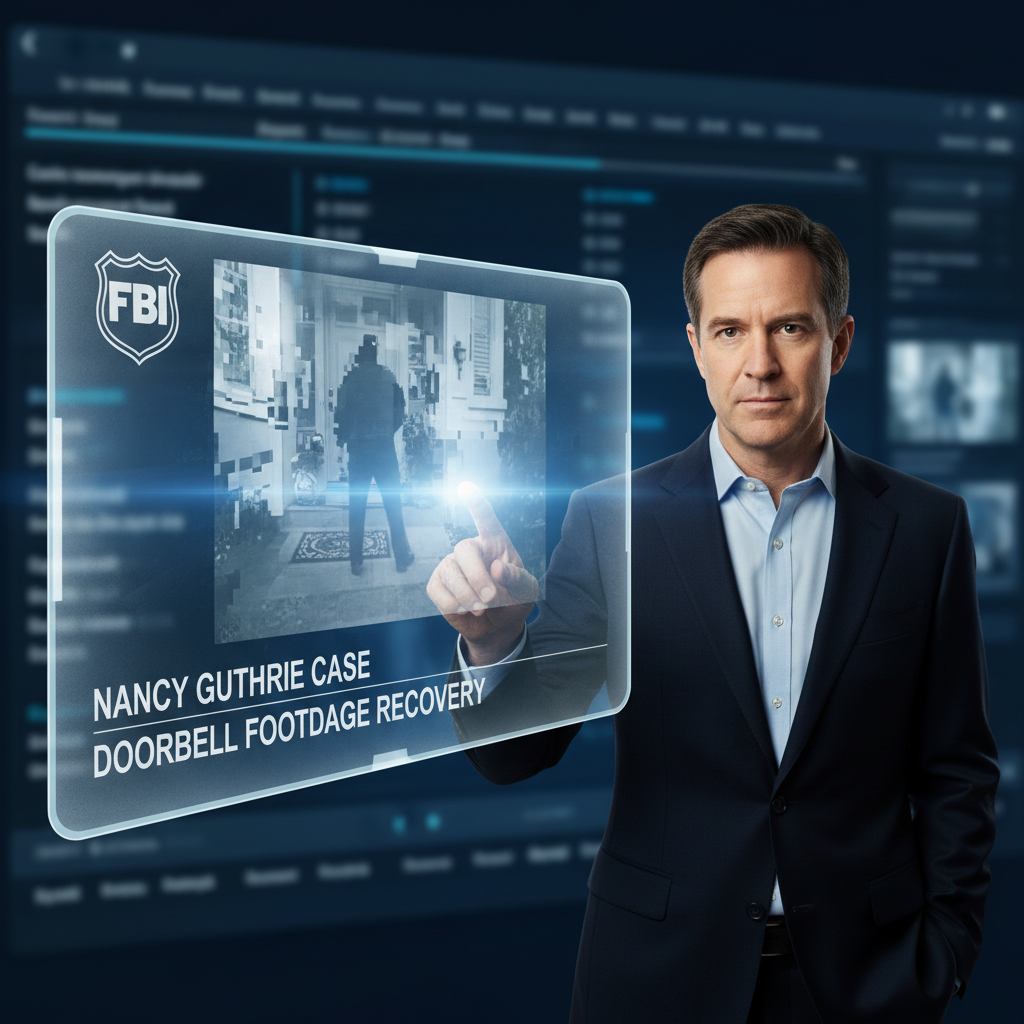
The hum of the servers filled the air as engineers at Ring reviewed the logs. It was a routine check, but the news of the FBI’s recent recovery of doorbell footage in the Nancy Guthrie disappearance case hung heavy in the room. Jamie Siminoff, Ring’s founder, had already addressed the situation, stating that the company doesn’t retain deleted footage without a subscription. The implications, though, were far from routine.
The FBI confirmed they had recovered video from Ring’s backend systems. This raised immediate questions about data retention policies and user privacy. For Ring, the situation was delicate. The company, a subsidiary of Amazon, has built its business on home security, a market that is projected to reach $74.7 billion by 2027, according to a recent report by Allied Market Research. A core tenet of this business model is the trust users place in Ring to protect their homes, and by extension, their data.
Analysts at Gartner have noted the increasing scrutiny of surveillance technology. “Companies are walking a tightrope,” one analyst explained during a conference call, “balancing the need to cooperate with law enforcement and the imperative to protect user data.” The specifics of the Guthrie case are still under investigation, but the situation underscores the complexities of digital evidence in the modern age. The fact that the FBI could recover the footage, even after deletion, is a reminder of the power and permanence of digital data. Or maybe that’s just how the supply shock reads from here.
Ring’s infrastructure, like many tech companies, is a complex mix of hardware and software. Each doorbell camera uploads footage to Ring’s servers. The company’s data retention policies, as Siminoff stated, are tied to subscription tiers. Without a subscription, deleted footage is not supposed to be retained. But the reality is more nuanced. Data, once created, can exist in multiple places: backups, logs, and caches. The FBI’s ability to recover the footage suggests they accessed data that, according to Ring, should have been inaccessible. That’s a headache for the legal team.
The implications extend beyond Ring. The incident could influence how other smart home device makers manage their data. The entire industry is watching, but the exact details of the data recovery process remain unclear. What is clear is that the line between security and privacy is constantly being redrawn. This could mean changes to how data is stored, how long it’s retained, and the level of transparency companies offer to users. It’s a high-stakes game, and the rules are still being written.
About the Author