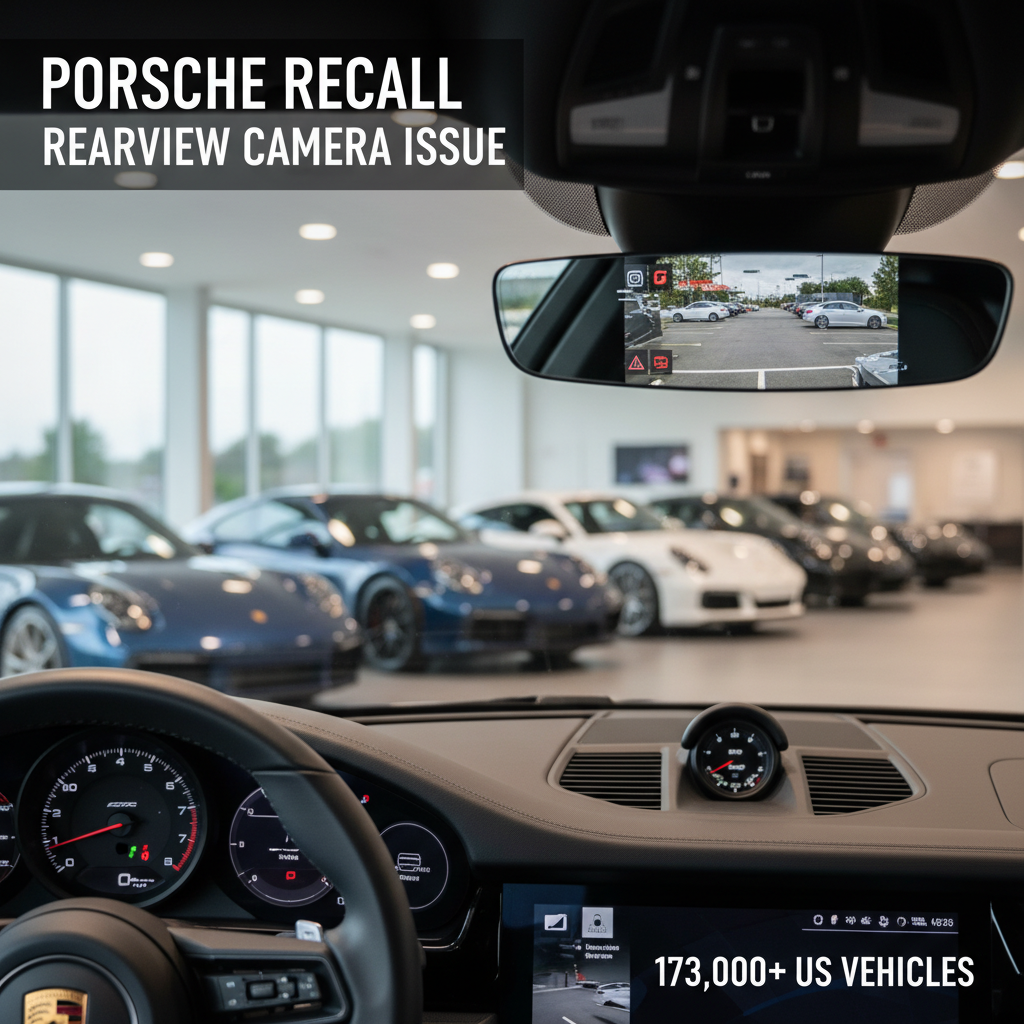
The hum of servers filled the air, a low thrumming that seemed to vibrate through the floor of the Porsche engineering lab. Engineers hunched over screens, poring over thermal imaging data, the digital glow reflecting in their eyes. It was late, but the recall of more than 173,000 vehicles in the US loomed large, a shadow cast by faulty rearview cameras.
The problem? A software glitch that could cause the camera to fail while reversing, increasing the risk of accidents. For Porsche, a company known for its precision, this was a black eye, a blemish on a reputation carefully cultivated over decades. The recall, announced recently, covers several models, including the 911, Cayenne, and Panamera, all manufactured between 2020 and 2023. The scope is significant, affecting vehicles nationwide. The National Highway Traffic Safety Administration (NHTSA) has been notified, and the company is working on a fix.
“This isn’t just about fixing a camera; it’s about restoring trust,” said one engineer, his voice barely audible above the whirring fans. The team was under pressure. The initial reports of camera failures had trickled in over the past few months, sparking internal investigations. Now, the recall was in full swing, a logistical nightmare of parts procurement, service appointments, and customer communication. Every vehicle needed a software update, a process that could take hours per car.
The technical details were complex. The rearview camera system relies on a network of sensors, processors, and software. When the driver shifts into reverse, the system activates, displaying a live feed on the infotainment screen. The fault, it turned out, lay in a specific software module that controlled the camera’s operation. Under certain conditions, the module could malfunction, causing the camera to freeze or go blank. This meant drivers wouldn’t have the visual assistance they expected, increasing the risk of a crash.
“It’s a cascading failure,” explained Sam Abuelsamid, Principal Analyst at Guidehouse Insights. “A small software bug can lead to a significant safety issue, and that’s why these recalls are so critical.” He added that the cost to Porsche could be in the hundreds of millions, factoring in repairs, lost sales, and reputational damage. The company, however, has not released any specific cost estimates.
The supply chain was a factor, too. Porsche, like other automakers, sources components from a global network of suppliers. The chips and other electronic parts needed for the camera system come from various locations, and any disruption could slow down the repair process. This is the reality of modern manufacturing — a complex dance of components, logistics, and software, all working in sync. When one piece fails, the entire system is at risk.
The next few weeks will be crucial. Porsche must get the word out, schedule repairs, and restore consumer confidence. The engineering team will continue working on the software fix, testing and retesting it to ensure it works flawlessly. It’s a race against time, a test of resilience, and a reminder that even the most prestigious brands are vulnerable to the complexities of modern technology. Or maybe that’s how the supply shock reads from here.
About the Author