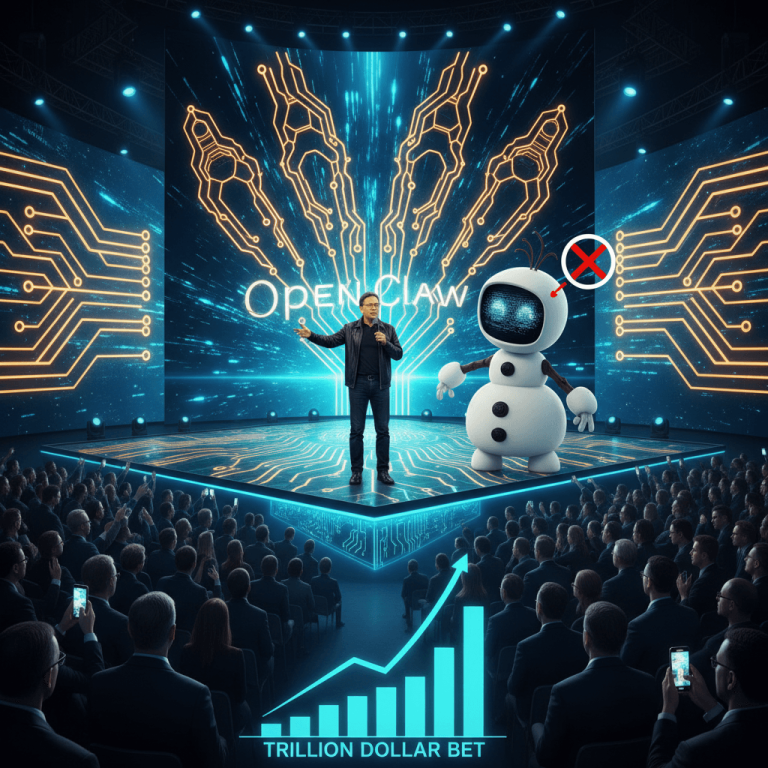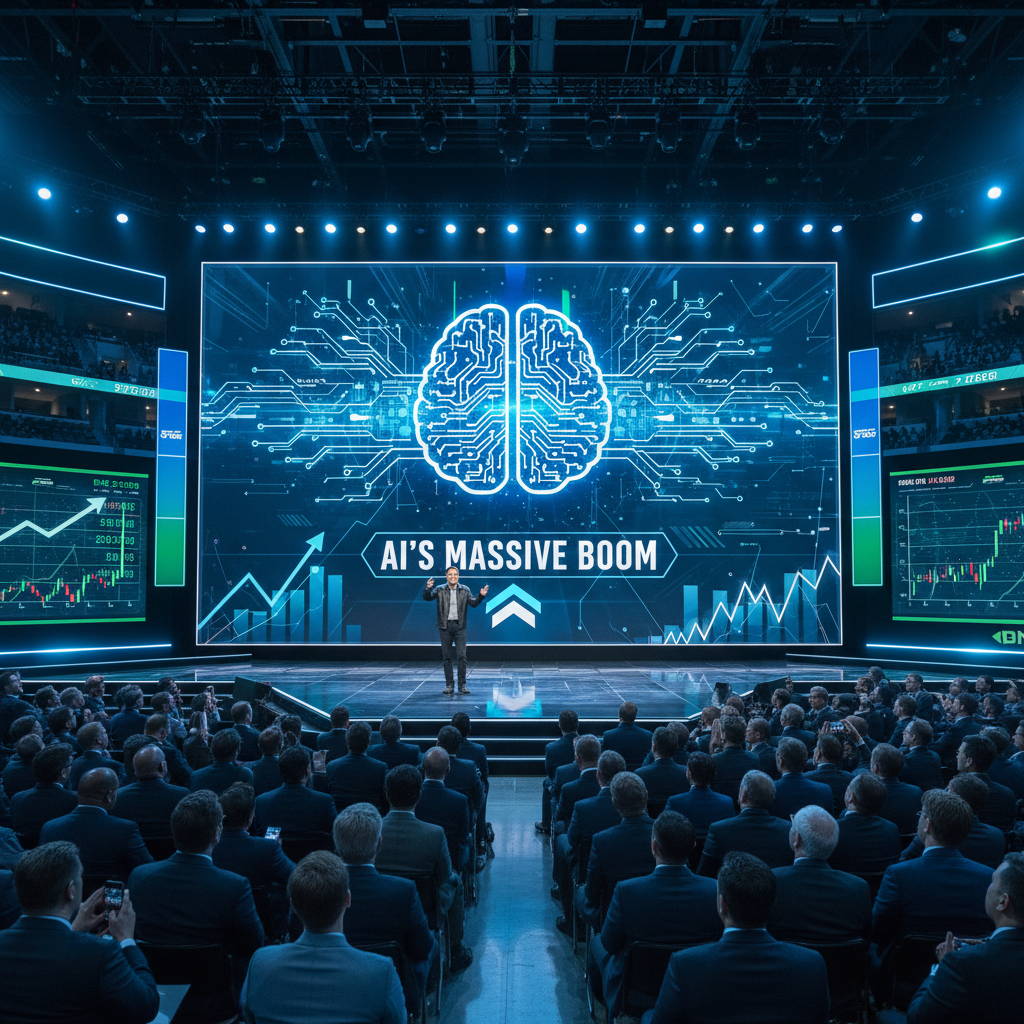
The hum of servers filled the air. Engineers in NVIDIA’s Santa Clara headquarters, heads down, reviewed thermal test reports for the upcoming H200 Tensor Core GPU, slated for release in early 2024. The air crackled with anticipation, a feeling amplified by Jensen Huang’s recent pronouncements. He believes the AI boom isn’t just underway—it’s barely begun.
“AI is going to be everywhere,” Huang stated, echoing sentiments shared across the industry. The implications are enormous. AI’s potential integration spans every sector, from healthcare to finance to entertainment. But the path ahead is not without its challenges. The relentless demand for processing power, especially for training and inference of large language models (LLMs), is putting a strain on the entire ecosystem.
Analyst firm Gartner projects that the AI chip market will reach $71.1 billion by 2027, a significant jump from the $34.3 billion estimated for 2023. These figures underscore the urgency felt by companies like NVIDIA to stay ahead of the curve. The competition is fierce, with AMD and Intel vying for market share. And then there are the supply chain bottlenecks, a persistent reality. TSMC, the primary manufacturer for high-end GPUs, faces capacity constraints, while export controls from the US government add another layer of complexity, particularly impacting the ability to manufacture advanced chips in China.
Inside NVIDIA, the focus remains on the future. The H200 is just one step. The next-generation architecture, slated for 2025, promises even greater performance gains. But it’s not just about raw power; it’s about the entire software stack, the CUDA platform, and the ecosystem of developers building on top of it. This strategy is critical, as highlighted by a recent report from Deutsche Bank, which emphasized the importance of a strong software ecosystem for long-term market dominance.
The conference call went silent for a beat. An executive, dialing in from Taipei, mentioned the latest export regulations. The pause was telling. It reflected the real-world impact of geopolitical tensions on a company’s roadmap. One engineer muttered something about the 2026 plans. The ambition is clear: to maintain and extend NVIDIA’s lead. But the path to ubiquitous AI is paved with silicon, software, and, increasingly, policy.
The AI boom is not just a technological shift; it’s a global race. And, as Jensen Huang suggests, it’s a race that’s only just getting started.
About the Author