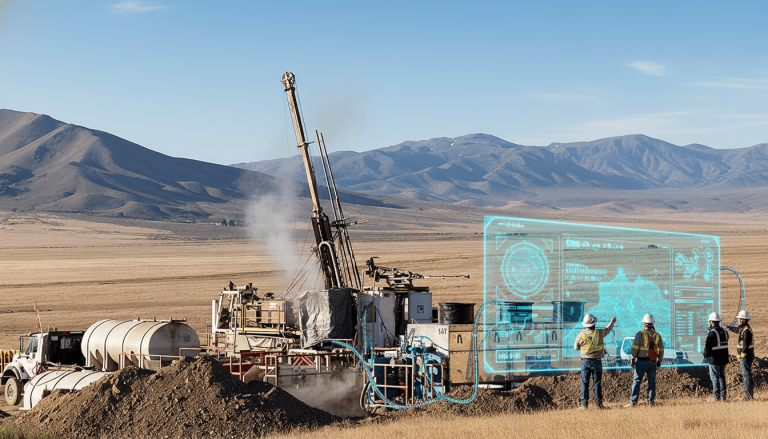
The hum of the servers is a constant thrum, a low-frequency pulse that vibrates through the floor. It’s early December 2024, and in a conference room in San Francisco, John Khazraee, founder of MayimFlow, is walking through a series of thermal images with his engineering team. On the screen, color gradients shift across schematics of a new data center design. Khazraee points to a cluster of blue pixels. “That’s where we’re seeing the potential for a leak,” he says, his voice steady.
Data center leaks. It’s a problem that costs the industry billions annually in repairs, downtime, and lost data. MayimFlow is betting it can solve the problem before it starts.
The core of MayimFlow’s approach involves a network of sensors and predictive analytics. The system monitors everything from temperature and humidity to subtle shifts in pressure, flagging potential issues before they escalate. It’s a proactive approach, a shift from the reactive model of current leak detection systems. The company is targeting an aggressive rollout, with a goal of having its system installed in at least 50 major data centers by the end of 2026. The initial focus is on facilities in North America and Europe, but the long-term plan includes expansion into Asia, where demand for data center capacity is booming.
“The market is ripe for disruption,” says analyst Sarah Jones of Forrester Research. “The current methods are simply not efficient. MayimFlow’s proactive approach could save companies millions.” Jones estimates the total addressable market for leak prevention solutions to be around $5 billion by 2027.
The technology itself is sophisticated. Tiny, high-precision sensors are deployed throughout the data center, constantly feeding data back to a central processing unit. Machine learning algorithms analyze this data, identifying patterns and anomalies that could indicate a leak. The system can even predict the likely location and severity of a leak, allowing data center operators to take preemptive action. Or maybe that’s how the supply shock reads from here.
One of the key challenges for MayimFlow is the sheer scale of the data centers they are targeting. These facilities can span hundreds of thousands of square feet, housing tens of thousands of servers. Installing and maintaining a comprehensive sensor network is a complex undertaking, requiring careful planning and execution. The company is working closely with data center operators to ensure minimal disruption during installation. Khazraee understands this, the team’s commitment to detail unwavering. He knows the stakes.
The success of MayimFlow will depend not only on the effectiveness of its technology but also on its ability to navigate the complex world of data center operations. The company faces competition from established players in the building management and security industries, as well as from other startups. But Khazraee is confident. He believes that MayimFlow’s focus on proactive leak prevention gives it a significant advantage. He sees a future where data center downtime due to leaks is a thing of the past, a future he hopes to usher in with every sensor, algorithm, and predictive model.
About the Author