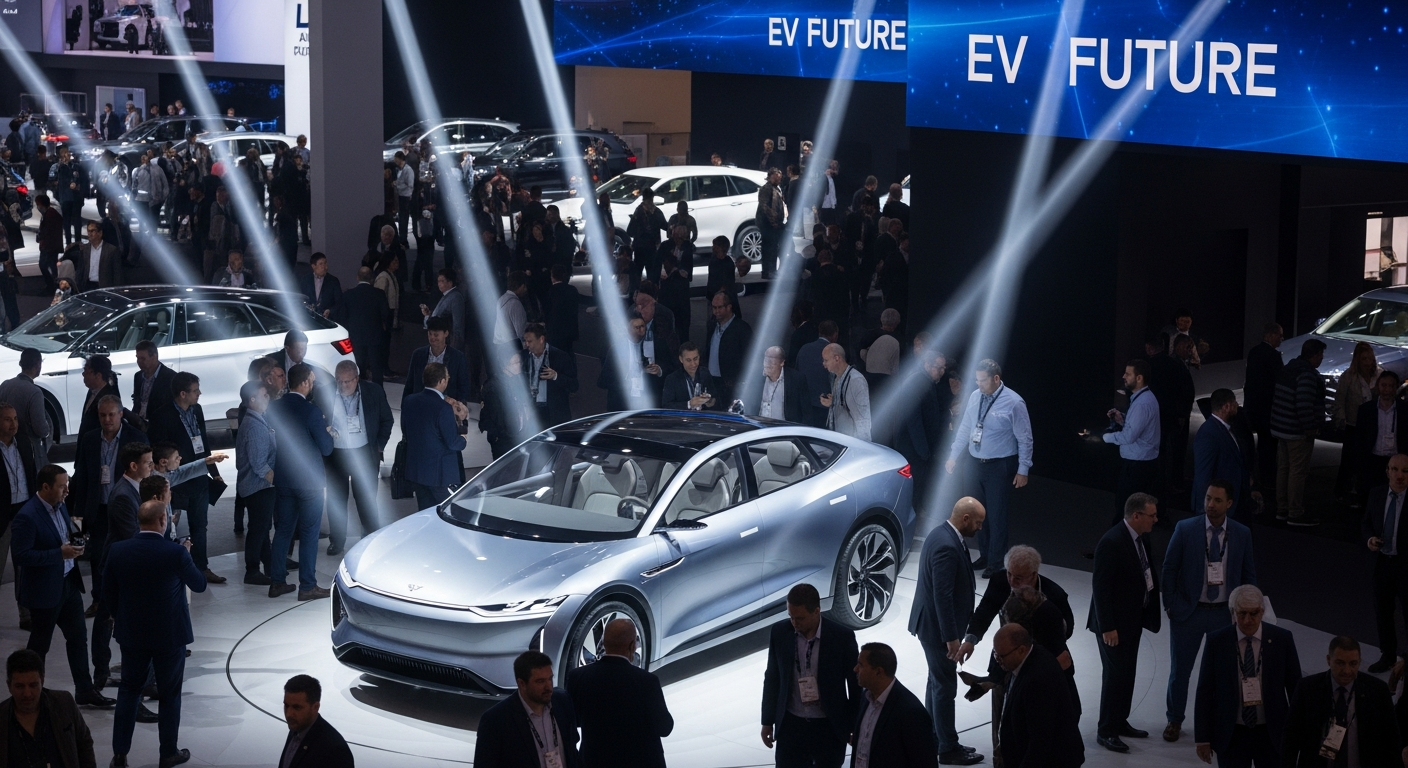
The air in the Los Angeles Convention Center hummed, a mix of excited chatter and the low thrum of electric motors. The LA Auto Show, a yearly ritual, felt different this year. Sure, the polished chrome and sleek lines were still there, but the real story wasn’t just about the cars themselves.
It was about what powered them, and how we, as drivers and consumers, feel about that power. Specifically, the future of electric vehicles. The timing was interesting. October saw a dip in EV sales, a direct result of expiring federal tax incentives. The enthusiasm felt a little…brave.
But the manufacturers? They weren’t backing down. They were talking about expanded charging networks, longer battery ranges, and price points that would entice the average driver. There was an undeniable buzz, a sense of quiet confidence.
I spoke with Sarah Chen, a marketing executive from a major EV manufacturer. “We see this as a temporary adjustment,” she said, her voice steady. “The underlying demand for EVs is still strong, and we’re committed to delivering what consumers want.” Her words echoed the general sentiment. The expiration of the tax credits in October, while a setback, didn’t seem to have dampened their long-term vision. They are betting on it.
The show floor itself was a testament to that vision. Sleek SUVs, sporty sedans, and even electric pickup trucks stood side-by-side, each a promise of a cleaner, more efficient future. The sheer variety was impressive, a clear sign that the industry is moving beyond the early adopters and aiming for the mainstream.
I watched a family crowd around a new model, the kids wide-eyed, the parents asking about range and charging times. It was a small moment, but it spoke volumes. The future isn’t just about technology, it’s about people. It’s about how we adapt, how we choose, and how we decide what’s important.
The lights dimmed, the crowd began to disperse. A lone security guard made his rounds, his flashlight beam cutting through the darkness, illuminating the silent, waiting cars. The future, it seemed, was already here, patiently waiting for us to catch up.
About the Author