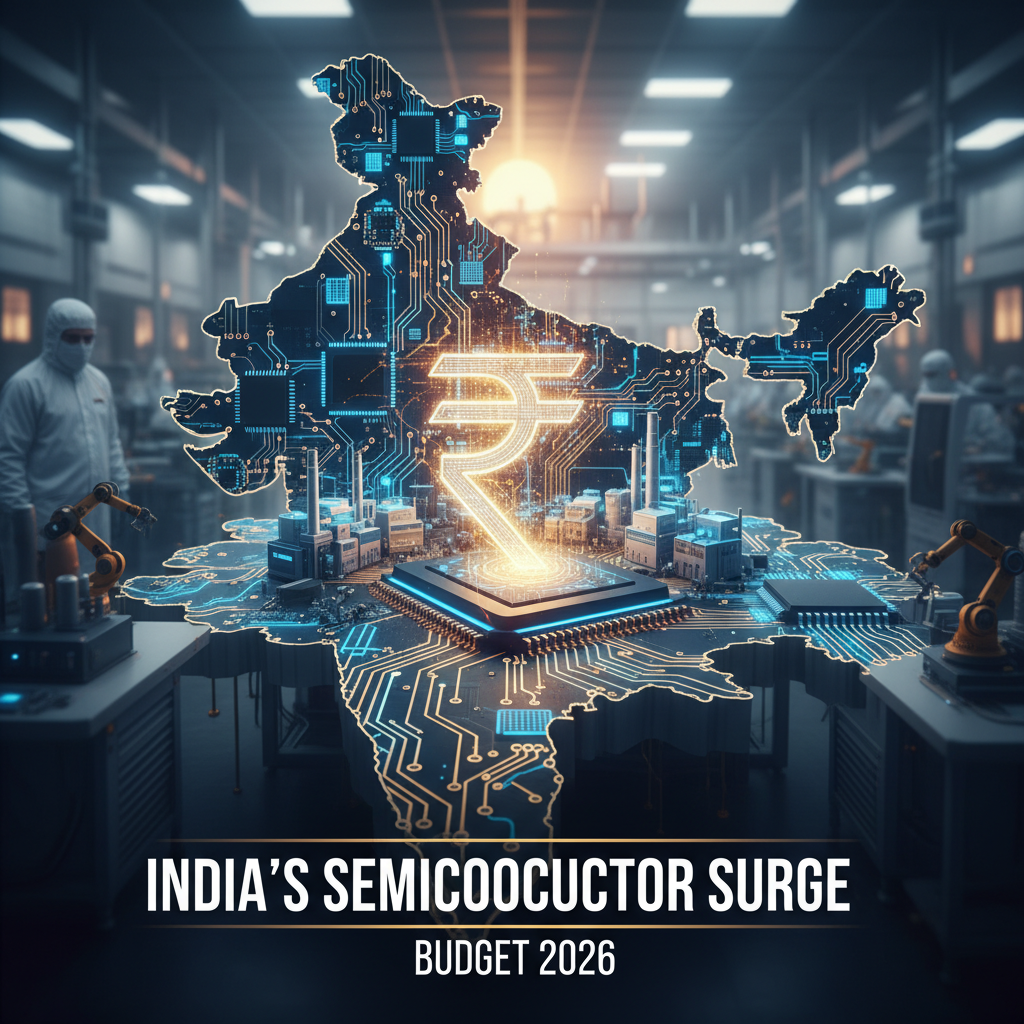
The hum of the fabrication equipment is a constant now, a low thrum that vibrates through the floor of the new facility. Engineers in cleanroom suits huddle around a monitor, eyes glued to thermal imaging of a prototype chip. It’s a scene that’s becoming increasingly common across India, a testament to the nation’s burgeoning semiconductor ambitions. The Union Budget 2026 is poised to be a pivotal moment, with the potential to either solidify India’s position or slow its momentum in this critical sector.
The stakes are high. Global demand for semiconductors is projected to reach $1 trillion by 2030, according to a recent report by Deloitte. India, with its vast talent pool and growing domestic market, is ideally positioned to capitalize on this opportunity. But success isn’t guaranteed. The industry faces significant challenges, from securing investment to navigating complex geopolitical landscapes. The upcoming budget must address these hurdles head-on.
One of the key areas that needs attention is investment. The Indian government has already launched several incentive schemes, including the Production Linked Incentive (PLI) scheme, to attract semiconductor manufacturers. However, more is needed. “The government needs to double down on these incentives,” says Priya Sharma, a senior analyst at Counterpoint Research. “We need to see a clear roadmap for long-term financial support, especially for fabless design companies and the development of a robust ecosystem.” Sharma points out that the current PLI scheme offers financial assistance for up to 50% of the project cost, but this needs to be extended and expanded to cover a wider range of activities, including research and development.
The development of a robust ecosystem is indeed critical. This includes everything from the availability of raw materials to the presence of skilled labor. India needs to invest heavily in education and training programs to ensure a steady supply of engineers, technicians, and other professionals. This is not a new challenge, either, but it’s one that needs constant attention. The government should also promote collaboration between industry, academia, and research institutions to foster innovation. The goal is to create a self-sustaining ecosystem that can compete with established players like Taiwan’s TSMC and South Korea’s Samsung.
Geopolitical considerations are also paramount. The global semiconductor supply chain is complex and vulnerable to disruptions. India needs to diversify its sources of raw materials and equipment to mitigate risks. This means strengthening relationships with friendly countries and investing in domestic manufacturing capabilities. Export controls, particularly those imposed by the US, will continue to play a role. India must navigate these complexities carefully, balancing its strategic interests with its economic aspirations.
The Budget 2026, therefore, must be forward-looking. It should prioritize long-term investments in research and development, infrastructure, and human capital. It should also focus on creating a stable and predictable regulatory environment that encourages investment and innovation. The potential rewards are immense: a thriving semiconductor industry could transform India’s economy, creating jobs, boosting exports, and driving technological advancement. Or maybe that’s how the supply shock reads from here.
The success of the Indian semiconductor industry hinges on the choices made in the coming years. Budget 2026 is a crucial test, a chance to set the stage for sustained growth and global leadership. The hum of the fabrication equipment continues, a constant reminder of the work ahead. The time to act is now.
About the Author