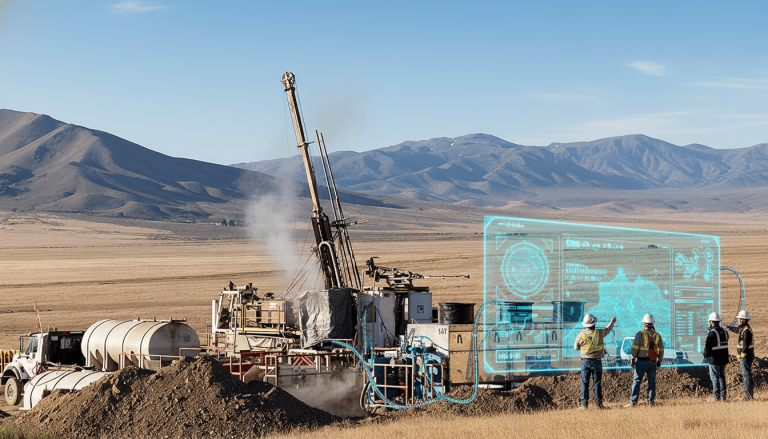
The hum of machinery, the glare of the desert sun, the sheer scale of ambition – these are the initial impressions of India’s ongoing mega-projects. Across the country, from new manufacturing hubs to vast infrastructure undertakings, the stakes are undeniably high. But the complexity is immense, and the path to completion is often fraught with delays and cost overruns.
The Economic Times recently highlighted the critical need for a productivity leap in these endeavors. The solution, as the article suggests, lies in a strategic blend of mechanization and digitalization. It’s not just about bringing in the latest equipment; it’s about creating a digital ecosystem that connects every aspect of the project, from design to execution.
Consider the logistical maze of a large manufacturing plant. Thousands of components, countless workers, intricate timelines – all demanding precise coordination. Without a robust digital infrastructure, the risk of bottlenecks and inefficiencies skyrockets. Mechanization, in this context, isn’t just about faster construction; it’s about precision, reducing human error, and ensuring quality. Digitalization, in turn, provides the real-time visibility needed to manage these complex operations effectively. It allows project managers to anticipate problems, adjust schedules, and optimize resource allocation.
“A balanced combination of mechanised construction methods and a digital ecosystem is essential to achieving project excellence,” the ET Manufacturing article notes. This is more than just a technical statement; it’s a recognition of the new reality. India, with its ambitious growth targets, can’t afford to lag in project efficiency. The success of its mega-projects will directly impact the nation’s economic trajectory.
The push towards digitalization is already underway. Companies are investing in Building Information Modeling (BIM) software, drone-based site monitoring, and cloud-based project management platforms. These tools are designed to streamline workflows, improve collaboration, and provide data-driven insights. However, the true potential of this technology lies in its ability to connect these disparate elements into a cohesive whole.
The challenge, therefore, is not just about adopting new technologies but also about fostering a culture of innovation and collaboration. It’s about training the workforce to use these tools effectively and creating an environment where data can drive better decision-making. As India continues its journey of rapid development, the ability to harness the power of mechanization and digitalization will be a defining factor in its success.
About the Author