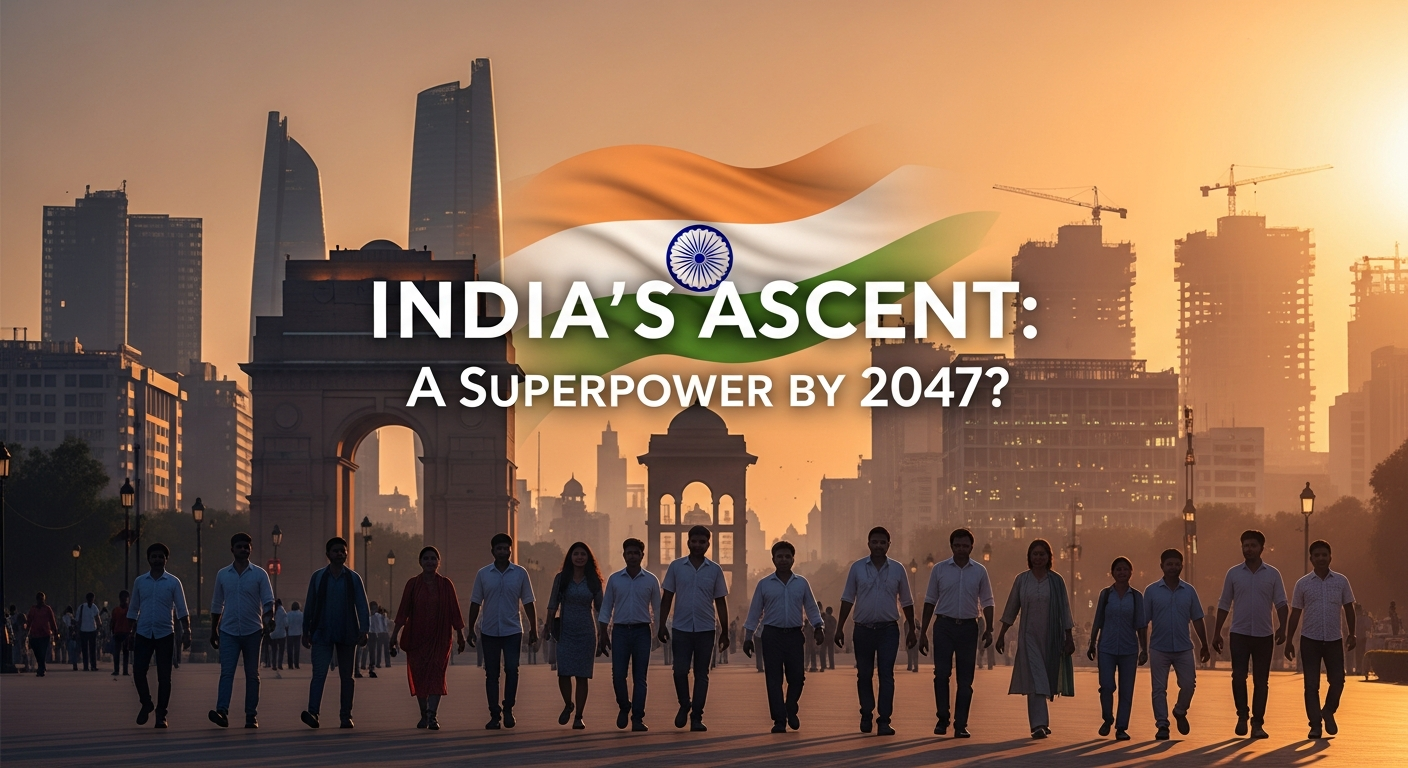
The year is 2047. The air in Bengaluru hums with a different energy, a blend of ancient wisdom and futuristic ambition. It’s a vision S. Somanath, the former chief of the Indian Space Research Organisation (ISRO), shared recently. He sees India not just as a global player, but a superpower, by that year.
It’s a bold claim, one that requires a shift in perspective. Somanath doesn’t just point to economic growth or technological advancements. He emphasizes the unique Indian context: the coexistence of science and spirituality. He sees the nation’s democratic stability and its youthful demographic as the engines of this transformation.
This isn’t just about rockets and satellites, although ISRO’s achievements are undeniable. Consider the Chandrayaan-3 mission, a recent triumph that landed a rover on the moon. It was a moment of national pride, a testament to India’s growing capabilities in space exploration. But Somanath’s vision extends far beyond the launchpad. It’s about the underlying values, the belief systems that fuel innovation. He believes this blend gives India a unique advantage on the world stage.
“India has a unique strength in its democratic stability,” Somanath stated, highlighting a critical factor often overlooked in the race for global dominance. He sees the nation’s vibrant, if sometimes chaotic, democracy as a source of resilience and adaptability. It’s a system that, despite its flaws, allows for diverse voices and perspectives to contribute to the collective vision.
The youthful demographic is another key component. India’s population is one of the youngest globally, a vast pool of potential innovators, entrepreneurs, and workers. This demographic dividend, however, is not a guarantee. It needs investment in education, healthcare, and infrastructure to be fully realized. The former ISRO chief is aware of these challenges, but his optimism remains. It’s a long game, a marathon, not a sprint.
The path to 2047 is not without its obstacles. There will be economic downturns, geopolitical tensions, and internal challenges. But Somanath’s vision suggests that India’s success will be defined not just by its material achievements, but by its ability to navigate these complexities, guided by its unique blend of science, spirituality, and democratic values. The future, as he sees it, is not just about reaching for the stars, but about building a nation that reflects the best of humanity.
About the Author