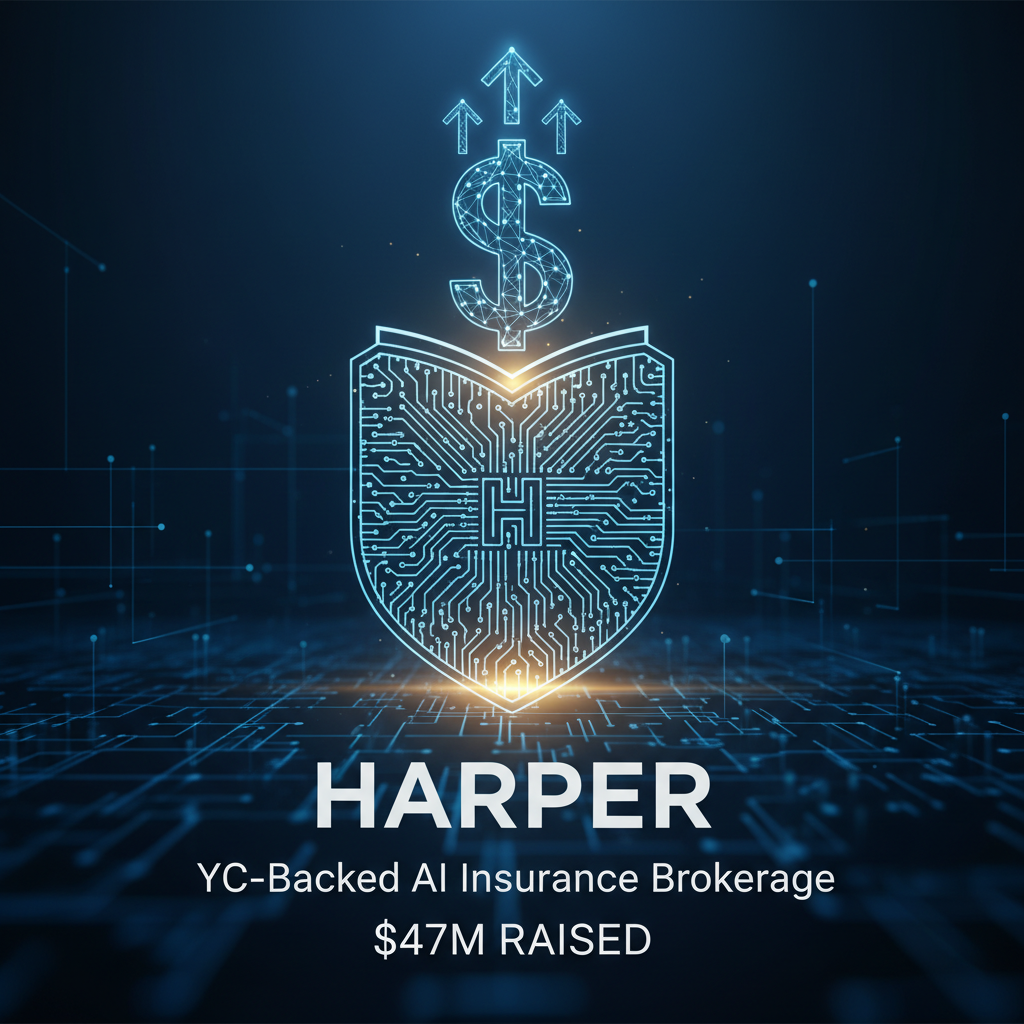
The hum of servers filled the air as the Harper engineering team huddled around monitors, analyzing the latest model performance metrics. It was late February 2026, and the pressure was on. The company, an AI-native insurance brokerage, had just announced a $47 million Series A and seed round, a significant vote of confidence in their vision to transform the insurance industry. The funding, secured after participation in Y Combinator’s Winter 2025 cohort, would fuel their ambitious plans.
Harper’s core innovation lies in its AI-driven approach to insurance brokerage. Instead of relying on traditional, often opaque, methods, Harper uses machine learning to assess risk, personalize policies, and streamline the claims process. The result? Faster, more efficient service and, potentially, lower premiums for customers. This model is a direct challenge to established players, and the market is watching closely. “We’re seeing a real shift,” noted Sarah Chen, lead analyst at InsurTech Insights. “Companies like Harper are leveraging AI not just to automate, but to fundamentally rethink how insurance works.”
The funding will be crucial in scaling their operations and expanding their team. According to a company spokesperson, the capital will be used to enhance their AI models, expand their product offerings, and grow their sales and marketing teams. The company is planning to expand its team from 75 to 200 employees by the end of 2027. This rapid expansion mirrors the broader trend of AI adoption in finance, where the promise of efficiency and better outcomes is driving significant investment.
The challenges are considerable. Regulatory hurdles, data privacy concerns, and the need to build trust with customers are all significant obstacles. The market is also becoming increasingly crowded, with both startups and established insurance companies vying for a piece of the AI pie. The company is already facing competition from other AI-driven brokerages and will need to continuously innovate to stay ahead. The pressure is on to deliver on the promise of their AI-powered platform. This is a sector where execution and iteration are everything.
The potential rewards, however, are substantial. The insurance market is vast, and the opportunity to disrupt it is enormous. If Harper can successfully execute its vision, it could reshape the industry. The future for Harper, and the future of insurance, remains to be seen. But one thing is clear: the company is making waves.
About the Author