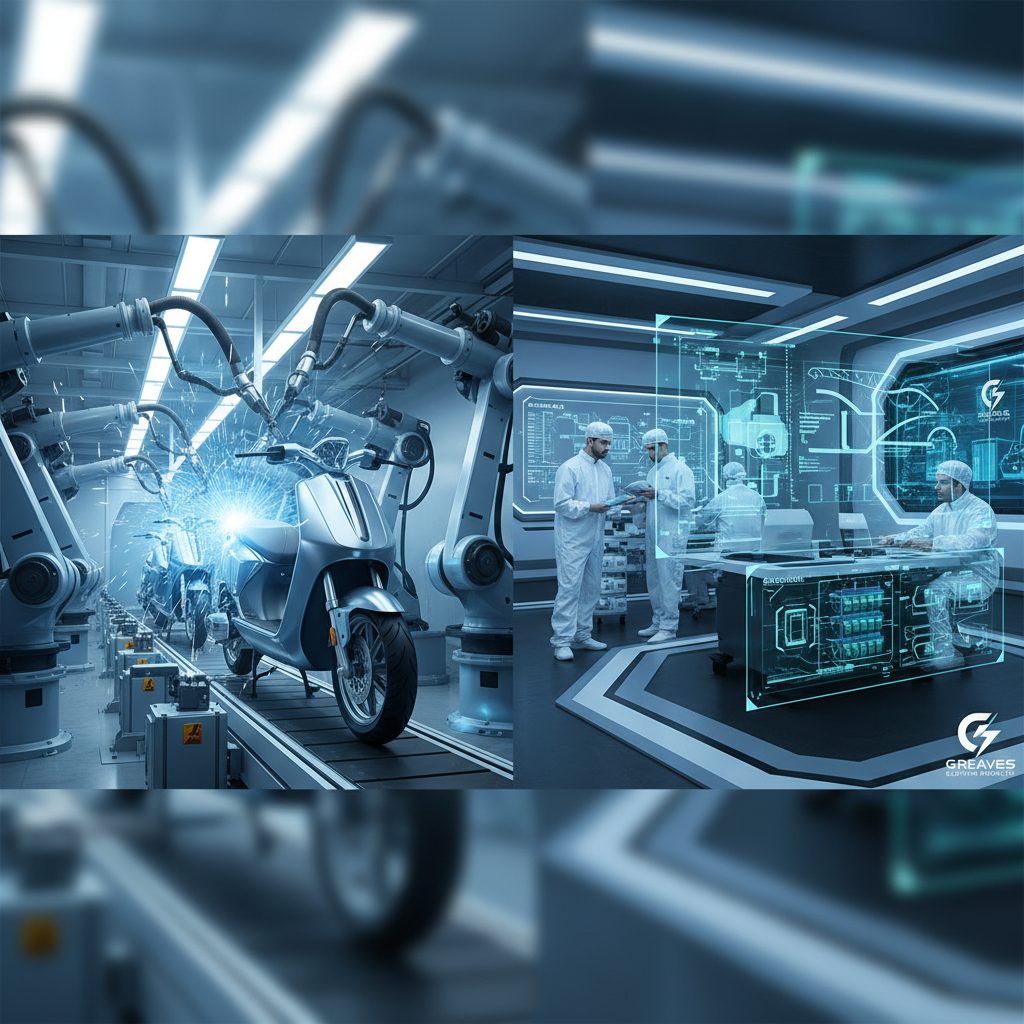
The low hum of the Ampere assembly line, a steady counterpoint to the staccato of rapid-fire questions during the earnings call. Greaves Electric Mobility, riding the momentum of Ampere’s ascent to the top five electric two-wheeler OEMs, is charting a course that leans heavily into research and development, alongside a renewed focus on manufacturing.
The company’s strategic pivot, as outlined in a recent ETManufacturing.in report, is a direct response to the stabilization of its two-wheeler business. This shift allows for a more concentrated effort on three-wheelers, a segment where Greaves sees substantial growth potential. This is a bet that analysts like Deepesh Rathore, co-founder of EVVolume, see as a logical progression, with the three-wheeler market offering a different set of opportunities than the crowded two-wheeler space.
The investment roadmap isn’t just about scaling up production; it’s about technological advancement. Greaves is acutely aware of the need to innovate to stay ahead. The focus on R&D suggests a push toward proprietary technology, possibly in battery management systems or motor design. This also means navigating the complex web of supply chains and manufacturing constraints. The global chip shortage, export controls, and domestic procurement policies all play a role in the company’s decisions.
“We’re looking at a multi-pronged approach,” a Greaves spokesperson said during a press briefing, “strengthening our core competencies while expanding into adjacent markets.” The spokesperson declined to share specific financial figures, but did confirm that a significant portion of the fresh investment would be allocated to upgrading manufacturing facilities and expanding R&D capabilities. This will likely involve hiring more engineers, building more testing labs, and forging partnerships with technology providers.
The company’s strategy also reflects a broader trend in the EV market. With demand surging, especially in developing markets, OEMs are under pressure to not only increase production but also to develop more efficient, cost-effective, and sustainable vehicles. It’s a high-stakes game. And Greaves, with its focus on both two and three-wheelers, has a unique position to capitalize on the changing landscape. The ability to integrate advanced technologies into existing manufacturing processes will be critical.
The success of this investment roadmap will, in large part, depend on Greaves’ ability to execute. They have to manage supply chains, navigate regulatory hurdles, and, perhaps most importantly, continue to deliver products that meet the evolving needs of their customers. That’s the challenge, and the opportunity.
About the Author