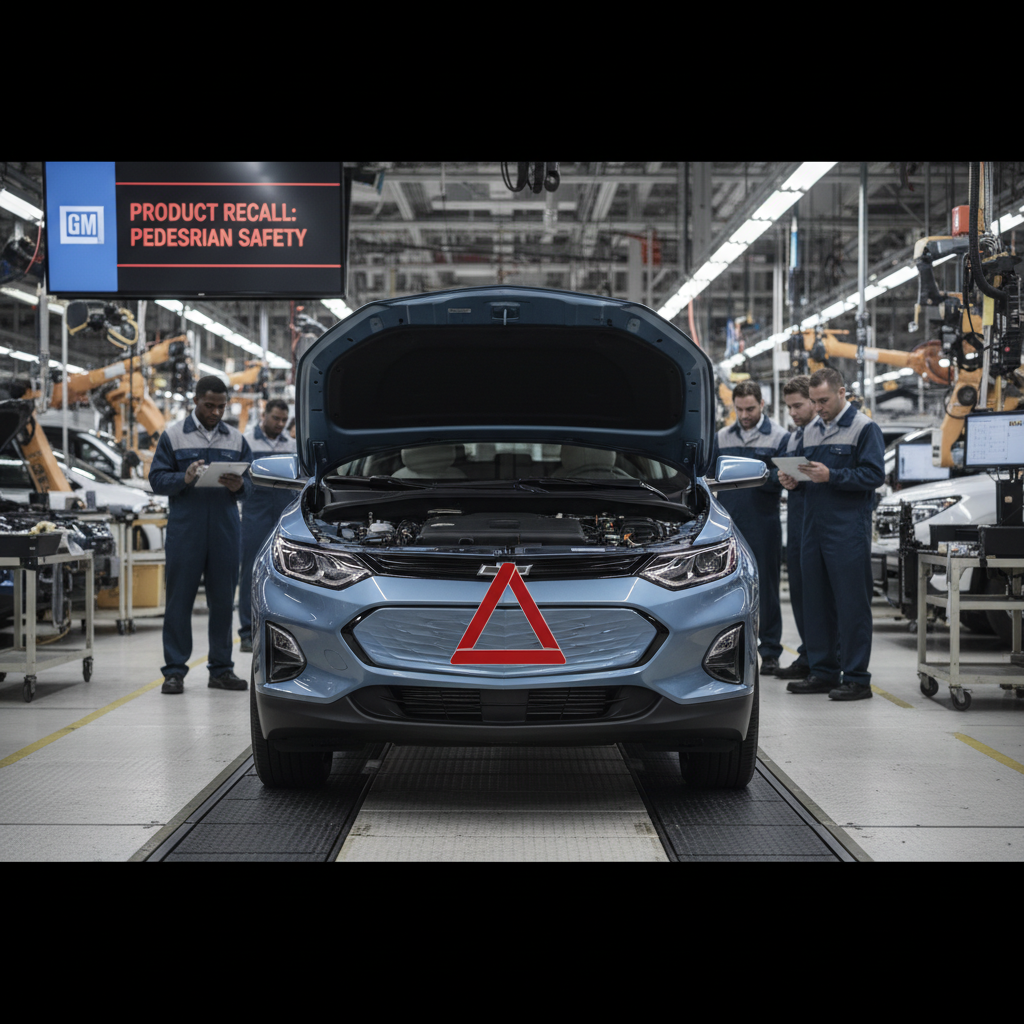
The hum of the servers was almost a comfort, a constant presence in the otherwise tense atmosphere of the GM engineering lab. It was late September, and the team huddled around a monitor, replaying crash test footage of the 2025 Chevrolet Equinox EV. The pedestrian alert system, designed to emit a specific sound to warn those outside the vehicle, wasn’t performing as expected. The recall, impacting over 80,000 vehicles from the 2025 and 2026 model years, was a harsh reality check.
The issue? The pedestrian alert sound systems (PASS) didn’t meet federal safety requirements. The systems, crucial for alerting pedestrians to the presence of the nearly silent electric vehicles, were failing. That failure meant the potential for accidents. Or worse.
“This is a critical system,” said Stephanie Brinley, Principal Analyst at S&P Global Mobility, “because it’s designed to protect vulnerable road users. Any defect here is taken very seriously.”
The problem, according to GM, stemmed from a software glitch that affected the PASS’s ability to emit the required sound. The alert, a carefully calibrated series of tones and pulses, was either too quiet or, in some instances, absent altogether. The company, in a statement, said it was working to rectify the issue and would notify owners starting in early October, with a software update to be pushed out to fix the issue. The fix involves a software update, a relatively straightforward solution, but the recall itself underscores the complexities of rolling out new technology.
This isn’t just a technical hiccup; it’s a market signal. The Equinox EV, positioned as a key player in GM’s electric vehicle strategy, was designed to compete directly with models like the Tesla Model Y and the Ford Mustang Mach-E. The recall, analysts noted, could affect consumer confidence, potentially slowing down sales. In a market where every sale counts, and every recall costs, the stakes are high.
The Equinox EV recall highlights the challenges of integrating advanced technologies into mass-produced vehicles. The software, the hardware, the testing, the validation—all are complex processes that require meticulous attention to detail. And, as GM’s experience demonstrates, even the most rigorous testing can miss flaws. Or maybe that’s how the supply shock reads from here.
The implications reach beyond GM. The automotive industry is in a race to electrify, with companies investing billions in EV technology. The pressure is on to meet ambitious production targets, and the push for speed can sometimes come at the expense of thoroughness. The recall is a reminder that safety must always be the top priority.
As the engineers in the lab continued to pore over the crash test data, the hum of the servers seemed to intensify, a constant reminder of the complex interplay of technology, safety, and the relentless demands of the market.
About the Author