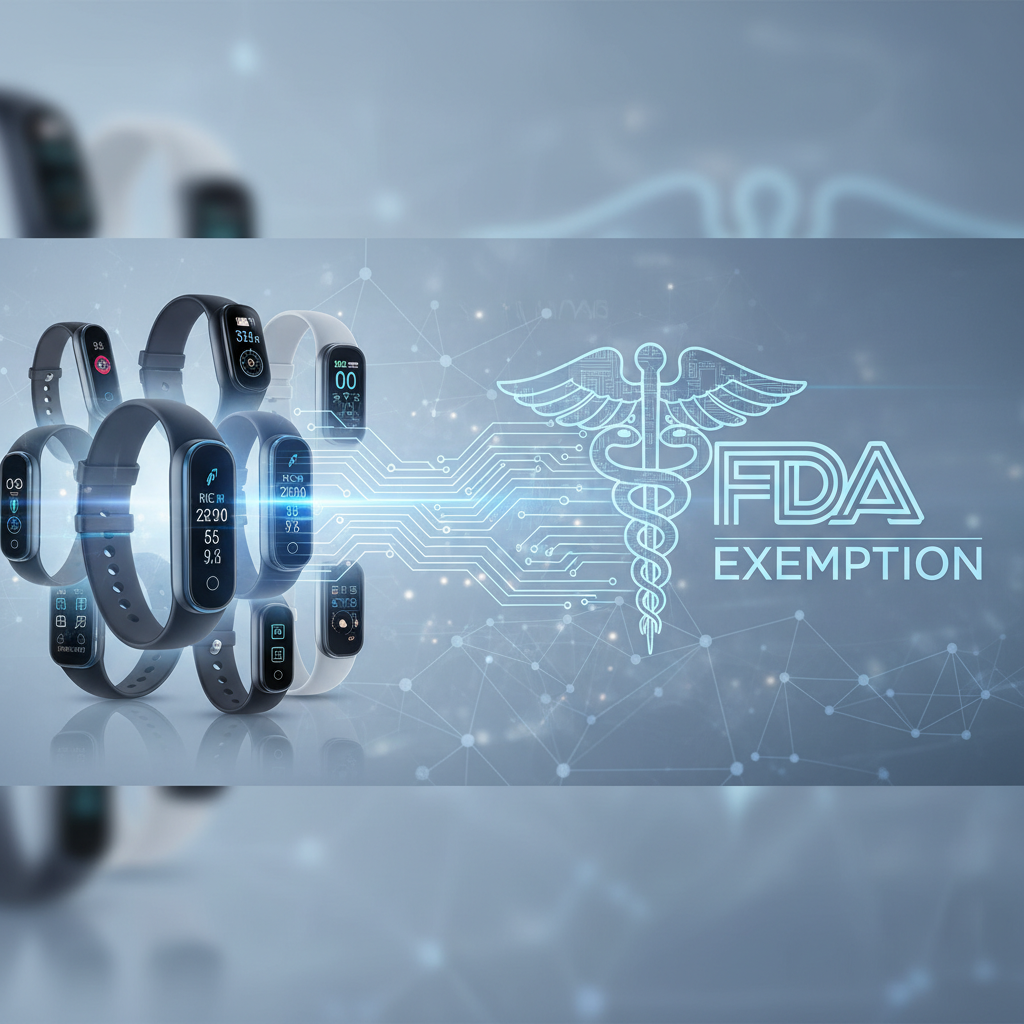
The hum of servers filled the air at the San Francisco office of health-tech startup, VitalMetrics. Engineers, hunched over monitors, reviewed data streams from a new generation of fitness trackers. Their focus sharpened after a recent announcement from the FDA: non-medical-grade data collected by wearables would be exempt from regulatory oversight. This seemingly small shift in policy is poised to have a significant impact on the digital health landscape.
The FDA’s move, made public just last week, clarifies the boundaries of its regulatory purview. It essentially gives a green light to companies focusing on wellness and lifestyle data. This includes information on sleep patterns, activity levels, and other metrics that, while valuable for personal insight, don’t directly diagnose or treat medical conditions.
“This is a shot in the arm for the industry,” says Dr. Emily Carter, a healthcare analyst at Forrester. “It removes a major hurdle for companies wanting to innovate in the preventative health space. Suddenly, the development of new algorithms and features is easier. Or maybe that’s how the supply shock reads from here.”
The implications are far-reaching. Imagine more sophisticated sleep trackers that can alert users to potential issues, or activity monitors that tailor exercise recommendations based on individual biometrics. Companies can now iterate faster, deploying new features and gathering user feedback without the lengthy and expensive process of FDA approval.
The exemption, however, comes with caveats. Any device making medical claims—diagnosing or treating a disease—will still require FDA clearance. This creates a clear delineation: wellness apps and devices are largely free from oversight, while those offering medical solutions remain subject to stringent regulations. This keeps the focus on patient safety, while fostering innovation in the broader health and wellness market.
This is a big win for companies like Apple, Google, and Fitbit, all of which have invested heavily in wearable technology. Market analysts at JP Morgan forecast that the global wearable market will reach $100 billion by 2027. Some of that growth will be directly attributable to this regulatory clarity.
The policy also has implications for AI in healthcare. The FDA’s stance suggests a more nuanced approach to regulating AI-driven health solutions. While AI used in medical diagnosis and treatment will continue to be closely scrutinized, AI applications in areas like personalized wellness coaching may face less regulatory friction. The shift is already being felt. Engineers at VitalMetrics are already discussing how to incorporate new data streams into their AI models, knowing they can move faster. It’s a race, now, to the future.
About the Author