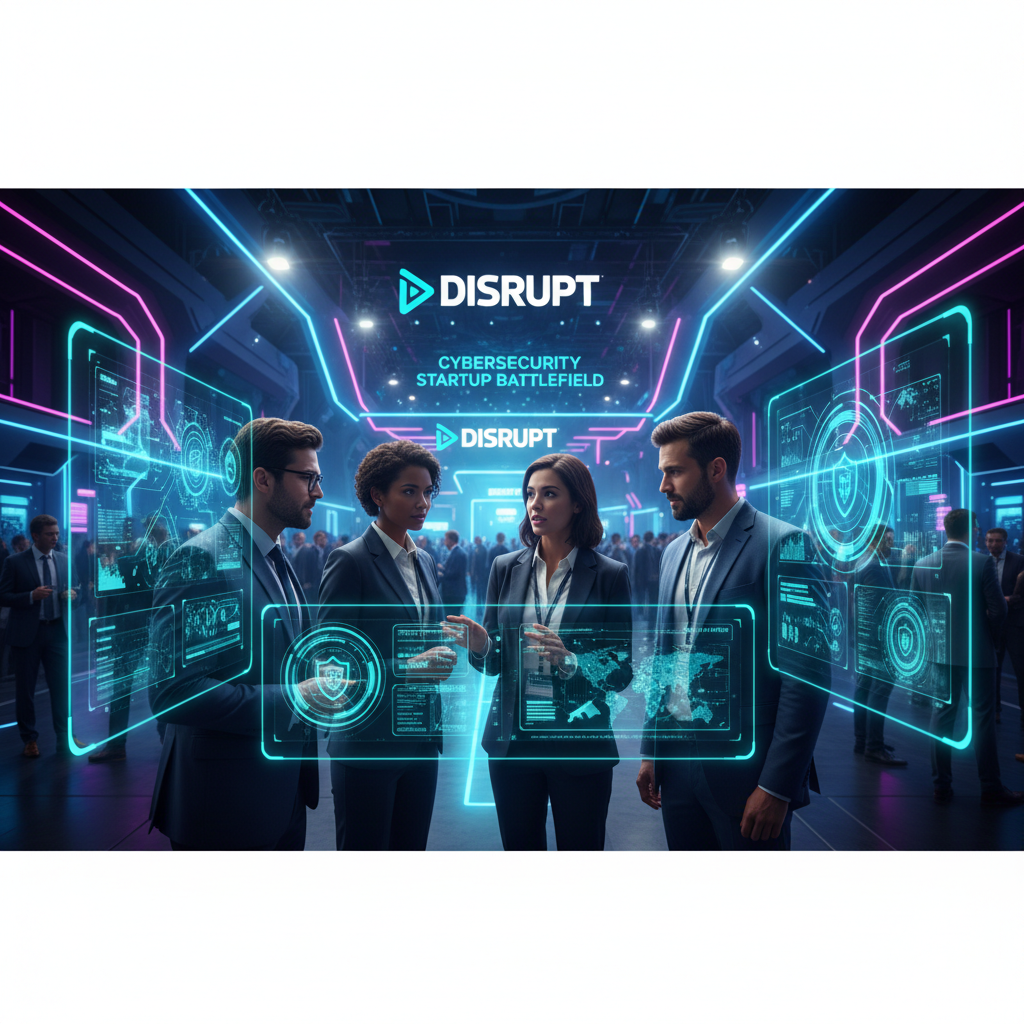
The hum of servers filled the room, a low thrum that vibrated through the floor. It was late December 2025, and the team at HexaGuard was huddled around a monitor, eyes glued to a live feed of the Disrupt Startup Battlefield. Their CEO, Sarah Chen, tapped a pen against her teeth, a nervous habit she’d picked up during the last funding round.
HexaGuard was one of the nine cybersecurity startups selected to compete, a testament to their innovative approach to threat detection. Their platform, built on a novel AI architecture, promised to identify and neutralize zero-day exploits in real-time. The promise was bold: a 95% reduction in false positives, a claim that, if true, would revolutionize the industry. But the pressure was on. The competition was fierce, and the stakes were high. They were up against some serious competition.
“The market is hungry for this,” said Mark Daniels, a cybersecurity analyst at Forrester, in a pre-recorded interview played during the event. “We’re seeing a 30% year-over-year increase in cybersecurity spending, driven by the escalating sophistication of cyberattacks. Companies are desperate for solutions that can keep pace.”
One of the contenders, SentinelAI, was showcasing its advanced threat intelligence platform. The system promised to predict attacks before they happened, using a combination of behavioral analysis and machine learning. Their pitch centered on proactive defense, a contrast to the reactive approach of many existing security solutions. Their system’s efficacy depended on constant data influx, and it was resource intensive. They were using a cluster of NVIDIA H100 GPUs, a supply-chain bottleneck that had them sweating for months. They needed the processors, and they needed them now.
Then there was QuantumShield, a startup that had developed a quantum-resistant encryption protocol. Their technology was designed to protect sensitive data from future quantum computing attacks. This was a long game, a bet on the future, and they were playing it with a confidence that bordered on arrogance. The team knew that, even with the most advanced algorithms, they were still at the mercy of the chip foundries. SMIC, the leading Chinese chip manufacturer, was rumored to be working on their own quantum-resistant chips, a development that could either be a boon or a curse. The race was on, but the finish line was blurry.
The judges began their questioning. The tension in the room was palpable. Sarah Chen leaned forward, her eyes fixed on the screen. The outcome of the competition could determine the fate of HexaGuard, and maybe even the future of cybersecurity. It felt like a lifetime crammed into a few minutes.
According to a report by Gartner, the global cybersecurity market is projected to reach $300 billion by 2027. This growth is fueling a wave of innovation, and the Disrupt Startup Battlefield is a microcosm of this trend. The nine startups represented a diverse range of approaches, from AI-powered threat detection to quantum-resistant encryption. Each one was vying for a piece of the pie, a chance to reshape the industry. The competition was a pressure cooker, but the heat was also forging new solutions.
As the event moved into the final stages, the team at HexaGuard waited. And waited. Then, finally, their name was announced as one of the winners. The room erupted in cheers. Sarah Chen allowed herself a small smile. This was just the beginning. There was a lot of work ahead, but for now, they could savor the victory. The future of cybersecurity, it seemed, was in good hands.
About the Author