The hum of servers filled the air as the engineering team at Solara Energy reviewed thermal tests on their new solar panel design. It was late December 2025, and the pressure was on. Solara was one of the 22 clean tech and energy startups selected for the Disrupt Startup Battlefield competition, a showcase that often foreshadows major industry trends.
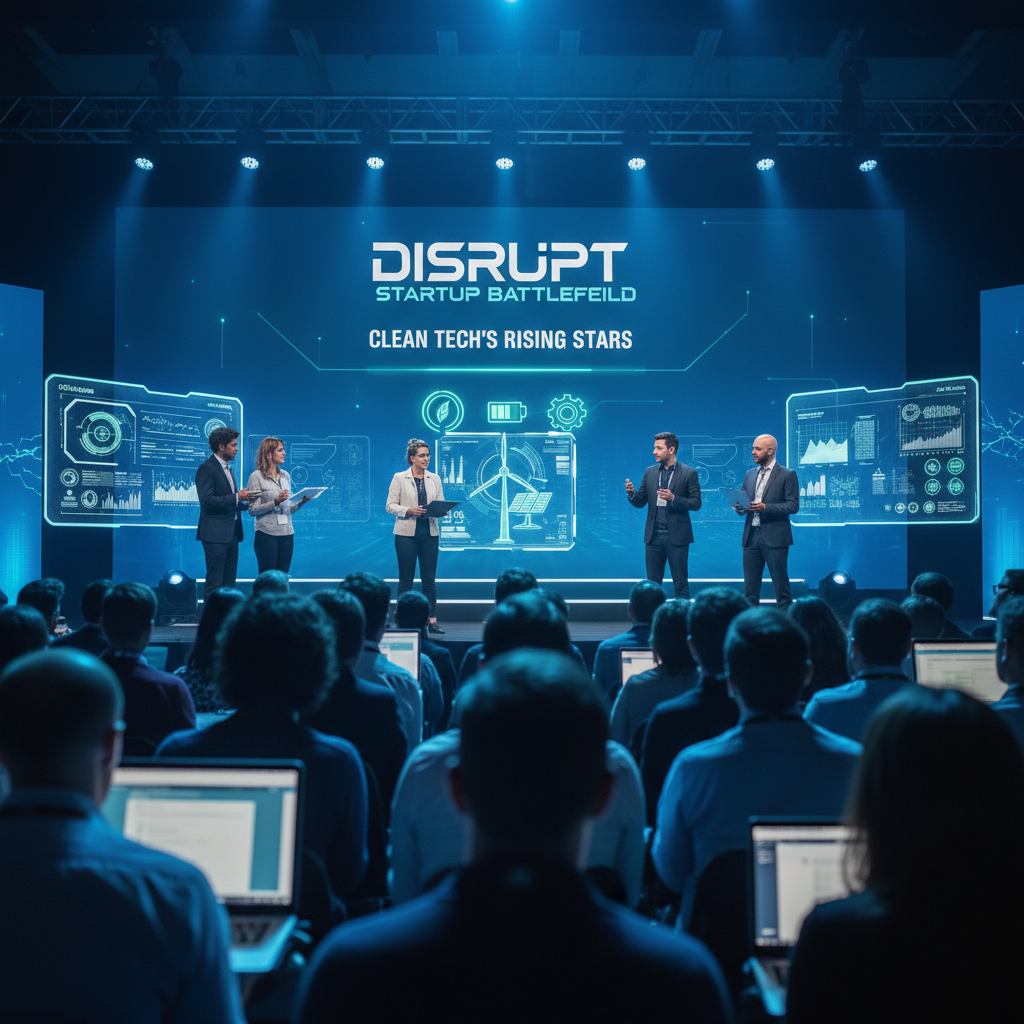
The competition, held in the bustling heart of San Francisco, attracted investors, analysts, and industry leaders eager to spot the next big thing. TechCrunch, the event’s host, highlighted the startups’ potential to reshape the energy landscape. The focus was clear: innovation in a sector grappling with both unprecedented demand and supply-chain bottlenecks. The selection process, according to TechCrunch, was rigorous, focusing on the startups’ ability to deliver scalable solutions and attract venture capital.
One of the standout companies was EnerGen, which is developing advanced battery storage solutions. Their technology promises to significantly increase the efficiency of renewable energy sources. “EnerGen’s approach to grid-scale storage is particularly compelling,” noted Sarah Chen, lead energy analyst at Deutsche Bank. “Their projections for 2027 show a 30% increase in energy storage capacity, which is a game-changer.” The team was racing to meet the expected 2026 product launch, a critical milestone in their roadmap. They were up against well-established players and faced challenges with accessing the necessary materials, a common hurdle in the current environment.
Another firm, focused on sustainable aviation fuels, was facing its own set of trials. The company’s CEO, during a call with investors, outlined the need for further investment, especially with the US export rules and domestic procurement policies. The call then went silent as they waited for an answer. The team knew the stakes were high, with projections showing a potential market of $50 billion by 2030, according to a report from JPMorgan. But they also understood the complexities of navigating supply chains, especially with the limited manufacturing capacity of companies like SMIC.
The competition highlighted the diverse approaches these startups are taking. From advanced materials for solar panels to innovative grid management systems, the common thread was a commitment to sustainability and efficiency. The startups also faced the same challenges: securing funding, navigating regulatory hurdles, and scaling up production. The atmosphere at Disrupt was charged with the tension of competition, but also with a sense of optimism. The future of clean technology, it seemed, was bright.
As the sun set over San Francisco, the engineers at Solara finally signed off, their screens reflecting the glow of the city lights. They knew the next few months would be critical, but they also knew they were part of something important. The potential for these startups to reshape the energy landscape was immense – or maybe that’s how the situation looks from here.
About the Author