The fluorescent lights of the Vivo India headquarters hummed, a familiar backdrop to the hushed urgency of the quarterly financial review. Engineers, heads bent over glowing screens, reviewed thermal tests for the upcoming V-series launch. The air, thick with the scent of freshly brewed chai, did little to soothe the tension. Sales figures for the previous quarter were down 15% year-over-year, and the regulatory landscape in India had become a minefield.
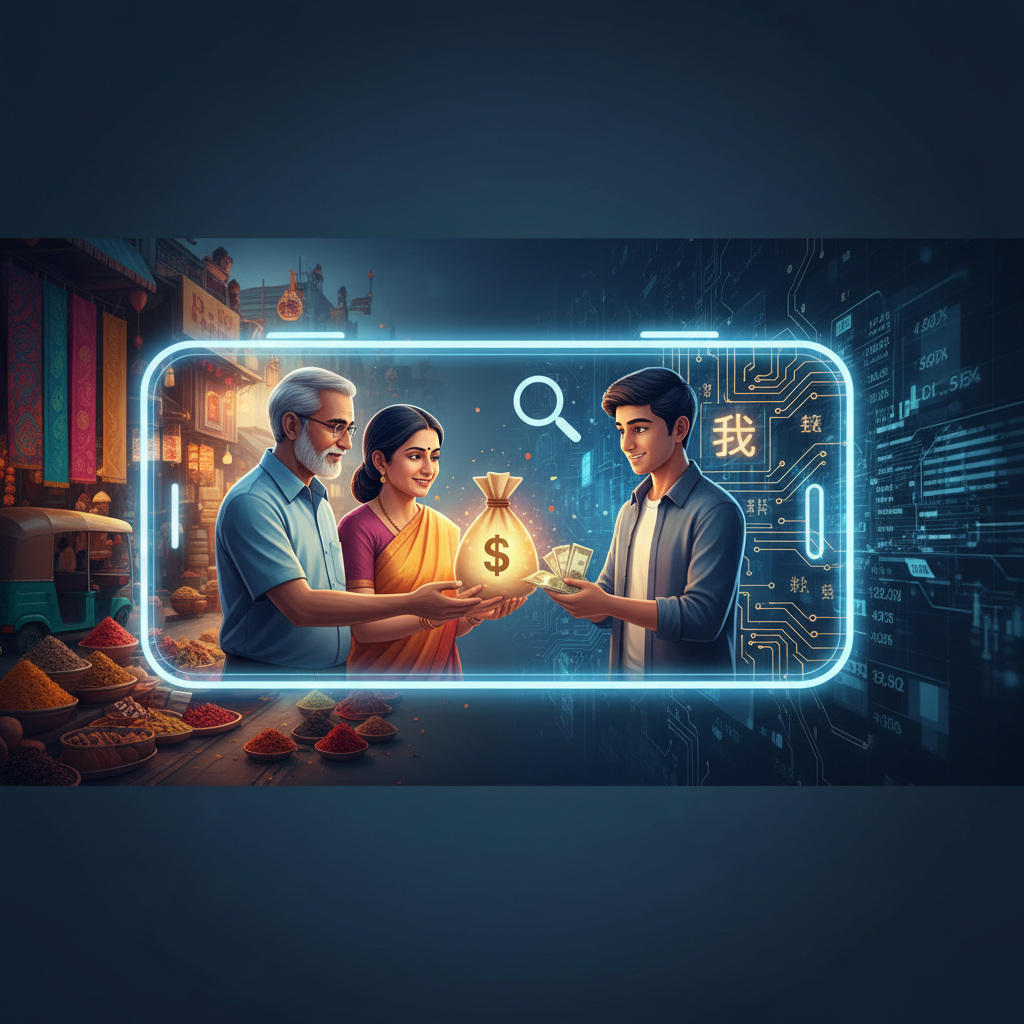
Reports from ET Manufacturing indicate that Chinese electronics firms operating in India, including Vivo and Xiaomi, are increasingly leaning on their parent companies for financial support. This backing is crucial to navigate legal challenges and regulatory issues, a trend that has intensified over the past year. Parent companies are providing financial lifelines through various financial instruments, helping these brands to survive in a challenging market.
“It’s a strategic realignment,” explained Neil Shah, Vice President of Research at Counterpoint Research. “These companies are essentially doubling down on their commitment to the Indian market, but they’re doing so with a different financial structure.” Shah noted that the shift reflects a broader trend of Chinese tech firms adapting to stricter scrutiny and evolving policy environments. The backing from parent firms is not just a financial maneuver, but a strategic move to maintain market share.
The flow of capital isn’t always direct. Sometimes, it’s structured through loans, guarantees, or investments in subsidiaries. Other times, it’s about navigating the complexities of India’s foreign investment regulations. In 2023 alone, Xiaomi received over $1 billion in financial support from its parent company, according to internal documents reviewed by ET Manufacturing. This financial assistance is crucial for covering operational costs, marketing expenses, and, crucially, legal fees related to ongoing investigations.
The impact of this financial reliance is clear. The ability to weather the storm of regulatory challenges, to maintain research and development efforts, and to continue marketing campaigns, all depend on the steady flow of funds from the parent company. It’s a delicate dance, a high-stakes balancing act between market presence and regulatory compliance. The long-term implications are significant, potentially reshaping the competitive landscape of the Indian smartphone market.
As one senior executive at Xiaomi, speaking on condition of anonymity, put it, “We are here for the long haul. The Indian market is too important to abandon.” That sentiment is echoed throughout the industry, a testament to the potential of the Indian market, even amidst the current challenges. The question is, for how long can these companies rely on their parents to keep them in the game? Or maybe that’s how the supply shock reads from here.
About the Author