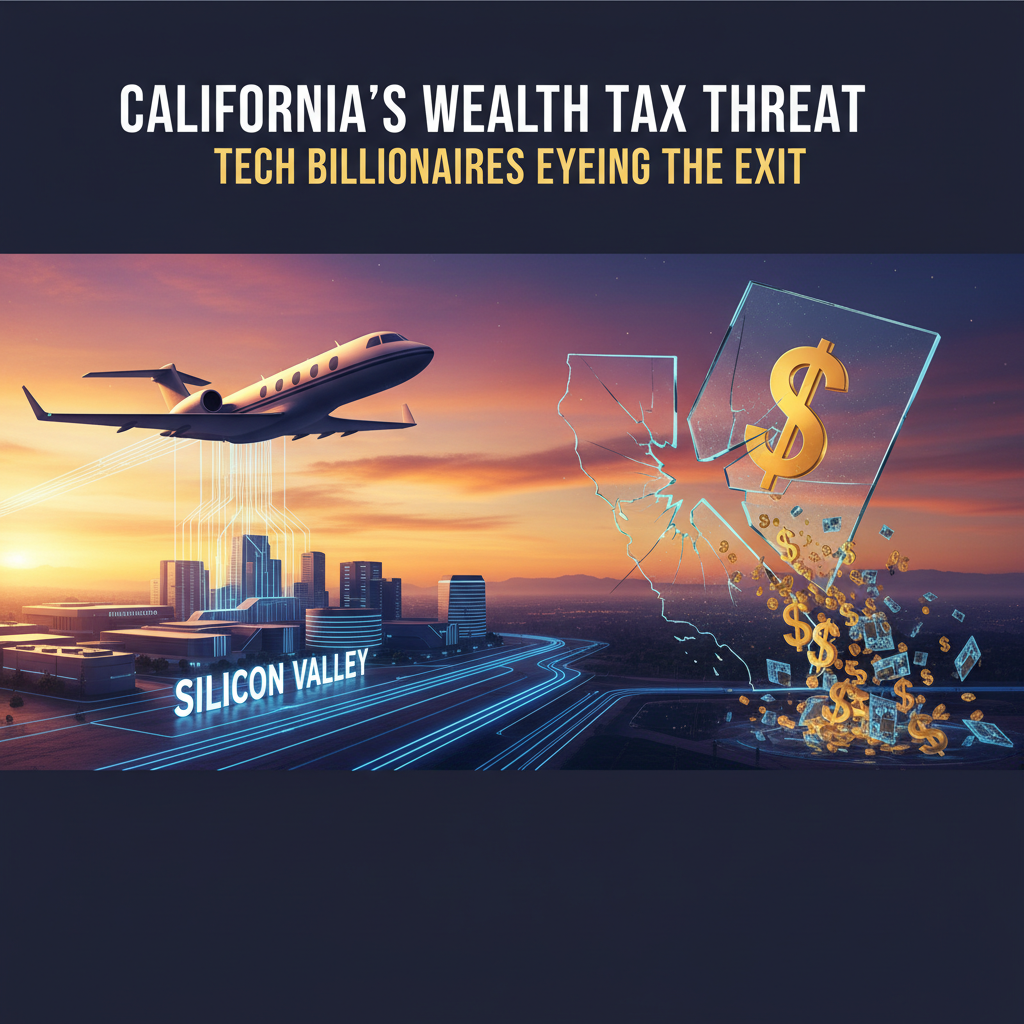
The hum of servers filled the air, a constant thrum in the background as the engineering team at ‘NovaTech’ reviewed thermal tests. It was late October, and the impending state tax was the only topic of conversation. The proposed 5% wealth tax on billionaires had cast a long shadow over Silicon Valley, with whispers of an exodus growing louder each day. This wasn’t just about money; it was about control, about the future of innovation in the face of what many saw as a hostile regulatory environment.
“They’re not just talking; they’re making plans,” a source close to the situation confided. “Moving assets, exploring options, even setting up shop in other states, if not countries.”
The core of the issue: California’s proposed wealth tax. It targets the ultra-wealthy, potentially forcing them to pay a percentage of their total net worth annually. For tech titans, this translates to millions, if not billions, in additional taxes. The threat of capital flight is real. According to a recent analysis by the Hoover Institution, a mass departure of high-net-worth individuals could severely impact California’s economy, leading to a loss of investment and jobs.
The implications are far-reaching. The exodus could hit the state’s tax base hard. For example, if even a fraction of the state’s billionaires relocate, California could lose billions in tax revenue. That money funds public services, from education to infrastructure. The impact, according to analysts, would be felt for years.
“It’s a delicate balance,” explained Dr. Emily Carter, a senior economist at the Milken Institute. “You want to tax wealth, but you don’t want to drive away the very people who generate it.”
The situation mirrors a scene from a few years back, when the US government imposed new export controls. The restrictions, aimed at curbing China’s access to advanced semiconductors, sent ripples through the industry. The impact was immediate: delays in product launches, increased costs, and a scramble to find alternative supply chains. The current tax proposal, in a way, is a mirror image of that, with the potential to disrupt the flow of capital and talent.
The mood in the NovaTech lab was somber. The engineers, who had spent months perfecting the M300 chip, knew that their work was at stake. The company’s future, its valuation, and the jobs of everyone in the room could be affected. The 2026 roadmap, with its ambitious goals for the M500, seemed distant, or maybe that’s how the supply shock reads from here.
On a conference call, a senior executive at NovaTech, who asked not to be named, said, “We’re evaluating all options. The tax proposal creates significant uncertainty. We need clarity, and we need it now.”
The clock was ticking. The legislative session loomed, and the tech world held its breath, waiting to see if California would push its luck too far. The decision could reshape the state’s economic landscape for years to come.
About the Author