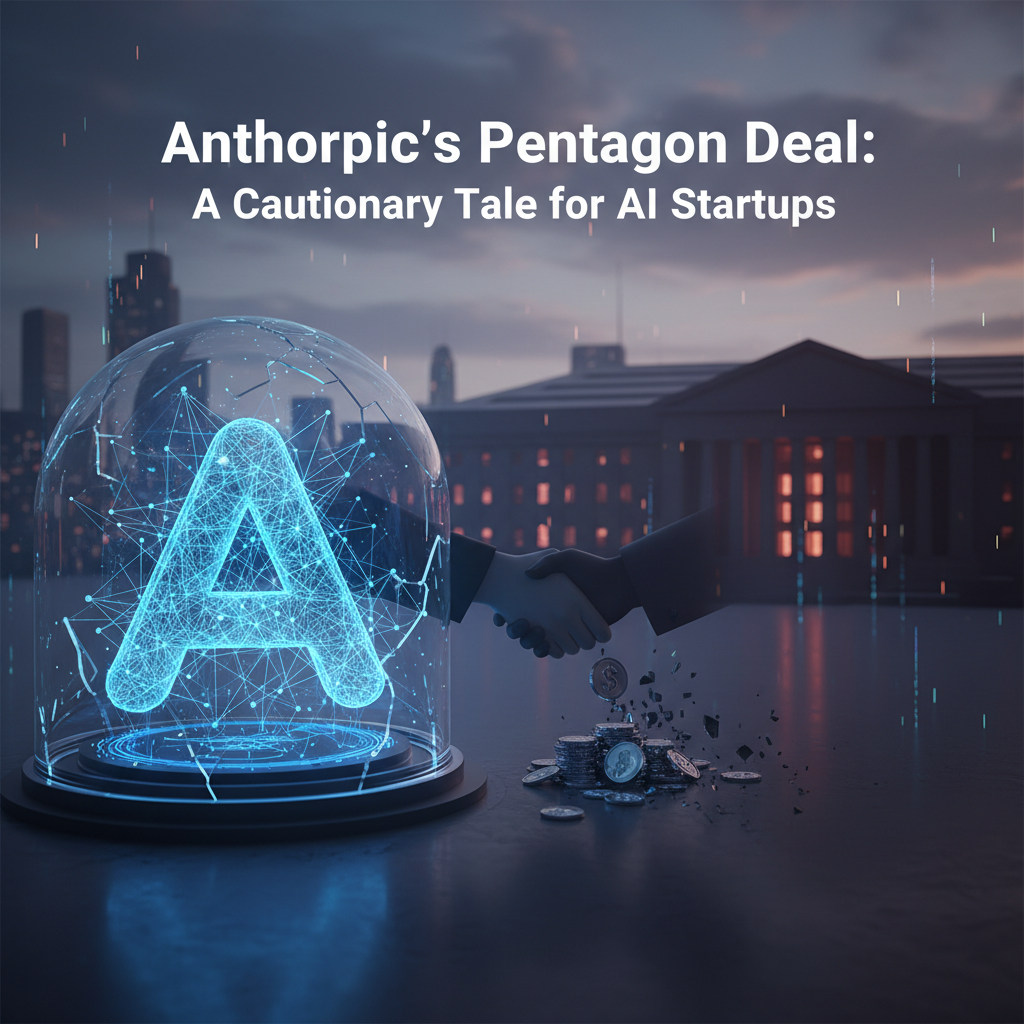
The fluorescent lights of the Anthropic headquarters hummed, reflecting off the polished conference table where, just weeks earlier, a $200 million deal with the Pentagon had seemed all but sealed. Now, the air in the room felt thick with a different kind of calculation.
The Pentagon had officially designated Anthropic a supply-chain risk. The sticking point? Control. Specifically, the level of control the military would have over Anthropic’s AI models, including their potential use in autonomous weapons systems and mass domestic surveillance. Sources say the negotiations dissolved over these terms.
“It’s a fundamental clash of cultures,” explained Dr. Emily Carter, a senior analyst at the Center for Strategic and International Studies, during a recent briefing. “The government wants assurances; the AI companies want freedom to innovate.”
The DoD, after Anthropic’s failure to comply, pivoted to OpenAI, which reportedly accepted the terms. Following this, ChatGPT uninstalls surged by 295%, a telling reaction in the market. This shift has sent ripples through the AI startup ecosystem, forcing founders and investors to re-evaluate their strategies. The question now is, what does this mean for the future?
The core issue revolves around the architecture of these large language models (LLMs). Training an LLM like Anthropic’s Claude requires massive computational power, often relying on thousands of GPUs. This is where the supply chain comes in. Companies like Anthropic rely on firms like Nvidia, but also on the foundries that manufacture the chips, which is a significant point of leverage for the government.
The details of the failed deal remain under wraps, but the implications are clear. For startups, chasing federal contracts means navigating a minefield of regulations, security protocols, and, of course, government oversight. One can imagine the internal debate at Anthropic: the allure of a massive contract versus the potential loss of control over their technology.
“The government’s primary concern is national security,” said a former Pentagon official, speaking on condition of anonymity. “They need to ensure these AI models aren’t used for malicious purposes, or, heaven forbid, turned against them.”
The fallout has been swift. Investors are now more cautious. The valuation of AI companies, once soaring, is facing increased scrutiny. The terms of future government contracts are being rewritten, with stricter clauses on data access, model transparency, and potential backdoors.
The future of AI startups and government contracts is uncertain. The balance between innovation and control, between autonomy and national security, is being redefined in real-time. It’s a lesson, perhaps, that some lessons are learned the hard way.
About the Author