The hum of servers fills the air. Inside a new AWS data center in Arizona, engineers are running thermal tests on the latest generation of AI-optimized chips. It’s a critical moment. The demand for processing power is exploding, and every watt counts. The stakes are high: training the next generation of large language models (LLMs) requires massive infrastructure, and that infrastructure needs copper.
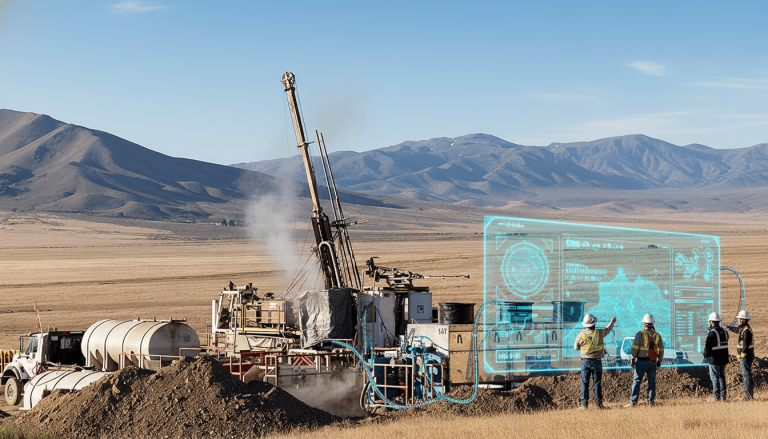
This is where the recently announced partnership between Amazon Web Services (AWS) and Rio Tinto comes into play. The two-year deal, as reported by Fox Business, will see Rio Tinto supply AWS with copper from an Arizona mine. The agreement anticipates the extraction of 14,000 metric tons of copper over four years. This isn’t just about wires; it’s about the very foundation of the AI revolution.
“Copper is the unsung hero of the AI boom,” says Jonathan Yates, a senior analyst at Gartner. “It’s the critical conductor, enabling the flow of power and data through these massive data centers.” He notes that the density of computing power in modern AI systems puts unprecedented strain on power delivery and heat dissipation. That’s why AWS is making this move. It’s all about securing the resources needed to scale their AI ambitions.
The details are still emerging, but the strategic implications are clear. Securing a reliable supply of copper insulates AWS from potential supply chain disruptions and volatile commodity prices. It’s a move that echoes the strategies of other tech giants, who are increasingly taking control of critical resources. And it’s a bet on the future, one that aligns with AWS’s aggressive expansion plans in the AI space.
For context, consider the scale. Each AI training run, or even the inference of a complex LLM, can consume the power of a small town. Servers, packed with GPUs and specialized AI chips, generate enormous heat, requiring sophisticated cooling systems and robust power grids. The Arizona mine is a strategic asset.
The deal also reflects the broader trend of companies seeking to control their supply chains. The global chip shortage, exacerbated by geopolitical tensions and manufacturing constraints, has made raw materials more valuable than ever. Securing a domestic supply of copper reduces Amazon’s exposure to these risks and aligns with the US government’s push for domestic procurement.
This isn’t just about today’s needs, either. AWS is likely looking ahead to the next generation of AI hardware, which will demand even more power and require even more robust infrastructure. The race to develop and deploy cutting-edge AI models is a marathon, not a sprint, and every advantage matters. Securing the copper supply is a crucial step.
About the Author