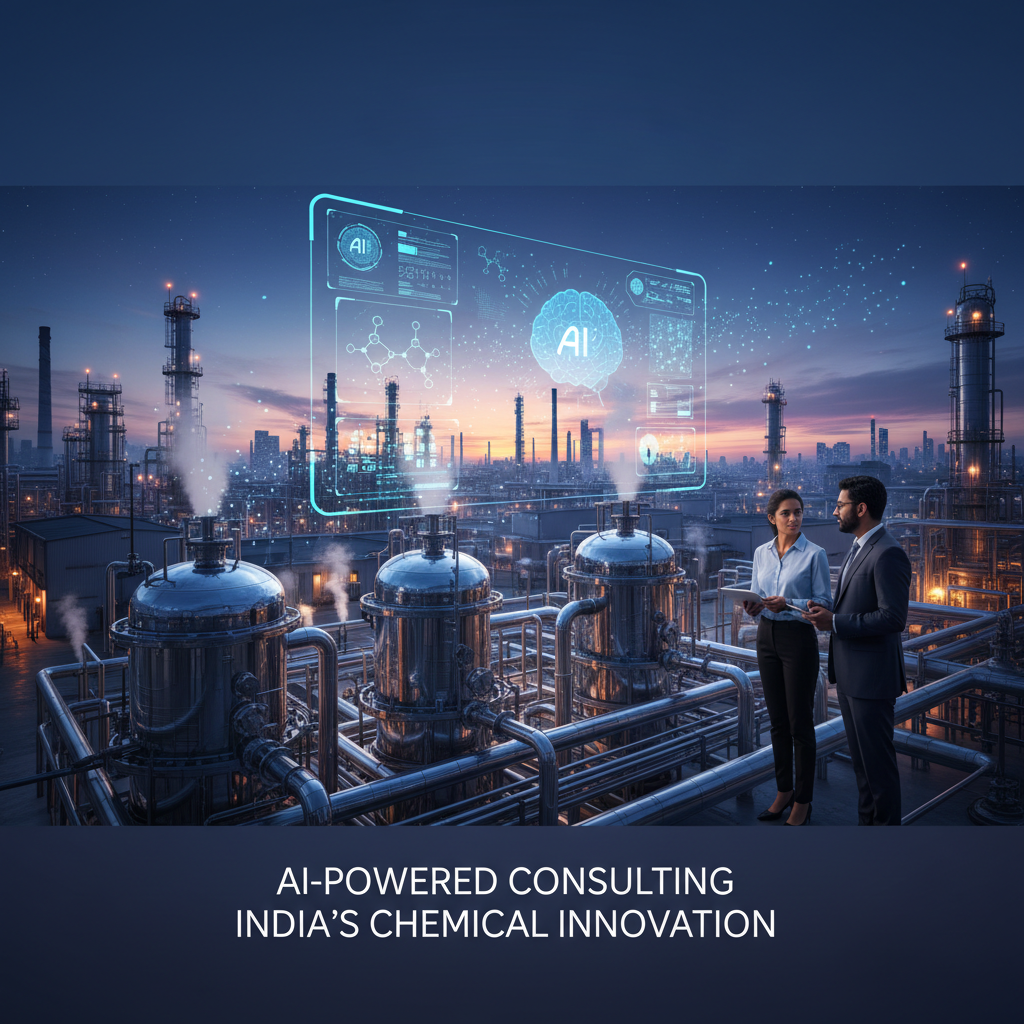
The hum of the reactors was a constant, a low thrumming that vibrated through the floor of the plant. Inside the control room, engineers at a major Indian chemical manufacturer, let’s call them ‘Apex Chemicals,’ were huddled around screens, reviewing the latest thermal tests. It was late 2024, and the pressure was on. Global competition, coupled with persistent supply chain disruptions, had Apex and its peers scrambling.
The solution, as many saw it, was digital transformation, specifically the integration of AI and automation. But how to do it? That’s where consulting firms entered the picture, promising AI-powered solutions tailored to the unique challenges of chemical manufacturing. It’s a trend that’s been accelerating since the beginning of the year.
“The Indian chemical industry is at a critical juncture,” explains Priya Sharma, lead analyst at a Mumbai-based consulting firm specializing in digital transformation for manufacturing. “Companies that embrace AI and automation will be the ones that thrive. Those that don’t, won’t.”
The core of this transformation involves leveraging AI to optimize various processes: predictive maintenance to minimize downtime, process optimization to enhance yield, and supply chain management to mitigate disruptions. One key area is predictive maintenance. By analyzing data from sensors embedded in machinery, AI algorithms can predict when equipment is likely to fail, allowing for proactive maintenance and reducing costly unplanned outages. Apex Chemicals, for example, implemented an AI-driven predictive maintenance system in Q3 2024, which they claim reduced downtime by 15% and cut maintenance costs by 10% within the first six months.
The consulting firms, in turn, are building on this demand. They provide the expertise and the tools, guiding companies through the complex process of digital transformation. This includes everything from assessing current infrastructure and identifying areas for improvement to implementing AI solutions and training employees. Many firms are offering specialized AI consulting services for chemical manufacturing, with teams of data scientists, engineers, and industry experts working together to develop customized solutions.
One of the biggest hurdles? Data. Chemical plants generate vast amounts of data, but much of it is unstructured or siloed. Consulting firms help companies consolidate and clean this data, making it usable for AI applications. They also help companies navigate the complexities of integrating AI with existing systems and ensuring data security.
The benefits are clear. Enhanced efficiency, reduced costs, and improved sustainability. By optimizing processes, companies can reduce waste, conserve energy, and minimize their environmental impact. This is not just about profits; it’s about staying competitive in a world that’s increasingly focused on sustainability. Or maybe that’s how the supply shock reads from here.
The shift to AI is not without its challenges. There’s the initial investment in technology and the need to upskill the workforce. There’s also the ongoing challenge of maintaining data security and ensuring that AI systems are used ethically. However, for the Indian chemical industry, the potential rewards are too significant to ignore. The market is projected to reach $300 billion by 2028, according to a recent report by the Federation of Indian Chambers of Commerce and Industry (FICCI). AI-powered consulting is not just an option; it’s becoming a necessity for companies looking to secure their future.
About the Author