The hum is constant, a low thrum punctuated by the whir of cooling fans. Inside the Meta data center in Newton County, Georgia, engineers pore over thermal tests, adjusting the flow of liquid coolant through racks of processors. It’s a scene playing out across the country, as the insatiable demand for AI pushes data center construction into overdrive.
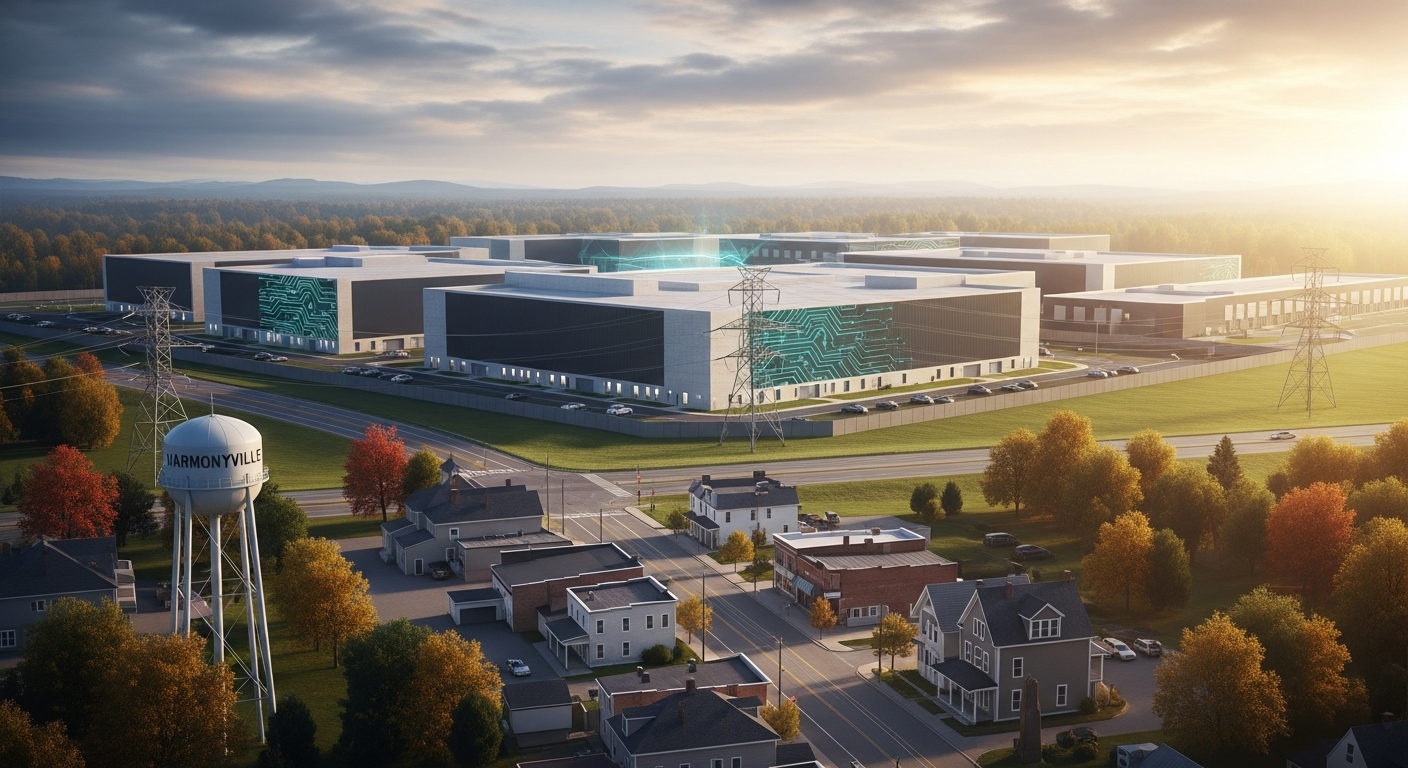
The digital gold rush is on. Fueled by the rapid advancement of AI, companies are scrambling to build out the infrastructure needed to train and run large language models (LLMs) and other compute-intensive applications. This translates to massive data centers, often located in unexpected places. Newton County, once a quiet rural area, is now a hub of technological activity, thanks to Meta’s significant investment there.
“We’re seeing unprecedented growth in data center demand,” says David Tepper, a senior analyst at Deutsche Bank. He projects a 25% increase in data center capacity over the next two years, driven primarily by AI workloads. That surge requires not just more space, but also advanced hardware like GPUs, the workhorses of AI processing.
The challenge? Supply. The global chip shortage, exacerbated by geopolitical tensions and export controls, has created bottlenecks. Companies like Nvidia are racing to meet demand, but the lead times for high-performance GPUs remain lengthy. The M100 and the upcoming M300, slated for release in 2026 and 2027, represent the cutting edge, but even these are subject to manufacturing constraints. This is where companies like TSMC and, potentially, SMIC, come into play – or maybe that’s how the supply shock reads from here.
The economic impact is undeniable. Data centers create jobs, from construction workers to highly skilled engineers. They also generate tax revenue, boosting local economies. In Newton County, the Meta data center has become a major employer, injecting capital into the local community. It’s a microcosm of a larger trend.
But the expansion isn’t without its challenges. Data centers consume vast amounts of power and water, raising environmental concerns. The competition for land and resources is also intensifying, especially in areas with limited infrastructure. The industry is actively seeking sustainable solutions, exploring renewable energy sources and more efficient cooling technologies.
“The race to build out AI infrastructure is a marathon, not a sprint,” notes a recent report from JPMorgan. “Companies that can secure a reliable supply of hardware and manage their resources effectively will be best positioned to capitalize on the AI boom.”
The scene shifts: a conference call. Executives are discussing project timelines. A slight pause, a sigh. The 2027 roadmap is ambitious, but the team knows the stakes. The digital gold rush is reshaping the American landscape, one data center at a time.
About the Author