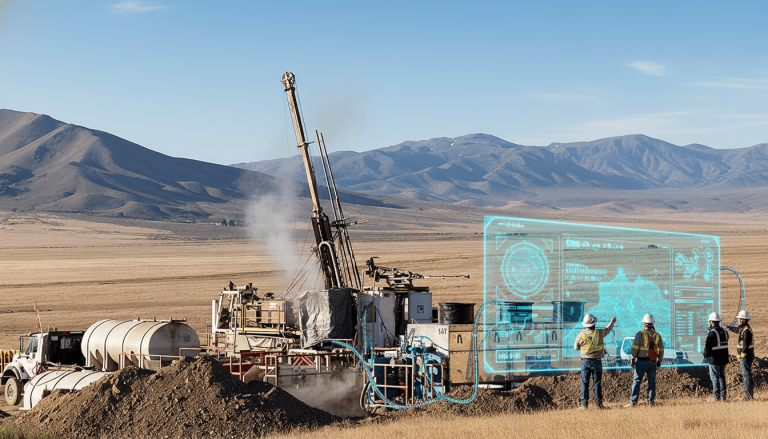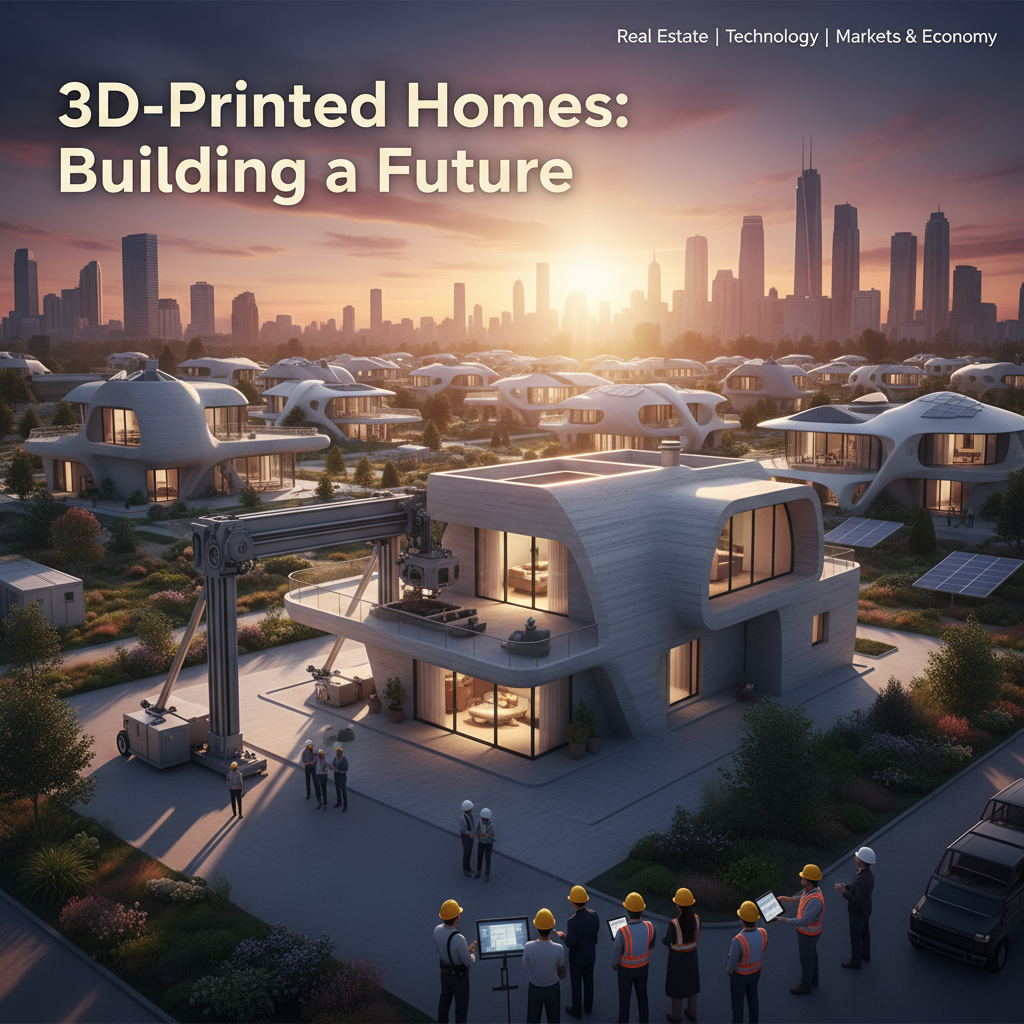
The hum of the gantry printer filled the air, a steady counterpoint to the rapid-fire questions during the all-hands meeting. Engineers from ICON, a prominent player in the 3D-printed home market, huddled around a projected thermal rendering. The image showed a cross-section of a wall, the printer’s layered concrete construction glowing with simulated heat signatures. It was late 2023, and the pressure was on. Demand for their homes was surging, but supply chain issues and material costs, well, they were a constant headache.
“We’re seeing a 30% reduction in build time compared to traditional methods,” announced Jason Ballard, ICON’s CEO, during a recent industry conference. He was referencing a project in Austin, Texas, where they constructed a 1,700-square-foot home in under a week. That’s the promise: faster, cheaper, and more sustainable housing. But the reality is more complicated.
The core technology involves large-scale 3D printers that extrude concrete, layer by layer, to build walls, and eventually entire homes. This method significantly reduces labor costs, a major factor in escalating construction expenses. According to a 2024 report by the National Association of Home Builders, the cost of materials has increased by nearly 20% in the last year alone, and labor shortages are worsening. 3D printing offers a potential workaround, but it also faces significant hurdles.
One challenge is scaling up production. While companies like ICON, Mighty Buildings, and SQ4D have made significant strides, mass adoption requires overcoming several obstacles. The consistency and availability of specialized concrete mixes are critical. Regulatory hurdles, including building codes and permitting processes, vary widely across different regions. And then there’s the issue of public perception—convincing potential homeowners that a 3D-printed home is as durable and desirable as a traditionally built one.
“The market is definitely moving,” says Alexi Lachambre, a real estate analyst at Zelman & Associates, a leading housing research firm. “We’re seeing early adopters, particularly in areas with acute housing shortages, but widespread acceptance will take time.” Lachambre estimates that the 3D-printed home market could reach $5 billion within the next five years, assuming that supply chain and regulatory bottlenecks can be addressed.
The pace of innovation is relentless. ICON has partnered with Lennar, one of the largest homebuilders in the U.S., on a project to build 100 homes in Texas. This collaboration signals a shift: from experimental projects to mainstream adoption. The partnership is targeting a build cost of around $200 per square foot, a significant saving compared to the national average. And it might be a game-changer.
Back in the ICON engineering lab, the team was running simulations, tweaking the concrete mix, and stress-testing the wall designs. The goal? To build homes that are not just cheaper and faster to construct, but also more resilient and sustainable. The future of housing, it seemed, was being built one layer at a time.
About the Author