UN Security Council Supports Moroccan Proposal for Western Sahara
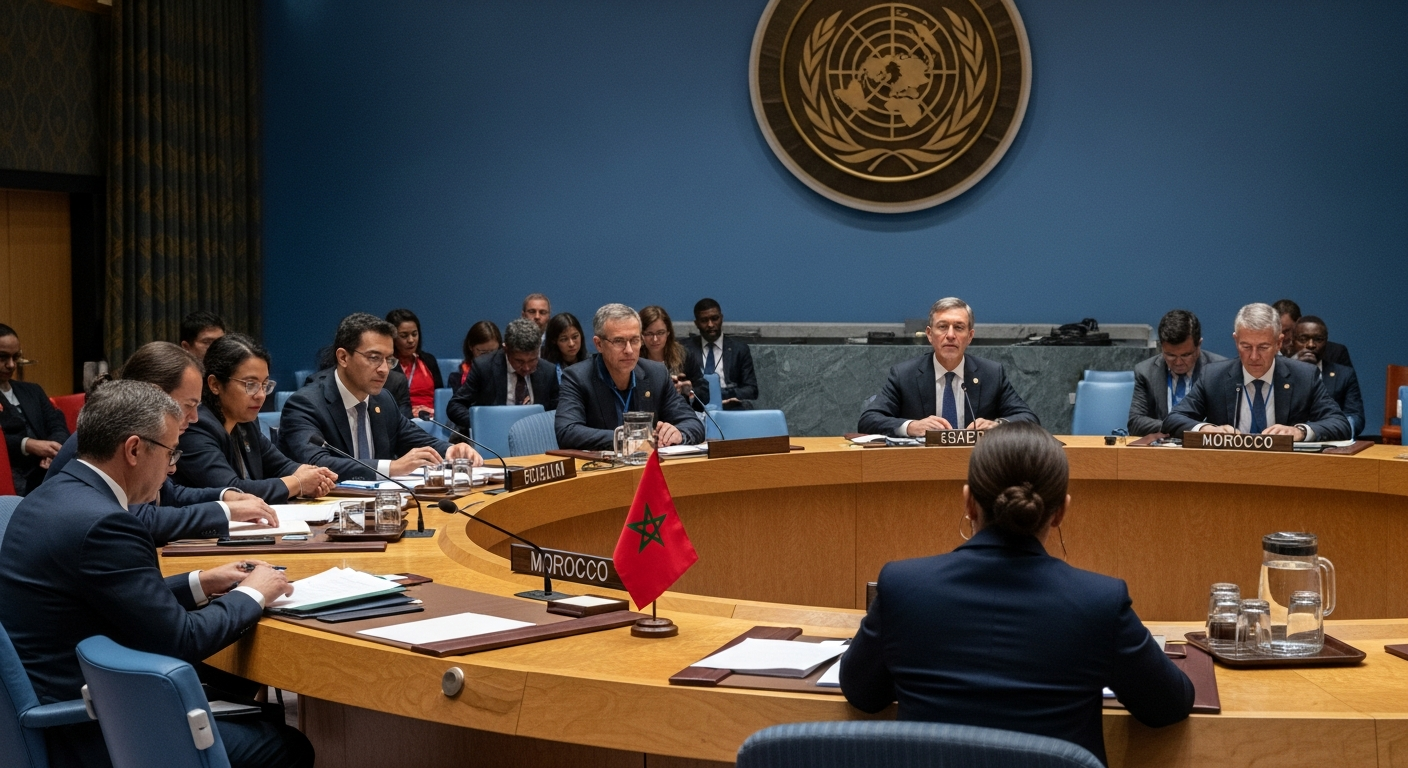
In a recent development, the UN Security Council voted on a resolution concerning the Western Sahara, signaling increased international support for Morocco’s proposal. This proposal suggests granting the disputed territory autonomy under Moroccan sovereignty, a move that could potentially reshape the decades-long conflict. This article explores the details of this proposal and its implications.
The Moroccan Proposal: A Path to Autonomy
Morocco’s proposal centers on offering the Western Sahara autonomy within its sovereignty, a strategy seen by some, including the United States, as the sole realistic solution to end the conflict. This initiative comes after years of dispute with the Polisario Front, which is backed by Algeria, and demands the region’s independence.
Morocco presented its initiative for negotiating an autonomy system for the Sahara region on April 11, 2007. This was in response to calls from the UN Security Council, which is handling the dispute, to reach a final political solution. Following the United States’ recognition of Morocco’s sovereignty over the disputed region in late 2020, as part of the normalization agreement between Israel and Arab countries, Rabat has gained support from Western countries, including France and Britain, both permanent members of the Security Council.
Key Provisions and Potential Outcomes
The proposal suggests transferring some executive, legislative, and judicial powers to the autonomous region, allowing its residents to manage their affairs democratically. Morocco, however, would retain central authority over key areas such as defense and foreign relations. The autonomous region, according to the plan, would exercise its executive powers through a government headed by a president elected by the regional parliament and appointed by the King. The regional parliament would consist of members elected by various Sahrawi tribes and others elected by direct general suffrage.
The Moroccan proposal is not final but is offered for negotiation with the Polisario Front, which has, so far, rejected it. The Polisario Front insists on holding a referendum to determine the region’s fate, as stipulated in the 1991 ceasefire agreement brokered by the UN, though this has not yet materialized. Morocco controls the majority of the region, considering it part of its territory before Spanish colonization in the late 19th century. Morocco asserts that its sovereignty over the region will not be subject to negotiation.
Looking Ahead
The final form, which Morocco hopes will result from negotiations, will be presented to the concerned population through a free referendum within a democratic consultation. Morocco will issue a general pardon after the disarmament of the fighters in the Polisario Front. The Polisario Front has been calling for a UN-sponsored referendum to determine the region’s fate for decades. The referendum was supposed to take place in 1991 after the ceasefire, but it did not happen.
The recent Security Council vote reflects a shifting international landscape concerning the Western Sahara conflict. As discussions continue, the focus remains on finding a lasting solution that respects the rights and aspirations of all parties involved, while also considering the strategic interests of the region and the broader international community.
About the Author