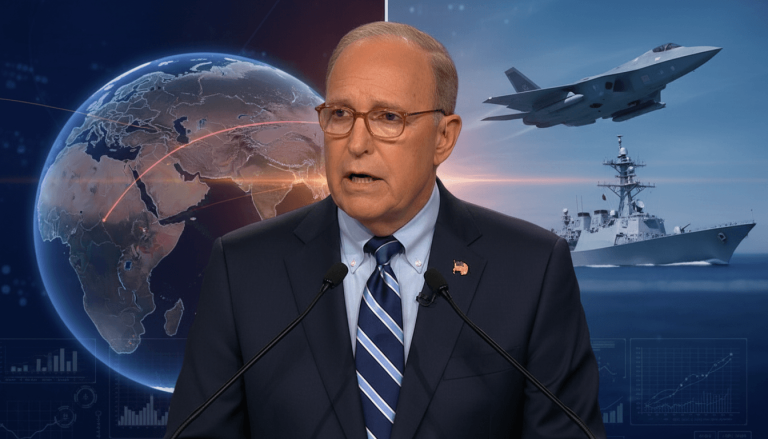
Trump’s China Trade Moves: Fentanyl Tariffs Cut, Rare Earths Curbs Delayed
In a recent development, former President Trump revealed a significant shift in trade policy, impacting relations between the United States and China. The former president stated that he would be cutting fentanyl tariffs on China to 10%. This decision was announced concurrently with an agreement to delay the latest rare earth curbs by a year. The announcement underscores the complex dynamics of US-China trade relations, especially in sectors critical to both nations.
Key Policy Changes
The core of the announcement involves two primary actions. Firstly, the reduction of tariffs on fentanyl imported from China. Secondly, the agreement to postpone the implementation of the latest rare earth curbs for a year. These decisions reflect a strategic approach to trade negotiations, potentially aimed at balancing economic interests with public health concerns. The reduction in fentanyl tariffs may be seen as a gesture of goodwill, while the delay in rare earth curbs provides China with additional time to comply with trade regulations. These WHAT entities are critical to understanding the scope of the agreement.
Strategic Context
The timing of these trade adjustments is significant. Trump indicated that he plans to visit China in April, followed by a visit from Xi to the U.S., without specifying a timeline. The WHERE entities, China and the U.S., are central to the unfolding trade narrative. These planned visits suggest ongoing efforts to strengthen trade relations and address outstanding issues. The HOW, in this case, involves strategic delays and tariff adjustments, which are pivotal in the negotiations. The WHY behind these moves likely involves a desire to stabilize trade relations and address key economic and political interests.
Impact and Implications
These policy changes are likely to have broad implications. The reduction in fentanyl tariffs could affect the flow of goods and impact efforts to combat the opioid crisis. The delay in rare earth curbs offers China some relief in terms of trade compliance. The WHO entities, Trump and Xi, are central to the unfolding negotiations. The success of these trade agreements will depend on the details of the deals and the willingness of both sides to adhere to the terms. The WHEN of these events, particularly the planned visits in April and beyond, will be essential in assessing the future of US-China trade relations.
Conclusion
The recent trade decisions by Trump represent a critical juncture in US-China relations. The interplay of tariff adjustments, delays, and diplomatic visits highlights the complexities of international trade. As the situation unfolds, it will be essential to monitor the outcomes of these negotiations and their impact on both the U.S. and China.
About the Author