Trump’s Call to Restart Nuclear Tests Raises Global Concerns
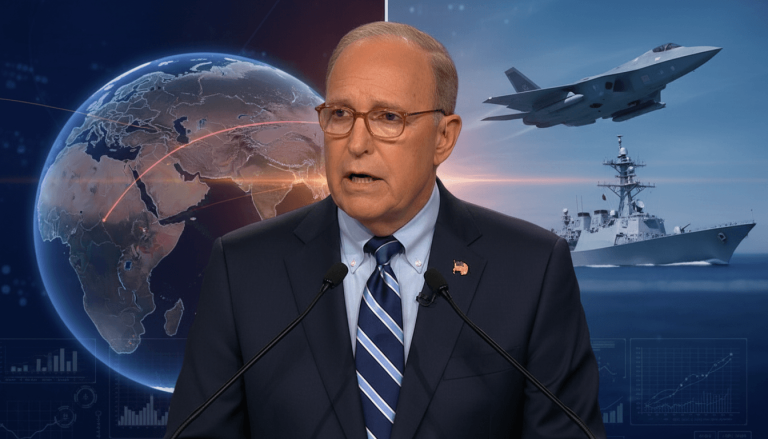
In a move that has sent ripples across the international community, former President Donald Trump announced his intention to restart nuclear weapons testing. The announcement, made via Truth Social, has raised significant concerns, particularly given its departure from decades of established U.S. policy.
The Announcement and Its Implications
Trump stated he had instructed the Pentagon to immediately begin testing nuclear weapons, citing a need to match the “testing programs” of other nations. While the exact nature of these tests remains unclear—whether they involve explosive tests of nuclear warheads or the systems designed to deliver them—the implications are significant. This directive appears to upend the moratorium enacted by George H.W. Bush at the end of the Cold War in 1992, the last year the U.S. conducted such tests.
Context and Contradictions
Trump’s post contained several inaccuracies. For instance, it’s Russia, not the U.S., that currently possesses the world’s largest nuclear stockpile. Furthermore, with the exception of North Korea, no country is confirmed to have tested nuclear weapons since the 1990s, according to the UN. The U.S. is also a signatory to the international treaty banning nuclear weapons tests, though it has not ratified it. These details highlight the complexities and potential risks associated with this policy shift.
Global Reactions and International Relations
The timing of Trump’s announcement, just before his anticipated meeting with China’s Xi Jinping, which resulted in reduced tariffs on Chinese imports, adds another layer of complexity. The decision to resume testing could strain international relations, especially with countries like Russia and China, and potentially undermine existing arms control agreements. The Nobel committee is surely watching this development, as it affects international relations and national security.
Looking Ahead
The potential restart of nuclear weapons testing by the U.S. raises critical questions about global security and the future of arms control. The international community will be watching closely as the situation unfolds, assessing the impact on existing treaties, and considering the broader implications for global stability.
About the Author