Rising Electricity Bills Fuel Midterm Debates
For many Americans, rising electricity bills are becoming a monthly concern and a growing factor in the upcoming midterm elections. Unlike fluctuating costs like gasoline, electricity is a consistent, essential expense tied to basic needs, making it politically sensitive during widespread inflation and high housing costs.
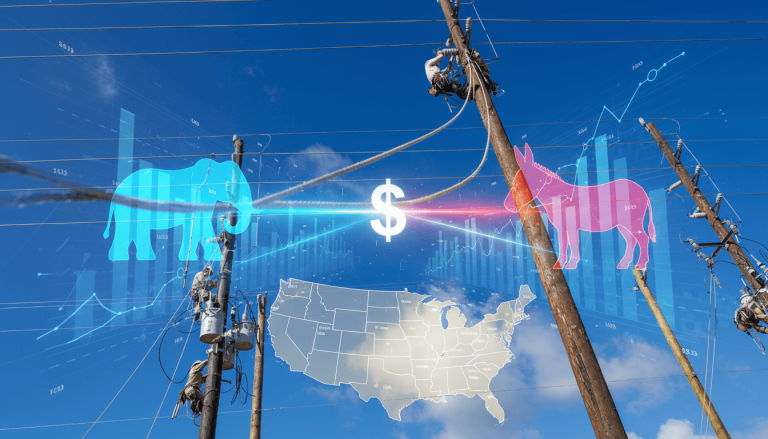
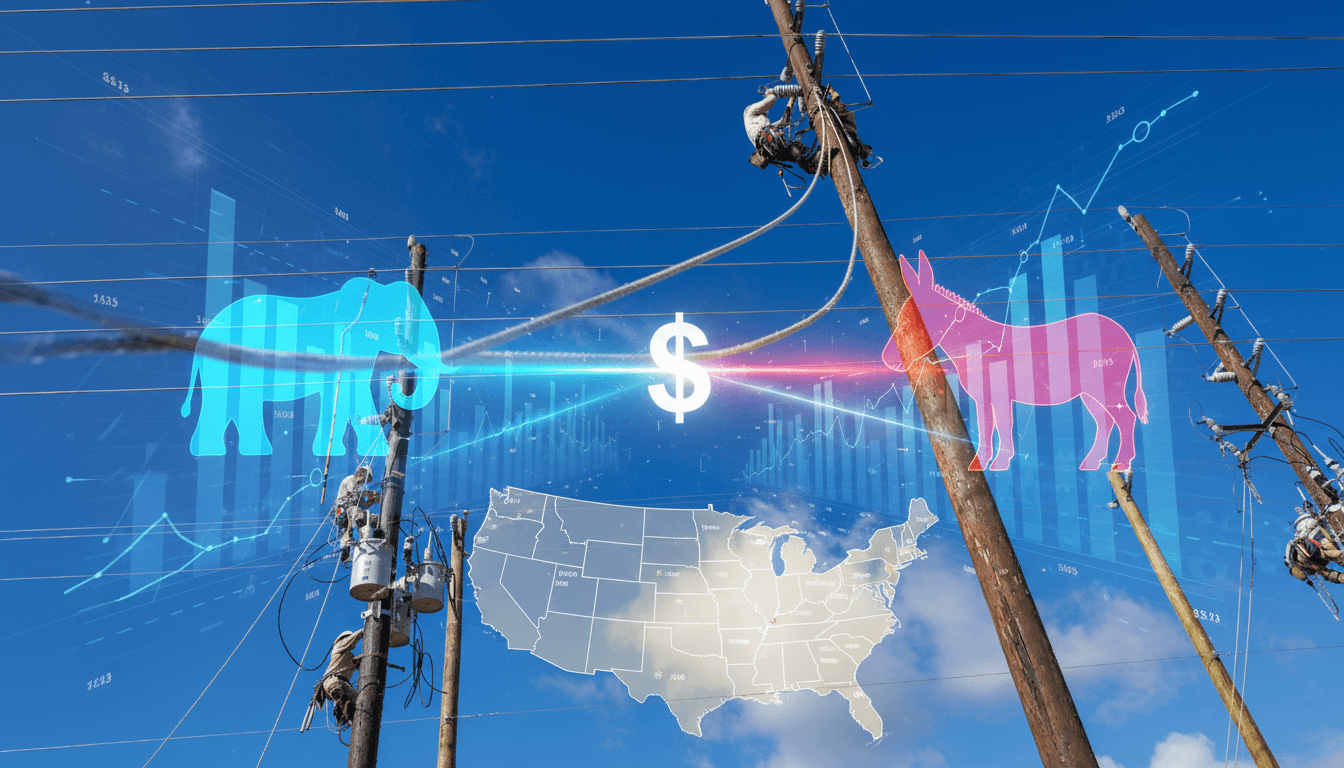
The issue provides fresh ammunition for both parties. Republicans are using higher bills as evidence of failed energy policies and a shift away from fossil fuels, while Democrats point to assistance programs and clean energy incentives to ease household budget pressures over time.
The debate unfolds amid regional divides in electricity prices. U.S. Energy Information Administration data shows residential power costs vary widely across the country, highlighting affordability pressures based on geography, infrastructure, and energy mix.
The national average stands at 17.24 cents per kilowatt-hour, up 6% from a year earlier. North Dakota has the lowest average residential electricity rate at 11.02 cents per kilowatt-hour, while Hawaii has the highest at 41.62 cents per kWh.
Nebraska, Idaho, Oklahoma, and Arkansas also rank among the cheapest states, while California, Rhode Island, Massachusetts, and New York join Hawaii among the most expensive. Many higher-cost states are pursuing clean energy transitions or maintaining older grid systems, which can raise near-term costs while aiming to stabilize prices long-term.
Several of the cheapest states are deeply Republican, a pattern Republicans are likely to seize on to reinforce arguments about energy policy and cost of living, even though power prices are shaped by geography, fuel availability, regulatory structures, and long-term infrastructure investments.
Utilities are also seeking rate increases in many states to cover grid modernization, wildfire mitigation, storm hardening, and renewable energy expansion, costs that are often passed on to consumers gradually.
Gas prices may grab headlines, but electricity bills can be more politically durable because they arrive every month and are harder to cut quickly. This gives candidates a way to connect national energy debates to a tangible, recurring household cost and voter frustration.
About the Author