Indian Restaurants Sound Alarm on Potential LPG Cylinder Shortage
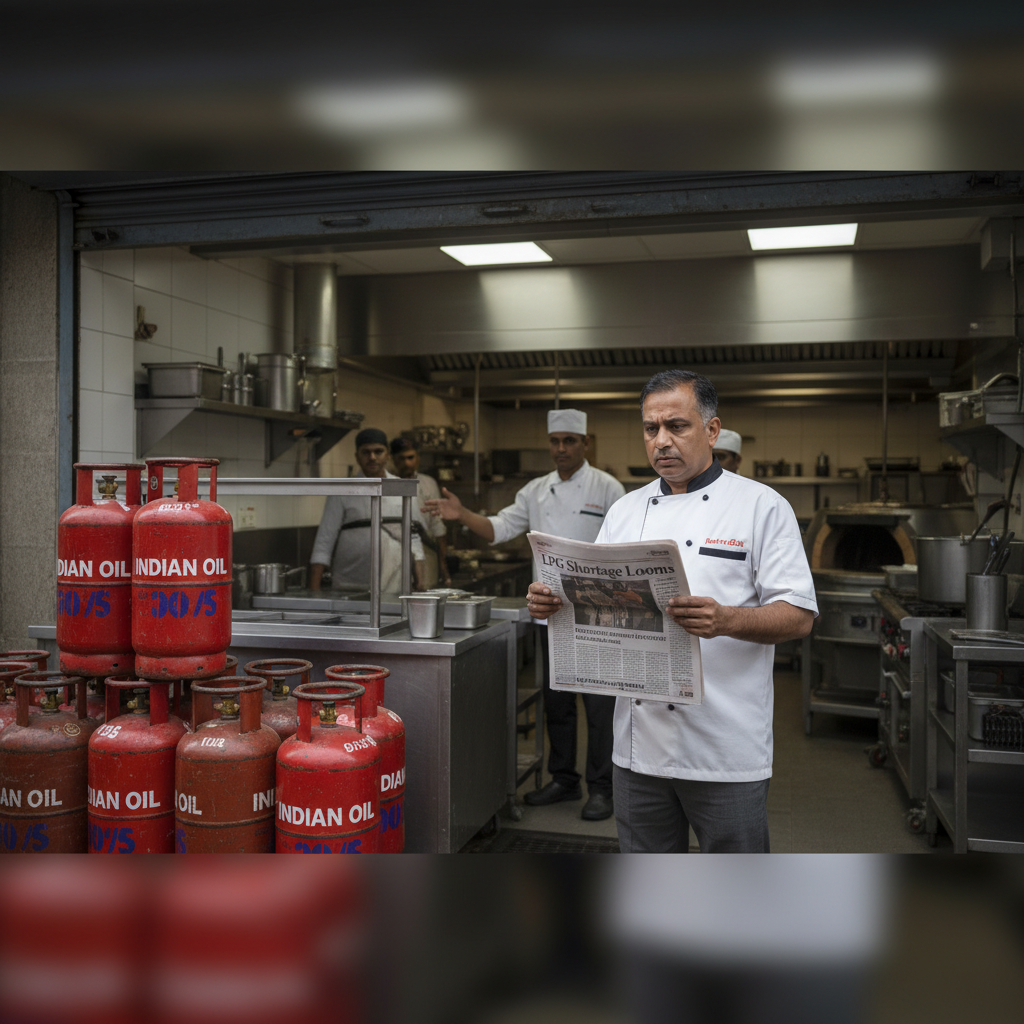
The culinary landscape of India, a vibrant tapestry woven with flavors and experiences, could face significant disruption. The National Restaurant Association of India (NRAI) has raised serious concerns regarding a potential shortage of commercial Liquefied Petroleum Gas (LPG) cylinders, a critical element in the daily operations of countless restaurants across the nation. This situation has prompted the NRAI to alert the Petroleum Minister, signaling the gravity of the potential crisis.
The Threat of Restaurant Closures
The core issue revolves around the availability of commercial LPG cylinders. Restaurants, the heart of the hospitality sector, rely heavily on a consistent supply of these cylinders to fuel their kitchens. A disruption in this supply chain could lead to widespread restaurant closures, impacting not only businesses but also the livelihoods of countless individuals employed within the industry. The potential for such closures has understandably triggered alarm bells within the sector.
Industry Response and Government Intervention
The Bangalore Hotels Association is reportedly considering a protest in response to the looming threat, highlighting the urgency and seriousness of the situation. This potential action underscores the critical need for immediate intervention. The core demand is straightforward: ensure an uninterrupted supply of commercial LPG cylinders. The hotel industry is classified as an essential service, and continuous operation is vital for maintaining economic activity and serving the public. The government’s role in this scenario is crucial; it must proactively address the potential shortage to prevent widespread disruption.
The Broader Implications
The potential LPG cylinder shortage extends beyond the immediate impact on restaurants. It touches upon supply chains, the economy, and the overall stability of the hospitality sector. Ensuring the smooth operation of essential services like restaurants requires proactive measures and efficient resource management. This situation presents a clear challenge, demanding swift and effective action from the relevant authorities.
As the NRAI has alerted the Petroleum Minister about the looming crisis, the focus now shifts to the government’s response. The industry is looking for decisive action to avert the potential shortage and prevent the negative consequences it could bring. The outcome of this situation will significantly impact the restaurant industry and, by extension, the broader economy. The government’s response will be critical in shaping the future of the hospitality sector in India.
Source: Economic Times
About the Author