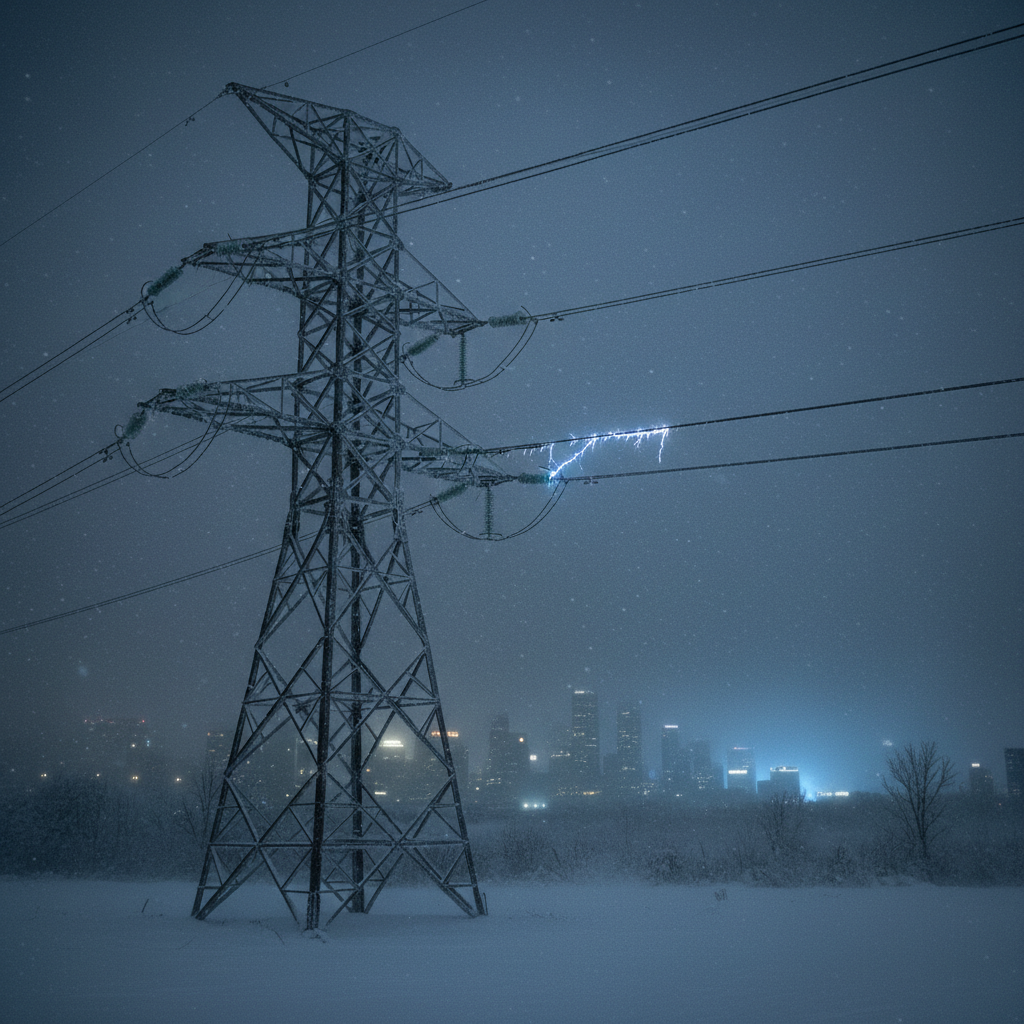
A severe winter storm is currently sweeping across the United States, placing significant strain on the nation’s power grid. Grid operators are working to avert potential blackouts as extreme weather fuels a surge in heating demand, simultaneously disrupting natural gas delivery systems nationwide. This situation underscores the vulnerability of critical infrastructure to increasingly volatile weather patterns.
Context: The core issue revolves around the confluence of heightened energy demand and constrained supply. As temperatures plummet during the winter, households and businesses ramp up their heating, which, in turn, increases the demand for electricity and natural gas. Simultaneously, the storm is disrupting the delivery of natural gas, a key fuel source for many power plants. This creates a precarious balance where the supply struggles to keep pace with demand.
Analysis: The current situation highlights several strategic vulnerabilities. First, the reliance on natural gas as a primary fuel source exposes the grid to supply chain disruptions during extreme weather events. Second, the increasing frequency and intensity of such events, likely exacerbated by climate change, necessitates more resilient infrastructure. This includes upgrading grid components, diversifying energy sources, and improving forecasting capabilities.
Implications: The immediate implication is the potential for localized or even widespread blackouts, which can have severe consequences for public safety and economic activity. Beyond the immediate crisis, this situation could accelerate investments in renewable energy sources, energy storage solutions, and smart grid technologies. These technologies can enhance the grid’s flexibility and resilience. Moreover, it underscores the need for proactive measures by grid operators, including demand response programs and emergency protocols, to mitigate the impact of extreme weather events.
Who: Grid operators across the US are at the forefront, deploying emergency measures. Their actions are critical to maintaining power supply.
What: The massive winter storm is the primary event, straining the US power grid. This includes increased heating demand and disruptions to natural gas delivery systems.
Where: The entire situation is unfolding across the US, with nationwide implications.
When: This is happening now, during the winter season.
How: Grid operators are deploying emergency measures to maintain the power supply.
Why: The main goal is to avoid blackouts, while extreme weather drives heating demand and strains natural gas delivery systems.
In conclusion, the current winter storm serves as a stark reminder of the challenges facing the US power grid. It also highlights the urgent need for strategic investments and proactive measures to ensure a reliable and resilient energy supply in the face of increasingly unpredictable weather patterns.
About the Author