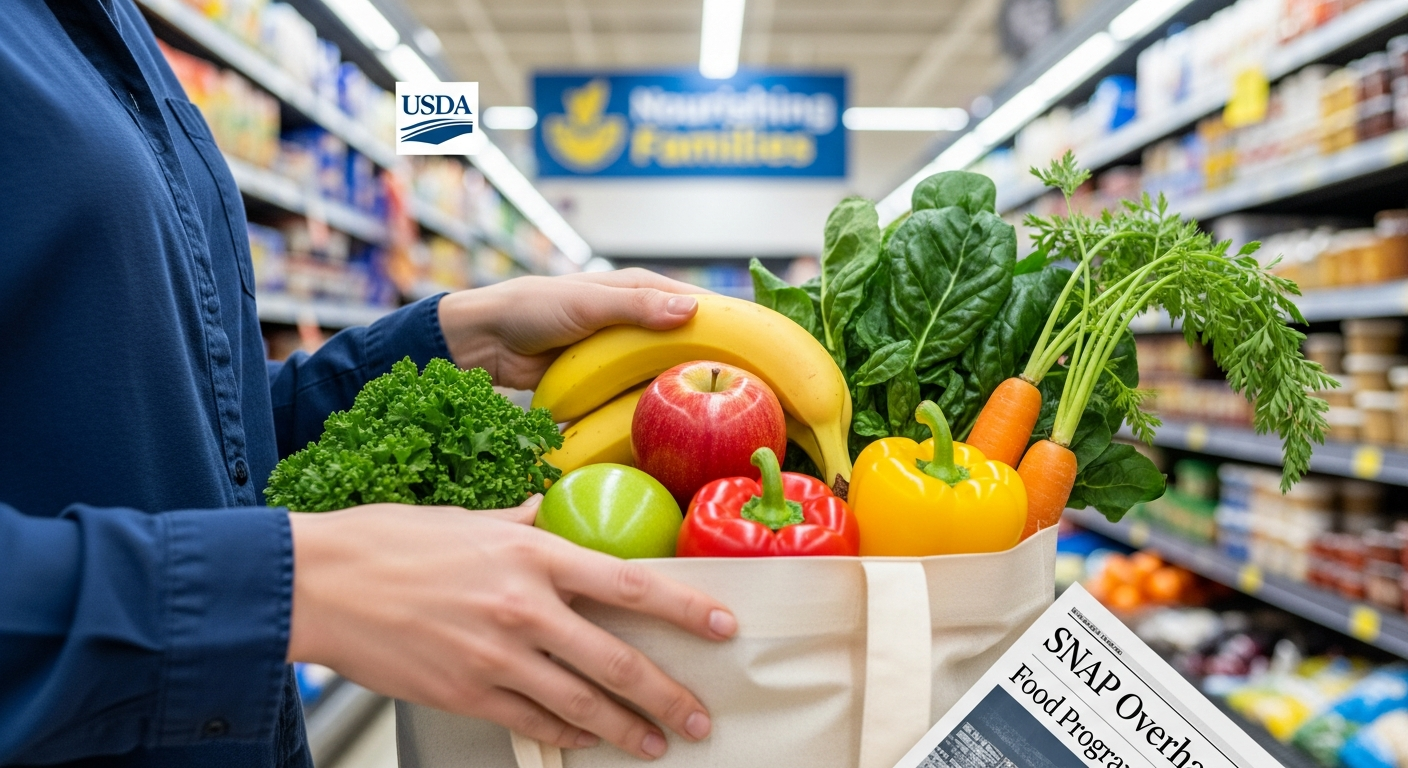
The U.S. Department of Agriculture (USDA) is moving forward with a significant overhaul of the Supplemental Nutrition Assistance Program (SNAP), citing concerns that the program is “out of control.” This initiative, reported by Fox Business, reflects a broader strategy to address rising healthcare costs and improve public health outcomes by shifting the focus of nutrition funding.
The core of the USDA’s plan involves a redirection of SNAP benefits. The aim is to channel funds towards healthier food options, with an emphasis on products grown within the United States. This strategic pivot is motivated by the desire to reduce the prevalence of chronic diseases, which are often linked to poor dietary choices.
This reform initiative comes at a time when the economic landscape is marked by fluctuations in market trends and increased healthcare spending. The USDA’s decision to target SNAP underscores the government’s role in influencing both economic and healthcare sectors. By adjusting how nutrition assistance is allocated, the USDA hopes to create a ripple effect that benefits both individual health and the broader economy.
The USDA’s approach is multifaceted, focusing not only on the types of foods available through SNAP but also on where those foods originate. The emphasis on American-grown products could potentially support domestic agriculture while simultaneously influencing consumer behavior toward healthier eating habits. This strategy reflects a growing recognition of the interconnectedness of food systems, health outcomes, and economic policy.
The implications of this SNAP overhaul are far-reaching. It could influence the food industry, impact consumer choices, and affect the allocation of resources within the healthcare system. The USDA’s actions signal a proactive stance on addressing chronic disease through policy and program adjustments, highlighting the government’s commitment to public health.
About the Author