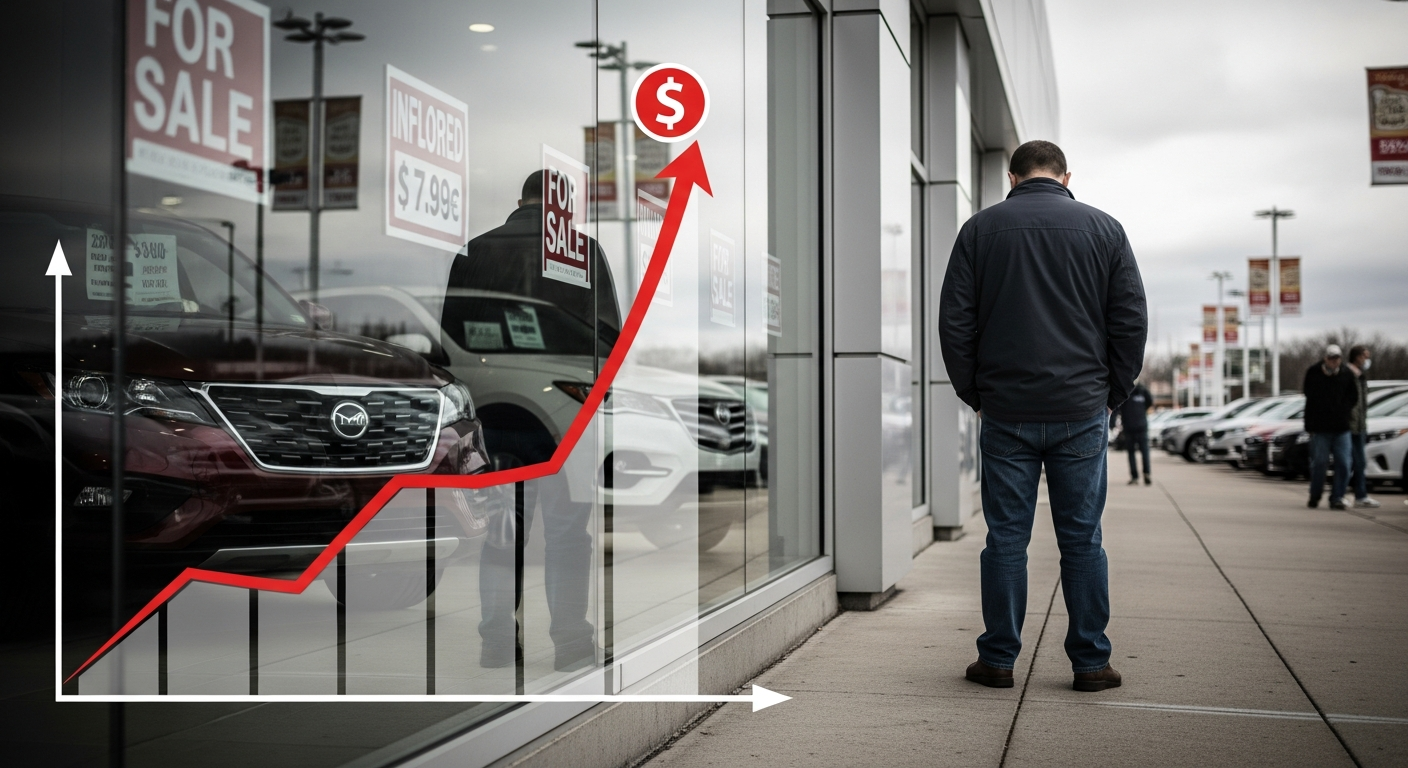
The sticker shock is real. Shoppers are increasingly finding new cars out of reach as prices hit record highs, exacerbating an affordability crisis in the automotive market. This trend, coupled with persistent used car inventory shortages, is leaving many buyers with limited options and stretched budgets, according to the latest business news on Fox Business.
The core problem? The cost. The average monthly payment for a new car has climbed to a staggering $766. This figure reflects not just the rising prices of vehicles themselves, but also the impact of interest rates and other financing costs. For many consumers, this represents a significant increase in their monthly expenses, forcing them to re-evaluate their purchasing decisions.
The situation is further complicated by the used car market. While often seen as a more affordable alternative, the inventory of used cars has been constrained. This scarcity drives up prices, offering little relief to buyers looking for a more budget-friendly option. The interplay of these factors creates a challenging environment for anyone in the market for a vehicle.
The high prices and limited options are indicative of broader market trends and economic pressures. The automotive industry is grappling with supply chain issues, rising production costs, and shifts in consumer behavior. These factors, combined with inflation and economic uncertainty, are contributing to the affordability crisis. As a result, shoppers are delaying purchases, opting for less expensive models, or exploring alternative transportation solutions.
In conclusion, the current state of the car market presents a significant challenge for both consumers and the industry. High prices, driven by a combination of factors, are pushing shoppers out of the new car market. The lack of affordable options in the used car market further compounds the problem. The implications are broad, affecting consumer spending, market dynamics, and the overall health of the economy.
About the Author