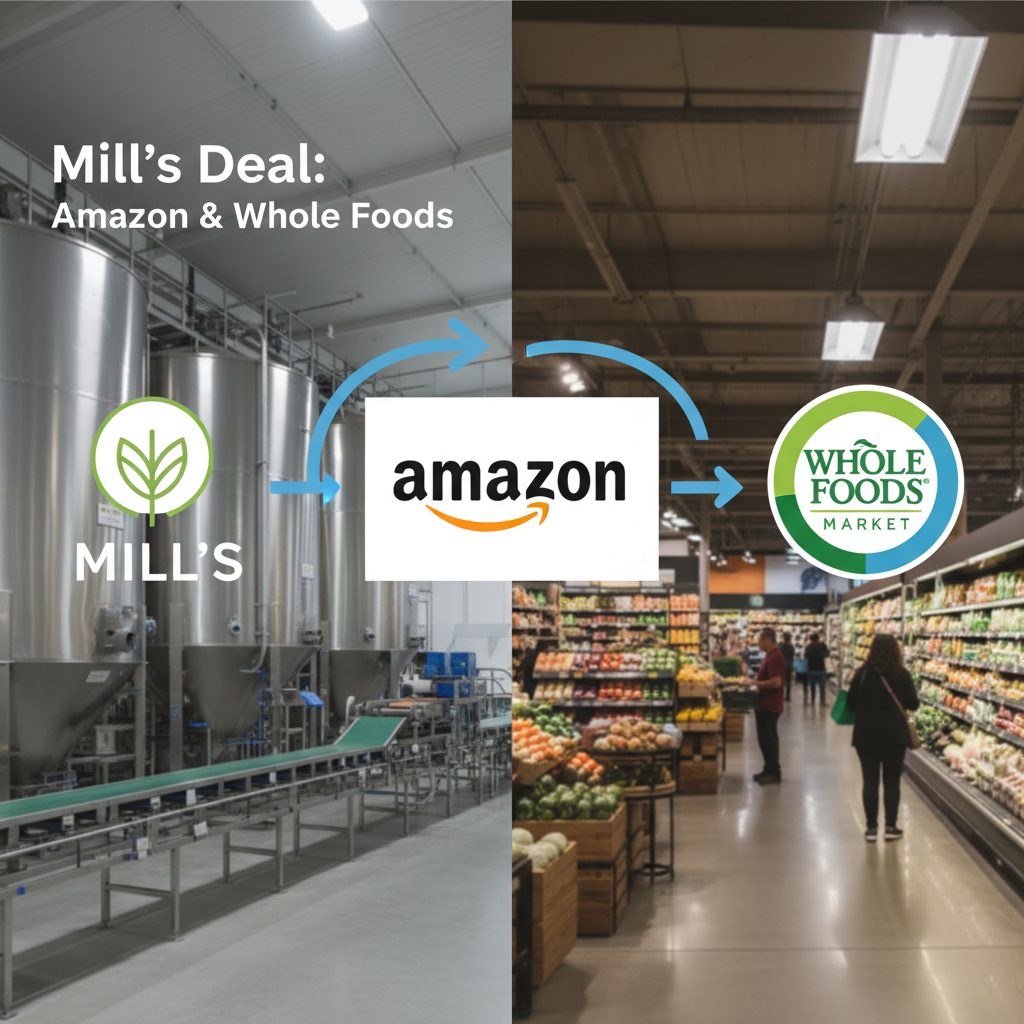
In a significant win for food waste reduction, Matt Rogers’s startup, Mill, has finalized a deal to place its commercial food waste bins in grocery stores throughout the U.S. This strategic move, highlighted in a December 24, 2025, TechCrunch article, marks a major step for Mill in its mission to combat food waste.
The Deal and Its Significance
The partnership with Amazon and Whole Foods provides Mill with a crucial platform to expand its operations. This collaboration allows Mill to deploy its innovative commercial food waste bins in various grocery stores. This not only increases Mill’s market presence but also aligns with the growing consumer and corporate focus on sustainability. The deployment of these bins is designed to help reduce the amount of food waste sent to landfills, converting it into valuable resources.
Matt Rogers’s Strategic Approach
The success of the deal can be attributed to Matt Rogers’s strategic approach to preparing his startup for success. Rogers likely focused on demonstrating the value proposition of Mill’s technology, emphasizing its ability to reduce waste and offer environmental benefits. He probably also highlighted the potential cost savings and positive brand image associated with adopting Mill’s solutions. Securing partnerships with major players like Amazon and Whole Foods would have required a clear understanding of their sustainability goals and a tailored approach to meet their specific needs.
What This Means for the Future
The deal between Mill, Amazon, and Whole Foods is a testament to the increasing importance of sustainable practices in the retail sector. It shows a growing trend towards integrating eco-friendly solutions into core business operations. For Mill, this partnership opens doors to significant growth and the opportunity to make a tangible impact on reducing food waste. This also sets a precedent for other startups in the sustainability space, demonstrating the potential to partner with large corporations to achieve environmental goals.
Implications for Startups, Retail, and the Economy
This deal has broad implications. For startups, it highlights the importance of aligning with the sustainability goals of larger companies. In retail, it underscores the need to adopt innovative waste management solutions. Economically, it supports the growth of the circular economy by converting waste into valuable resources. The success of Mill’s deployment in the U.S. grocery stores could influence other retailers to follow suit, leading to a wider adoption of sustainable practices and further reducing environmental impact.
About the Author