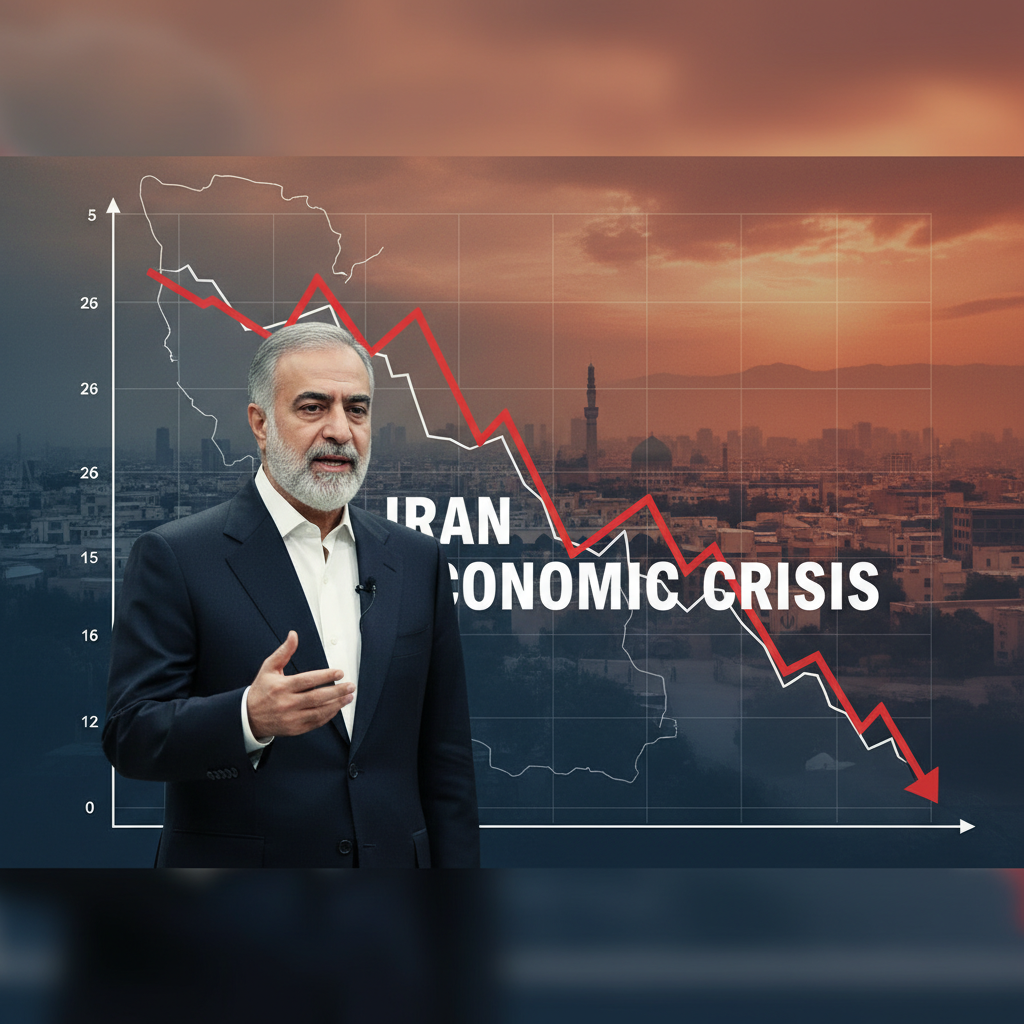
The current state of Iran’s economy and political landscape is under intense scrutiny as former Crown Prince Reza Pahlavi claims the regime is “on its last leg.” This assessment comes amid a worsening economic crisis, prompting discussions about the potential for significant political change within the country. The former crown prince’s statements highlight the precarious situation faced by the Iranian government and the growing calls for a transition towards democracy.
The Economic Crisis in Iran. Iran’s economy has been struggling for years, marked by high inflation, currency devaluation, and widespread unemployment. These economic woes have fueled public discontent and led to protests across the country. The imposition of international sanctions has further exacerbated the situation, limiting Iran’s access to global markets and hindering its ability to conduct international trade. These financial pressures have significantly impacted the daily lives of Iranian citizens, contributing to the sense of crisis.
Prince Reza Pahlavi’s Perspective. Prince Reza Pahlavi, a prominent figure in the Iranian opposition, has been a vocal critic of the current regime. He advocates for a democratic transition and has called for increased international pressure on the government. His stance reflects the views of many Iranians who seek political and economic reforms. The prince believes that maximum pressure, including sanctions and diplomatic isolation, is crucial to trigger the collapse of the current regime and pave the way for a democratic future. His perspective provides insight into the strategies and goals of the opposition.
The Strategy for Democratic Transition. The push for a democratic transition involves a multi-faceted approach. International pressure, such as sanctions, aims to weaken the regime’s economic base and limit its ability to fund its activities. Simultaneously, support for civil society and pro-democracy movements within Iran is essential. This strategy seeks to empower the Iranian people to demand political and economic reforms. The ultimate goal is to establish a government that respects human rights, promotes economic prosperity, and integrates Iran into the global community.
Implications and Future Outlook. The potential collapse of the Iranian regime could have significant implications for the Middle East and the international community. A democratic transition could lead to increased stability and cooperation in the region, along with improved relations with the West. However, the path to democracy is often fraught with challenges, including potential instability and resistance from hardline elements within the regime. The international community is closely watching the situation, ready to support a peaceful and democratic transition while mitigating potential risks.
About the Author