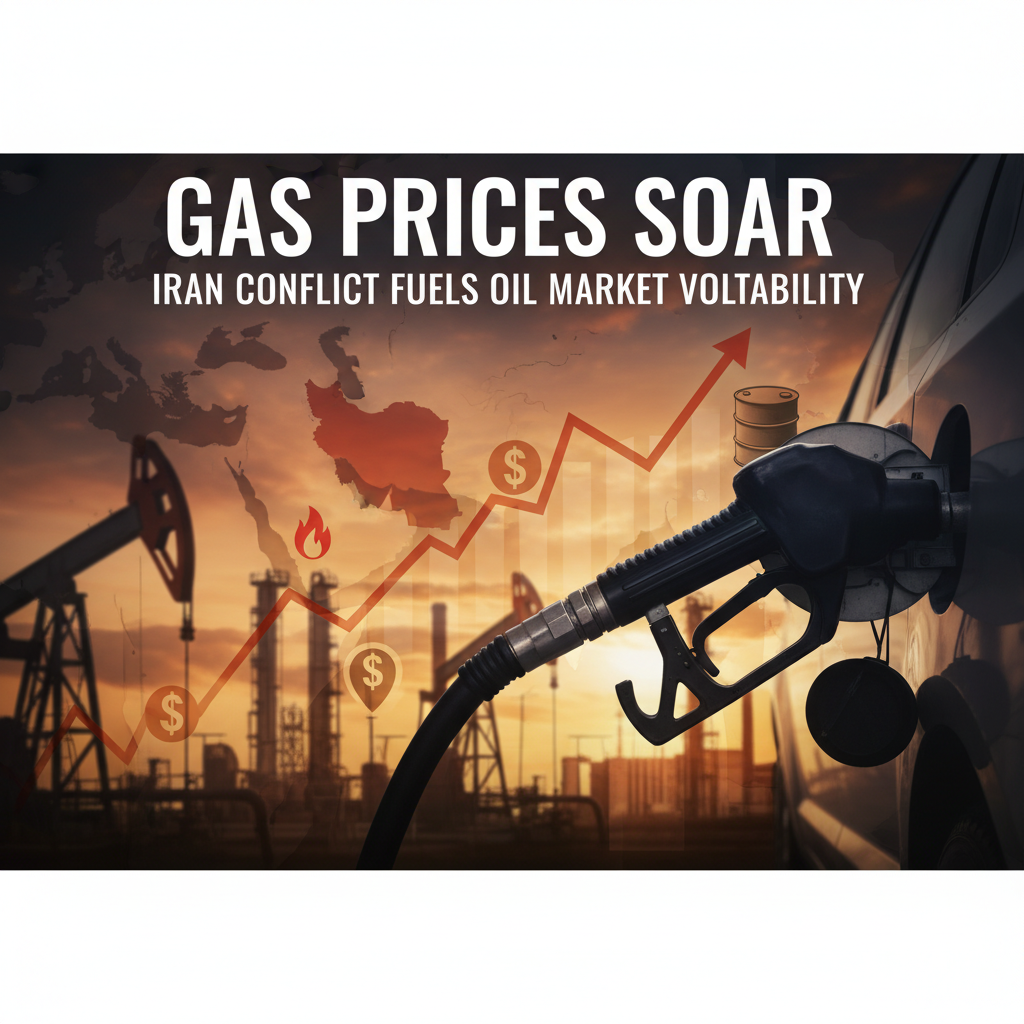
The specter of escalating conflict with Iran is sending shockwaves through global oil markets, leading to a noticeable surge in gas prices across the United States. This price hike is a direct consequence of rising tensions, which are disrupting the delicate balance of supply and demand in the energy sector.
Context: The situation stems from the ongoing geopolitical friction between Iran and other global players. As tensions escalate, the market anticipates potential disruptions to oil supplies, particularly from the Middle East, a region that produces a significant portion of the world’s crude oil. This anticipation of reduced supply is the primary driver behind the price increases.
Analysis: The impact is already being felt at the pump, with U.S. gas prices climbing. Crude oil prices have surpassed $90 a barrel, a benchmark that signals further increases for consumers. This surge not only affects household budgets but also has broader implications for the economy, potentially contributing to inflationary pressures.
Implications: The current trajectory suggests that gas prices could continue to rise if the situation with Iran deteriorates. This could lead to decreased consumer spending and increased operational costs for businesses reliant on transportation. Investors and economists are closely monitoring the situation, as the energy market’s volatility can impact various sectors.
Looking Ahead: The situation requires careful monitoring. Further escalation could exacerbate the situation, while any de-escalation could bring some relief. The U.S. and global markets are highly sensitive to these geopolitical events, making it crucial for consumers and businesses to stay informed and prepared for potential price fluctuations.
Keywords: Gas prices, Oil markets, Iran conflict, Crude oil, Energy, Economy, Global markets, U.S. gas prices, Rising tensions, Price surge.
About the Author